
Have you noticed your hair becoming thinner and wondered whether hair growth peptides could help? As regenerative medicine continues to evolve, peptides have become an area of growing interest for supporting scalp health and hair follicle function. While they are not a cure for hair loss, they may play an important role in personalized treatment plans designed to address different stages of hair thinning.
Hair growth peptides are short chains of amino acids that act as biological signaling molecules within the body. Certain peptides are being studied for their ability to support cellular communication and contribute to healthy tissue function, including the scalp and hair follicles.
Peptides for hair growth are not designed to create new hair follicles. Instead, they are used to help optimize the environment surrounding existing follicles, supporting normal biological processes involved in healthy hair growth. Depending on the patient’s diagnosis, hair growth peptide therapy may be combined with other regenerative approaches as part of a personalized hair restoration strategy.
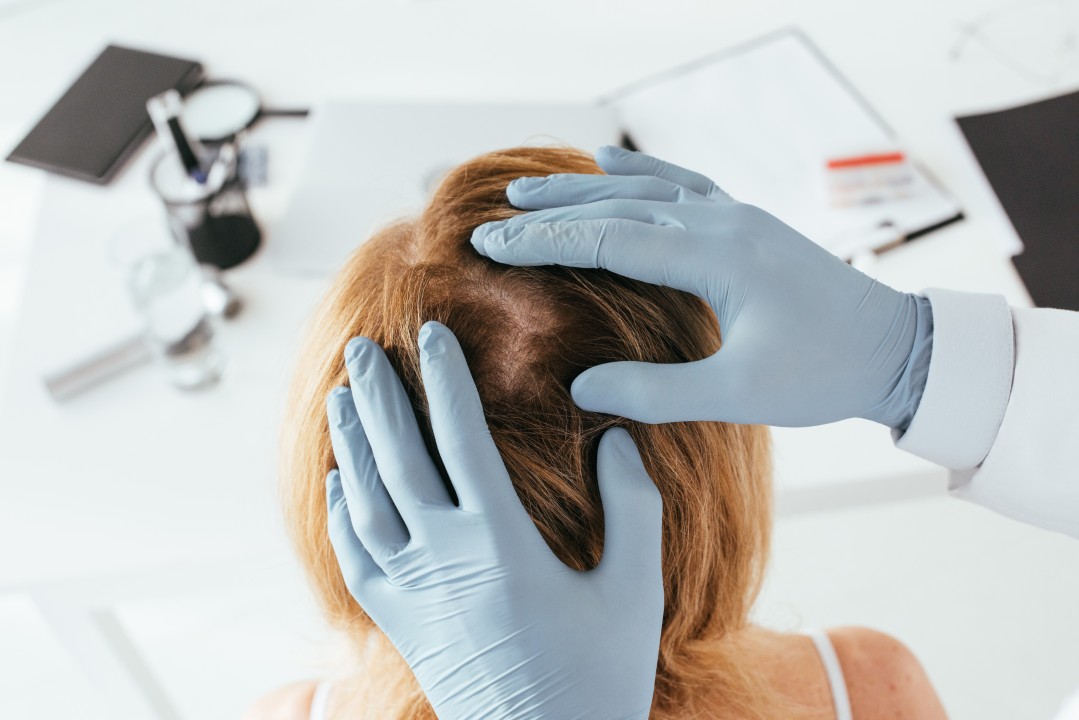
Healthy hair depends on properly functioning follicles. Certain peptides, including GHK-Cu Peptides, are being investigated for their potential role in supporting normal follicular activity through cellular signaling. This process may contribute to improved hair follicle stimulation, especially in individuals experiencing early stages of hair thinning.
The scalp provides the foundation for healthy hair growth. Some peptides may help support tissue repair and maintain a balanced scalp environment by encouraging normal cellular activity. A healthier scalp may provide favorable conditions for ongoing hair regeneration, particularly when combined with comprehensive medical care.
Rather than forcing hair to grow, peptides work by supporting the body’s natural biological functions. Their role is to encourage healthier follicle performance, which may contribute to stronger, thicker-looking hair over time when appropriate candidates receive a personalized treatment plan. Individual responses vary, and outcomes depend on factors such as the cause of hair loss, overall health, and treatment consistency.
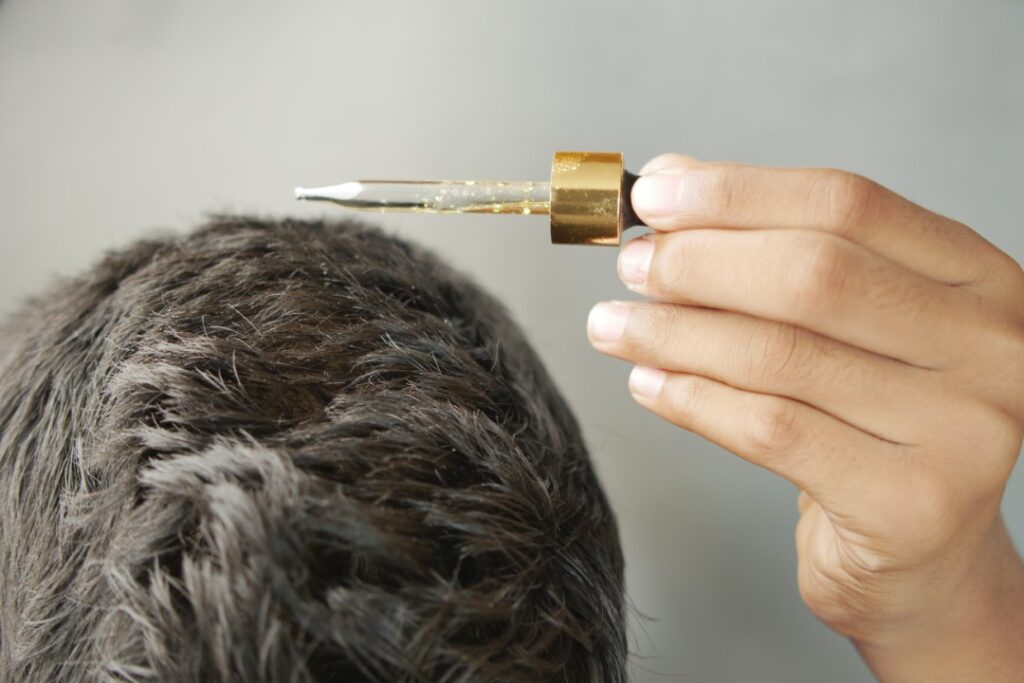
Bioactive peptides include a broader category of naturally occurring or laboratory-developed compounds that interact with specific cellular pathways. Researchers continue to evaluate how these peptides may contribute to hair regeneration as part of multimodal treatment strategies.
Among the best-known options are GHK-Cu Peptides, commonly referred to as Copper Peptides for Hair. These naturally occurring peptides bind to copper ions and have been widely studied within regenerative medicine for their involvement in tissue repair and cellular communication. Their potential role in supporting scalp health has made them a common component of hair restoration protocols.
Signal peptides help cells communicate more effectively by transmitting biological messages that regulate normal cellular functions. In hair restoration, they are being studied for their ability to support follicle activity and maintain healthy scalp tissues.
A hair transplant surgically relocates healthy follicles to areas affected by hair loss. Peptides are non-surgical and are generally considered supportive therapies intended to optimize follicle function rather than replace lost follicles. In some cases, they may be incorporated into comprehensive treatment plans before or after transplantation.

Platelet-Rich Plasma (PRP) uses the patient’s own blood-derived growth factors, while peptides deliver targeted biological signals. These therapies may complement one another rather than compete, depending on the patient’s condition.
Exosome therapy focuses on extracellular vesicles that facilitate communication between cells. Peptides, on the other hand, consist of specific amino acid sequences that influence biological pathways. Both are being studied within regenerative medicine, and each has different clinical applications.
A professional evaluation helps determine whether hair growth peptide therapy may be appropriate. Candidates are:
Individuals experiencing early hair thinning
Men with male pattern hair loss
Individuals interested in personalized regenerative treatment plans
Women with diffuse hair thinning
Patients seeking non-surgical hair restoration options
At Cancun Hair Restoration, treatment recommendations are based on each patient’s diagnosis rather than a one-size-fits-all approach. A comprehensive consultation with us allows specialists to evaluate hair density, scalp condition, and the progression of hair loss before recommending appropriate therapies.
Hair restoration often involves combining different therapies to address multiple aspects of hair health. Depending on individual needs, treatment plans may include:
PRP
Exosomes
Personalized Treatment Plans
Copper Peptides
Hair Transplant
Hair loss affects every patient differently, which is why there is no universal solution. Hair growth peptides represent one of several regenerative options that may support scalp health and healthy follicle function when incorporated into a personalized treatment plan.
The most appropriate treatment always begins with a thorough medical evaluation. By identifying the underlying cause of hair loss, specialists can recommend the combination of therapies, including peptides, PRP, exosomes, or hair transplantation, that best aligns with each patient’s needs and long-term hair restoration goals.
Copyright © 2025 Cancun Hair Restoration. All rights reserved