
Hair loss rarely happens overnight. In most cases, it begins with subtle changes that are easy to dismiss, a few extra strands on the pillow, a slightly wider part, a hairline that seems to have shifted.
Recognizing the signs of hair loss early is one of the most important steps a patient can take, because the earlier hair loss is identified, the more treatment options remain available.
This blog covers the key warning signs, the most common types of alopecia, and the point at which a hair transplant becomes the most appropriate solution.
Losing between 50 and 100 hairs per day is considered within the normal range. When that number increases consistently, or when hair does not grow back at the same rate it falls, something more significant may be happening.
The earliest warning signs include:
None of these signs individually confirms a diagnosis, but their persistence over weeks or months warrants a clinical evaluation.
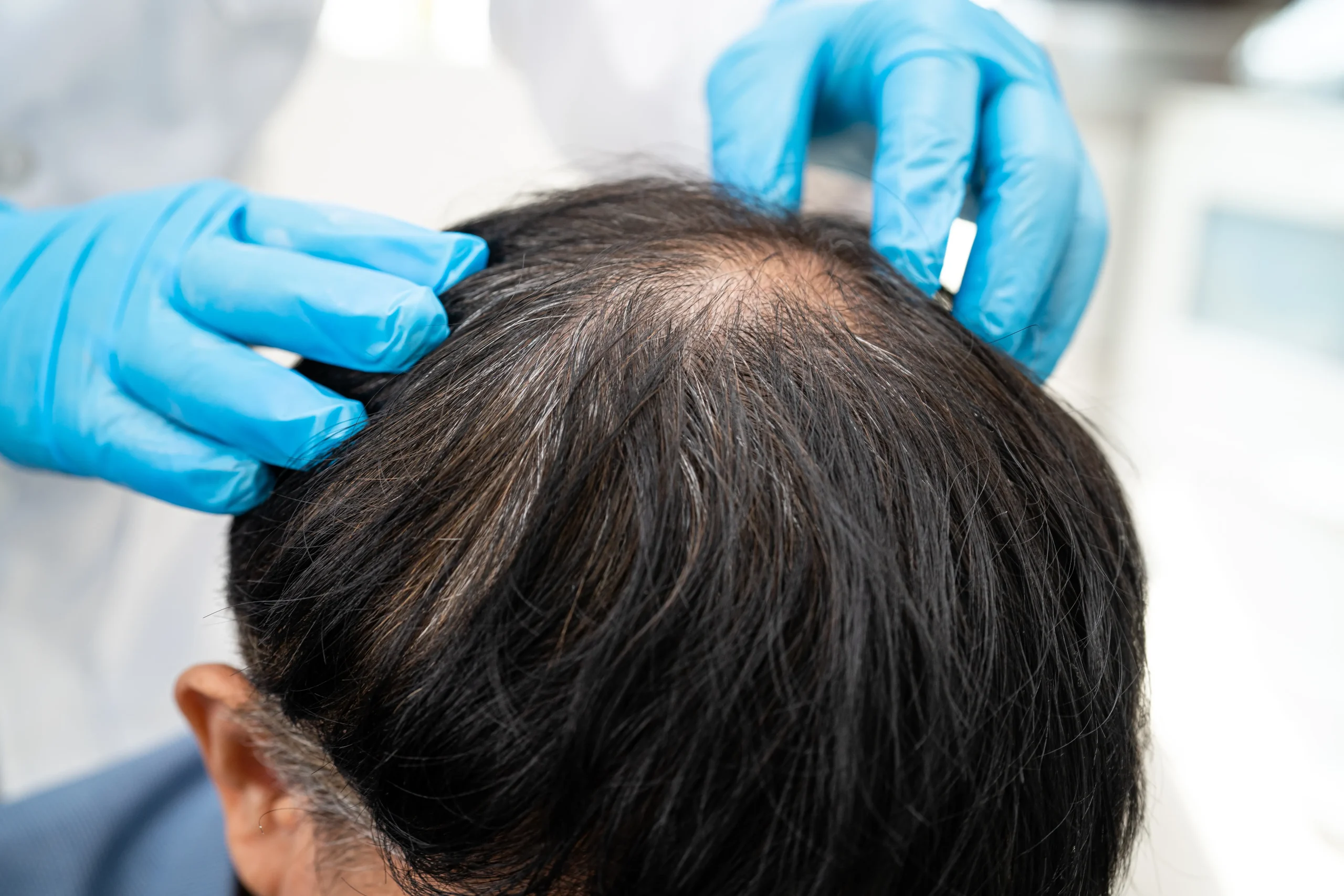
The most common form of hair loss in men, androgenetic alopecia follows a predictable progression, typically beginning with a receding hairline at the temples and thinning at the crown, eventually merging into partial or complete baldness at the top of the scalp. The early signs of hair loss in men with this condition are primarily hormonal and genetic. DHT (dihydrotestosterone) binds to susceptible follicles and gradually miniaturizes them until they stop producing hair entirely. Progression is slow but consistent, and without intervention, it does not reverse on its own.
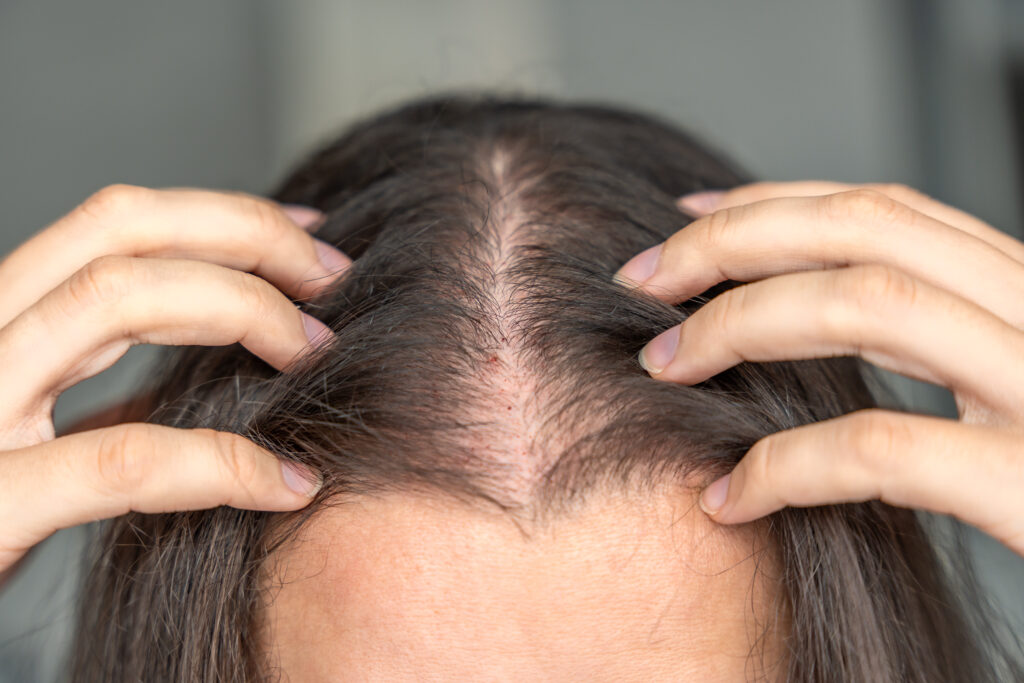
The signs of hair loss in women are often less visually dramatic than in men, which is one reason they are frequently overlooked. Women with androgenetic alopecia typically experience diffuse thinning across the top and crown of the scalp rather than a receding frontal hairline. Hormonal fluctuations, including those associated with pregnancy, postpartum recovery, menopause, and thyroid conditions, are significant contributors to female hair loss. Density loss, a widening part, and increased scalp visibility under normal lighting are the most reliable early indicators.
Telogen effluvium is a form of temporary hair loss triggered by physical or emotional stress, illness, nutritional deficiency, or hormonal shifts. It causes a large number of follicles to simultaneously enter the resting phase, leading to diffuse shedding that typically begins 2 to 4 months after the triggering event. In most cases, telogen effluvium resolves on its own within 6 to 12 months once the underlying cause is addressed. It is reversible, but it can unmask underlying androgenetic conditions that were already present.
The distinction between temporary and permanent hair loss comes down to what is happening at the follicular level. Temporary shedding leaves the follicle intact and capable of regrowth. Permanent hair loss involves a process called follicular miniaturization, the gradual shrinking of the follicle until it can no longer produce a visible hair shaft.
Signs that hair loss may be permanent rather than temporary include:
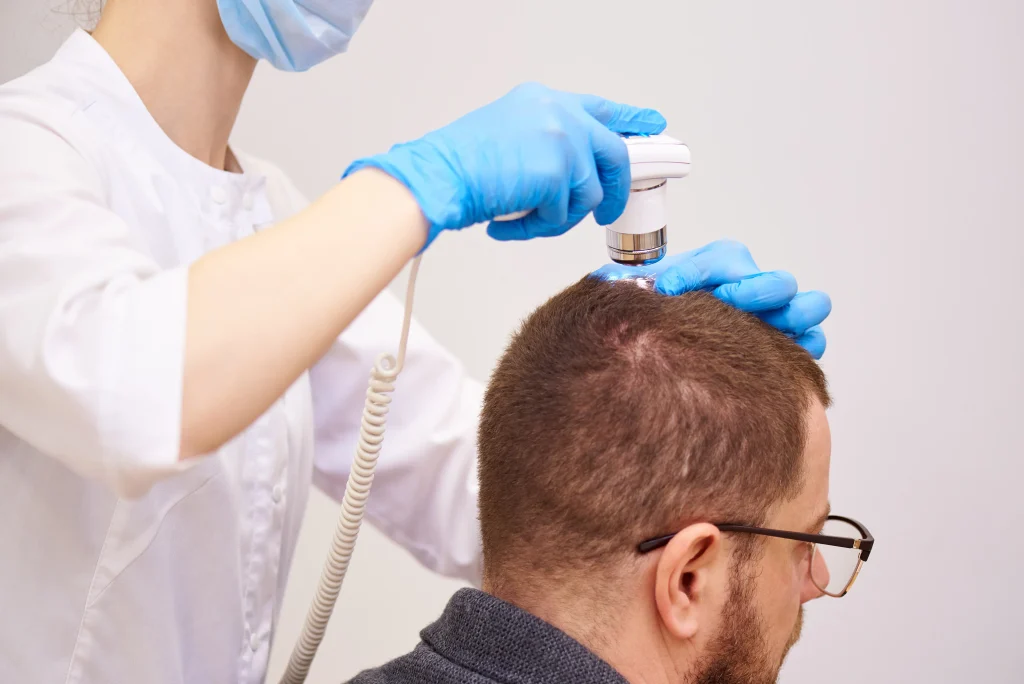
A clinical evaluation, including a trichoscopy or scalp analysis, is the most reliable way to assess whether follicular miniaturization is occurring and how advanced it is.
Signs of balding at 20 deserve particular attention. Early-onset androgenetic alopecia tends to progress more aggressively than cases that begin later in life, making prompt evaluation especially important for younger patients.
The answer depends entirely on the type and stage of hair loss involved. Telogen effluvium is reversible in most cases once the triggering cause is resolved
Early-stage androgenetic alopecia can often be slowed or stabilized with medical treatment, particularly when intervention begins before significant miniaturization has occurred
Advanced androgenetic alopecia with extensive follicular miniaturization cannot be reversed with medication alone, surgical restoration becomes the most effective option
The consistent principle across all types is this: earlier action preserves more options. Follicles that are weakening can still be treated. Follicles that have been miniaturized for years may no longer be recoverable.
a topical treatment that stimulates follicle activity and slows shedding, effective primarily for active follicles
an oral medication that reduces DHT levels, used primarily for male androgenetic alopecia
injections of concentrated growth factors derived from the patient's own blood, which stimulate dormant follicles and support scalp health
including stem cell-based protocols used as complementary treatments in advanced cases
the only treatment that permanently restores hair in areas where follicles are no longer active
A hair transplant becomes the most appropriate solution when:
The techniques available at certified clinics today, FUE, ARTAS, DHI, and FUT, each address different patient profiles and degrees of hair loss. FUE and ARTAS are preferred for patients who want minimal scarring and precise extraction. DHI offers superior density control for targeted areas. FUT maximizes graft yield in a single session for patients with advanced loss.
At Cancun Hair Restoration, every candidacy assessment begins with a thorough evaluation of the patient’s hair loss pattern, donor area density, and long-term goals, before any technique is recommended.
The single most important factor in hair loss management is acting before the condition advances beyond the point where options become limited.
Patients who address hair thinning signs in the early stages have access to the full spectrum of treatment, from non-surgical therapies that can stabilize the condition, to surgical restoration that rebuilds density with permanent, natural results.
Patients who wait until hair loss is extensive may still achieve excellent outcomes with a transplant, but the scope of the procedure is greater, the cost is higher, and the recovery is longer.
Prevention is always more efficient than correction. If you recognize the signs described in this guide, a professional evaluation is the most valuable next step you can take.
Copyright © 2025 Cancun Hair Restoration. All rights reserved