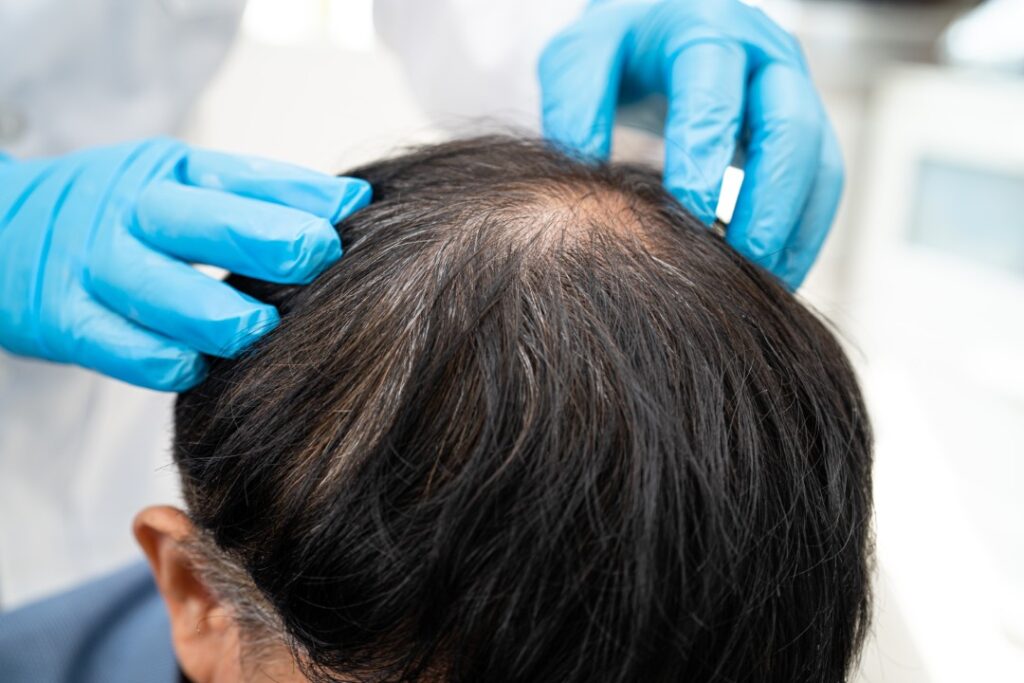
Could exosomes treatment be the next breakthrough in hair restoration? As regenerative medicine continues to evolve, more people experiencing hair thinning are exploring innovative, non-surgical options to support healthier hair growth. Among these emerging therapies, Exosome Therapy has gained attention for its potential to improve the scalp environment and encourage natural hair regeneration.
Exosomes work by supporting the body’s natural repair processes through cellular communication. While research is still ongoing, many specialists consider this approach a promising complement to modern hair restoration strategies.
Exosome Therapy is a regenerative treatment that uses microscopic extracellular vesicles called exosomes. These naturally occurring particles are released by cells and contain proteins, lipids, RNA, growth factors, and other signaling molecules that help cells communicate with one another.
In regenerative medicine, purified exosomes are applied to targeted areas to support tissue repair and improve cell signaling. When used for hair restoration, the goal is to create a healthier scalp environment that may encourage hair follicle regeneration and improve the quality of existing hair.
Rather than replacing hair follicles, exosomes help stimulate biological processes involved in tissue maintenance and repair.
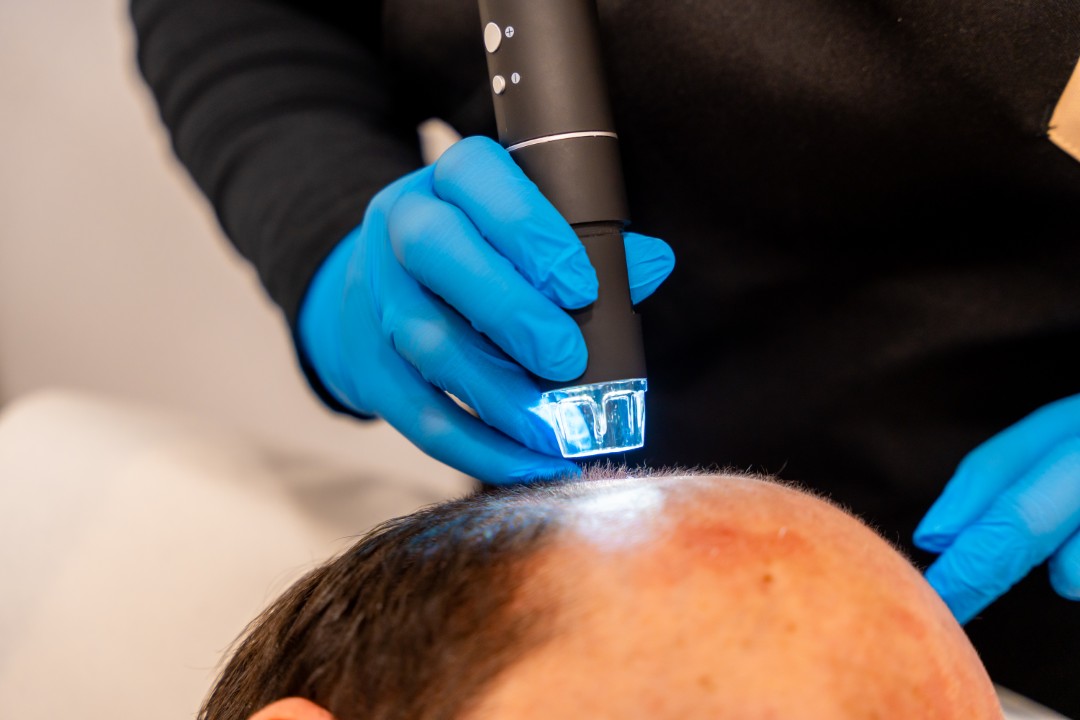
One of the primary goals of exosomes for hair loss is to support dormant or weakened hair follicles. By delivering signaling molecules and growth factors, exosomes may help encourage follicles to transition into the active growth phase of the hair cycle. Although results vary among individuals, this regenerative approach is designed to enhance the scalp’s natural ability to support hair growth.
Healthy hair depends on effective communication between scalp cells. Exosomes play an important role in cell signaling, helping cells exchange biological information that supports repair and regeneration. Improved cellular communication may contribute to a healthier scalp environment, which is essential for maintaining stronger, healthier hair.
An Exosome Hair Treatment is intended to improve overall scalp health rather than simply masking hair loss. By supporting natural regenerative processes, the therapy may help:
Improve hair density
Enhance hair quality
Support healthier follicles
Reduce the appearance of hair thinning
Because every patient responds differently, treatment outcomes should be evaluated individually by a qualified medical professional.
An exosome hair treatment may be appropriate for patients experiencing certain types of hair loss, particularly in the early stages. Common candidates are:
Individuals with early hair thinning
Men experiencing male pattern baldness
Individuals combining regenerative therapies with other hair restoration procedures
Patients seeking non-surgical treatment options
Women with diffuse hair loss
A comprehensive medical evaluation is necessary to determine whether exosomes for hair loss are suitable for each patient’s condition and goals.
Platelet-Rich Plasma (PRP) uses the patient’s own blood to obtain platelets rich in natural growth factors. Exosome Therapy differs because it delivers concentrated signaling molecules specifically involved in tissue regeneration. Both treatments aim to support scalp health, but they work through different biological mechanisms.
Copper peptides are topical or injectable compounds that support skin repair and collagen production. Exosomes, on the other hand, provide a broader range of regenerative molecules involved in cell signaling, making them a more comprehensive Hair Regeneration Treatment in certain clinical settings.
Hair transplantation physically relocates healthy follicles from a donor area to areas affected by hair loss. An Exosome Hair Treatment does not transplant new follicles. Instead, it seeks to improve the function of existing follicles and may be recommended for patients with early-stage hair loss or as a complementary therapy before or after transplant surgery.
The most appropriate treatment depends on:
The cause of hair loss
The amount of existing hair
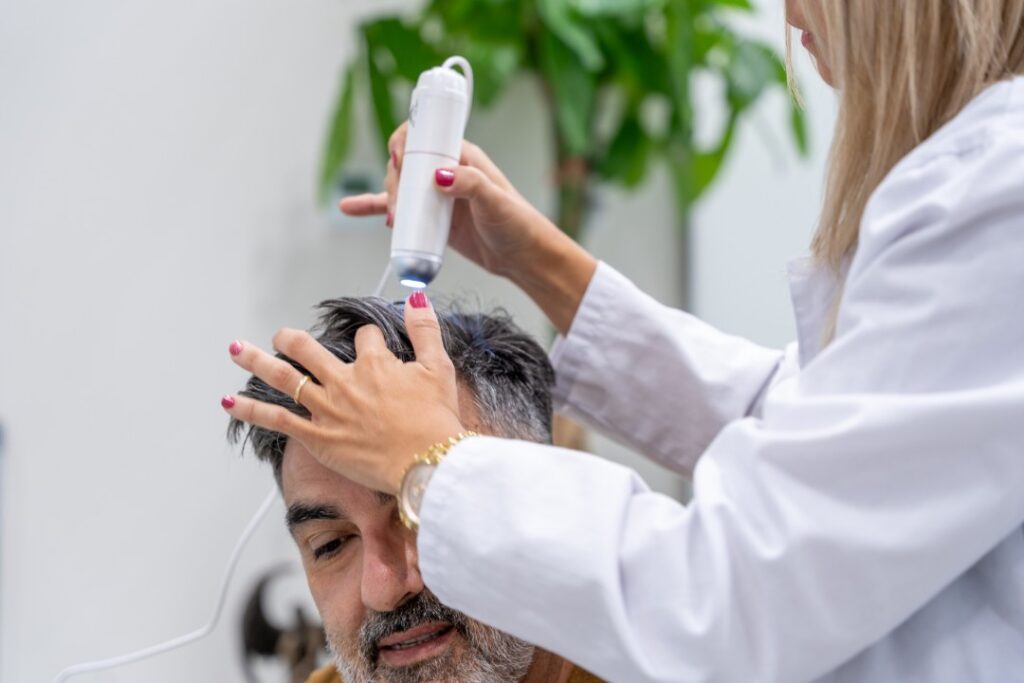
The condition of the scalp
The patient’s long-term goals
Comparar indicaciones, beneficios y cuándo suele recomendarse cada alternativa.
The results of exosome therapy vary from one patient to another. Several factors influence the outcome, including:
The underlying cause of hair loss
The health of existing hair follicles
The patient's overall health
The personalized treatment plan
Some patients may notice improvements in hair thickness, scalp quality, or reduced shedding over time. However, regenerative treatments do not produce identical results for every individual, and multiple sessions may be recommended depending on the clinical evaluation.
Regular follow-up with a qualified specialist helps monitor progress and determine whether additional therapies are appropriate.
At Cancun Hair Restoration, patients have access to advanced solutions designed to address different stages of hair loss. Every treatment begins with a personalized consultation to evaluate the scalp, identify the cause of hair loss, and recommend the most suitable approach.
Depending on the patient’s needs, treatment options may include exosome therapy, PRP, hair transplantation using advanced techniques, and other forms of Regenerative Hair Therapy. By combining modern technology with personalized care, the medical team develops treatment plans focused on long-term scalp health and natural-looking outcomes.
Personalized Hair Restoration Plans
If you’re experiencing hair thinning and looking for a modern, non-surgical approach, exosomes treatment may be worth exploring as part of a personalized hair restoration plan.
A professional consultation with us can help determine whether exosomes for hair loss are appropriate for your condition or if another Hair Regeneration Treatment would better meet your goals. Understanding your options is the first step toward healthier hair and greater confidence.
Copyright © 2025 Cancun Hair Restoration. All rights reserved