When dealing with hair loss, one of the most important decisions you’ll face is choosing the right treatment. A common debate is PRP treatment vs hair transplant — both have proven benefits, but they cater to different needs. Whether you’re in the early stages of hair loss or facing more advanced hair thinning, understanding these options is key to restoring your confidence and appearance.
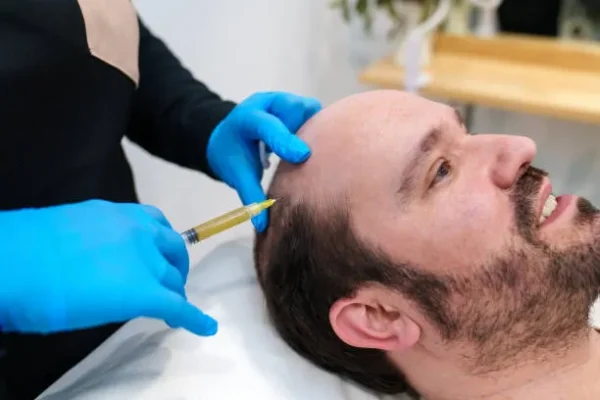
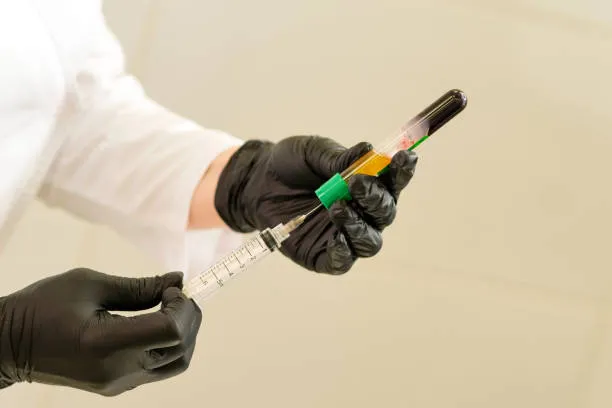
PRP, or platelet-rich plasma therapy, is a non-surgical procedure that uses your body’s own growth factors to stimulate hair growth. The process involves drawing a small amount of your blood, spinning it in a centrifuge to isolate the platelet-rich plasma, and injecting it into the areas of the scalp where hair is thinning.
PRP injections for hair loss help revitalize dormant hair follicles and improve the thickness and strength of existing hair. It’s especially effective for individuals in the early stages of hair thinning, and can be a proactive way to slow down progression.
Benefits of PRP include:

On the other hand, a hair transplant is a surgical procedure that involves relocating hair follicles from a donor area (typically the back of the scalp) to balding or thinning areas. Unlike PRP, which revitalizes existing follicles, a transplant provides permanent coverage by adding new follicles where none remain.
There are several modern techniques used in hair transplant surgery, including:
When comparing PRP treatment vs hair transplant, consider the following factors:
Feature | PRP Treatment | Hair Transplant Surgery |
Type of Procedure | Non-surgical | Surgical |
Recovery Time | Minimal | Several days to weeks |
Ideal For | Early hair thinning | Moderate to severe baldness |
Results Timeline | Gradual, over multiple sessions | Visible after 3–6 months |
Use of Donor Area | Not required | Follicles from a donor site are extracted |
Long-Term Solution | May require maintenance sessions | Permanent solution |
Some patients even choose to combine the two: using platelet-rich plasma PRP after transplant surgery to enhance healing and improve follicle survival rates.
Check out our real-life hair restoration results to see the power of both treatments in action.
Still wondering about PRP treatment vs hair transplant? Here’s when each makes the most sense:
Choose PRP if:
Choose Hair Transplant if:
At Cancun Hair Restoration, we specialize in both PRP treatments and advanced hair transplant techniques, including FUE, FUT, ARTAS, and DHI. Our experienced team will assess your needs and help you choose the right solution for your hair goals.
Ready to discover the best option between PRP treatment vs hair transplant for your unique case? Contact us today for a personalized consultation in Cancún and take the first step toward natural hair growth and lasting confidence.
Not always. PRP works better in early stages, while transplants are best for severe loss.
Not entirely. It’s an option for mild to moderate hair thinning.
Yes, it’s often recommended as a first treatment step.
No, results require ongoing maintenance sessions.
Copyright © 2025 Cancun Hair Restoration. All rights reserved