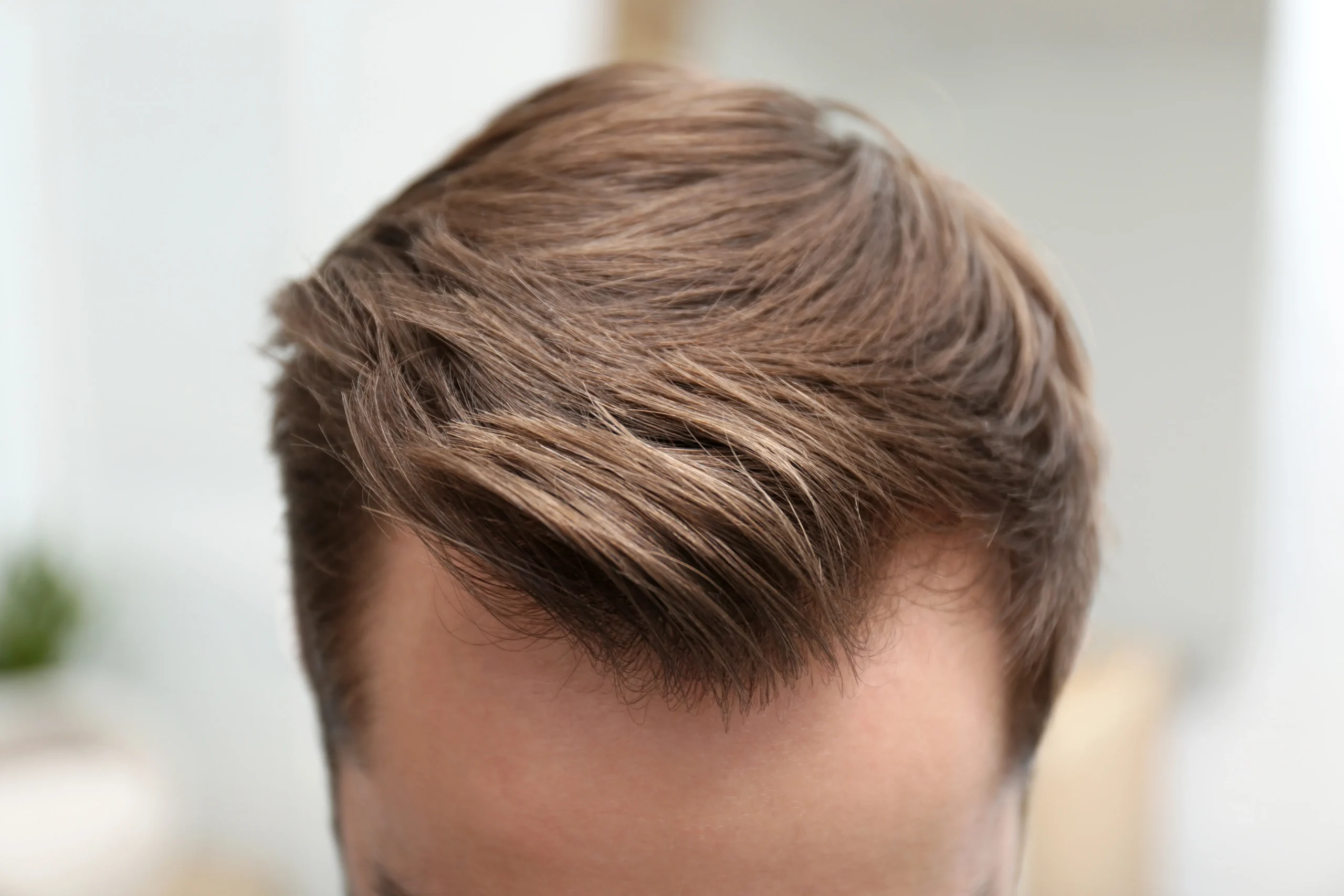
The ARTAS hair transplant system is an AI-assisted robotic platform designed to improve the precision of follicular unit extraction, the same process used in standard FUE procedures. The robot uses 3D imaging cameras and machine learning algorithms to identify, map, and extract individual hair follicles from the donor area with a level of consistency that is difficult to achieve manually over long procedures.
An important distinction: ARTAS handles extraction only. The hairline design and the implantation of grafts into the recipient area remain entirely in the hands of the surgeon. ARTAS is a precision tool yet not a replacement for surgical expertise.
The most current version of the platform, the ARTAS iX hair transplant system, incorporates updated imaging, faster processing speeds, and refined extraction mechanics compared to earlier models.
Hair restoration technology has advanced significantly over the past decade and the ARTAS robotic hair transplant system represents one of the most notable developments in the field.
But what exactly does this technology do, how does it compare to conventional methods, and is it the right choice for every patient?
Here we tell you everything you need to know before making a decision.
cameras scan the donor area and generate a digital map of follicular units, identifying the density, angle, and orientation of each graft
the algorithm identifies the most viable follicles for extraction, distributing the harvest pattern to preserve donor area density
a motorized punch tool extracts each follicular unit with programmed precision, minimizing trauma to surrounding tissue
extracted follicles are collected and prepared by the medical team for implantation
the certified surgeon designs the hairline and places each graft at the correct angle, direction, and depth
The result of this workflow is a procedure where the most mechanically repetitive and fatigue-prone step, extraction, is performed with consistent robotic precision, while the artistically complex step, implantation, remains under direct surgical control.
the system does not perform implantation, hairline design, or any artistically driven aspect of the procedure
ARTAS technology works best with dark, straight hair. Patients with light, gray, or highly curly hair may not be good candidates, as the algorithm can struggle to identify their follicular units accurately
certain scalp characteristics, hair colors, and loss patterns fall outside the system's optimal range
the technology premium is reflected in the price
the implantation phase, which determines the naturalness of the final outcome, is entirely manual
The ARTAS vs FUE hair transplant comparison is not a question of which is superior, it is a question of which is more appropriate for a given patient. Each approach has a distinct profile:
| ARTAS | Manual FUE | DHI | |
|---|---|---|---|
| Extraction precision | Robotic, highly consistent | Manual, surgeon-dependent | Manual, highly precise |
| Implantation control | Manual by surgeon | Manual by surgeon | Direct, channel-free |
| Hair type flexibility | Limited (dark, straight) | High | High |
| Density control | Standard | Standard | Superior |
| Cost | Premium | Moderate | Moderate-high |
| Best for | Consistent extraction in ideal candidates | Broad range of patients | Maximum density and precision |
No single technique is universally better. The right method depends on each patient’s specific profile.
The ideal ARTAS candidate presents the following characteristics:
Patients with light, gray, or tightly curled hair, or those with very advanced hair loss and limited donor supply, may be better served by manual FUE or DHI techniques. A pre-operative evaluation is the only reliable way to determine candidacy.
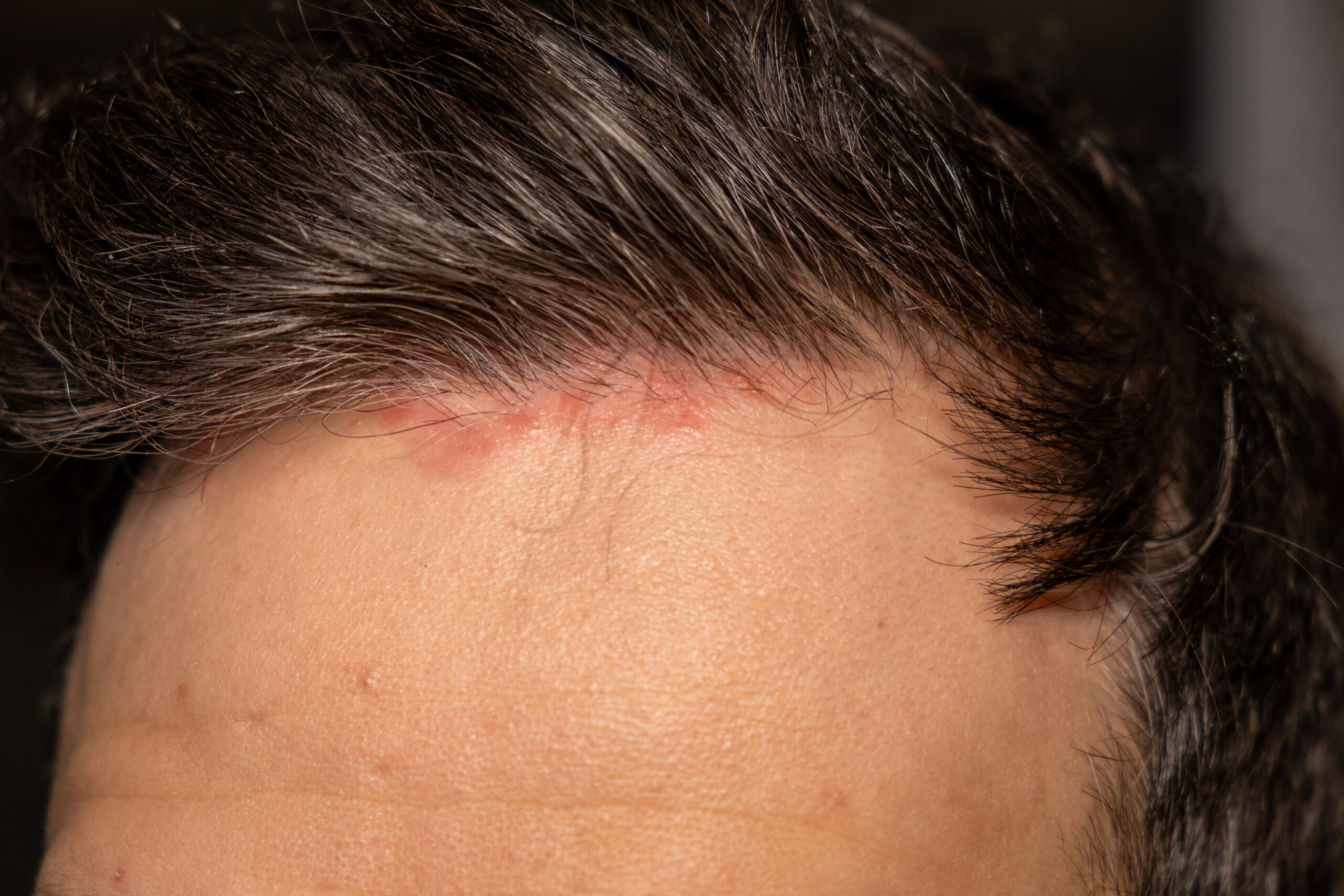
Initial shedding of transplanted hair, a normal part of the follicular adjustment process
Early regrowth begins, fine and sparse at first
Noticeable density improvement, hair continues to thicken
Full results visible, natural hairline, improved density, permanent growth established
Yes, definitely. When performed at a certified clinic under continuous physician supervision. The ARTAS system is FDA-cleared and has been used in accredited clinics internationally for over a decade. Its robotic extraction mechanism reduces the variability associated with human fatigue during long procedures, which contributes to a more controlled extraction process.
Safety, however, is ultimately a function of the clinical environment, not the technology alone. Choosing a clinic with certified surgeons, proper sterilization protocols, and structured post-operative follow-up is what determines whether the procedure is genuinely safe.
Copyright © 2025 Cancun Hair Restoration. All rights reserved