
PRP after hair transplant surgery is a topic that comes up frequently during post-operative consultations, and for good reason. Some specialists include platelet-rich plasma as part of the follow-up plan for select patients, while others do not consider it necessary in every case. Whether it belongs in your recovery protocol depends on your individual situation, the technique used, and what your medical team observes during the healing process.
This blog explains what PRP involves in the context of post-transplant care, what questions to ask, and how Cancun Hair Restoration approaches the decision.
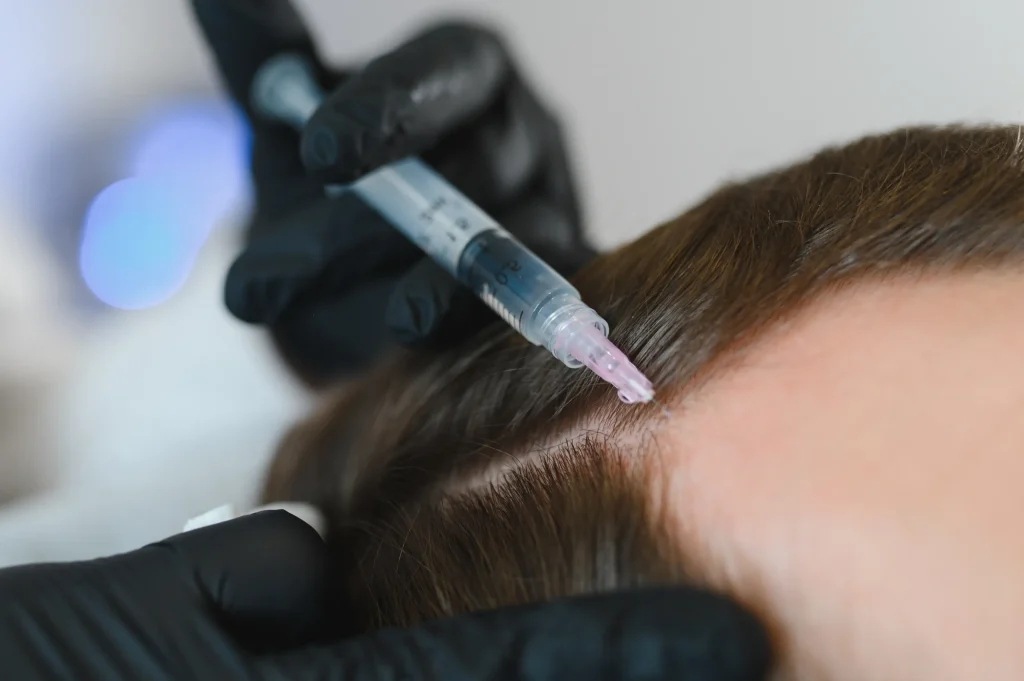
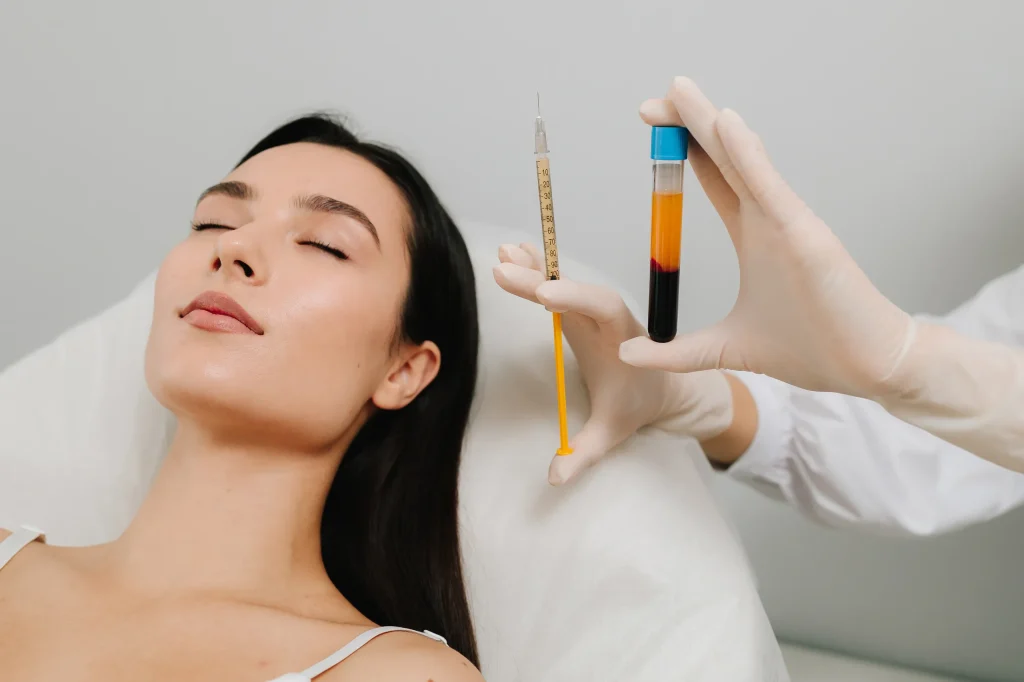
Platelet-rich plasma is prepared from a small sample of the patient’s own blood, which is processed by centrifugation to concentrate the platelets and the growth factors they contain. The resulting plasma is then injected directly into the scalp.
PRP is used because of the growth factors it delivers, including VEGF, PDGF, and IGF-1, which are associated with tissue repair, blood vessel formation, and follicle activity. The rationale for including it after surgery is that these signals may support the scalp environment during a period when hair grafts are establishing themselves and the tissue around them is healing.
It is an autologous treatment, meaning it comes entirely from the patient’s own biology, which limits the risk of allergic reaction and makes it compatible with most post-surgical protocols.
Specialists who include platelet-rich plasma after hair transplant in their protocols typically do so with one or more of the following objectives in mind:
PRP is a complementary treatment, not a corrective one. It does not compensate for poor surgical technique, and it does not guarantee a specific density or growth timeline. Its role, when indicated, is to support a process that is already underway.
There is no universal timeline that applies to every patient. The appropriate moment for PRP following hair transplant surgery depends on how the scalp is healing, which technique was used, and what the specialist observes during follow-up appointments.
Some protocols introduce PRP in the weeks following surgery , once the initial healing phase has progressed sufficiently. Others incorporate it at a later stage , when the focus shifts from graft survival to stimulating active growth in the recipient area. In some cases, a specialist may recommend waiting several months before evaluating whether PRP adds meaningful value to the treatment plan.
PRP after FUE hair transplant recovery may be timed differently from PRP following FUT, where the donor area involves a larger wound that requires its own healing timeline. The same applies to DHI and ARTAS procedures, which have their own post-operative characteristics. The timing is a clinical decision, not a calendar one. A scalp evaluation at the appropriate stage of recovery is what informs it.
No. PRP is an option that may be appropriate for some patients and not indicated for others. Factors that influence whether a specialist might consider it include:
If PRP comes up as a recommendation during your post-operative care, these questions can help you evaluate whether it is the right addition to your plan:
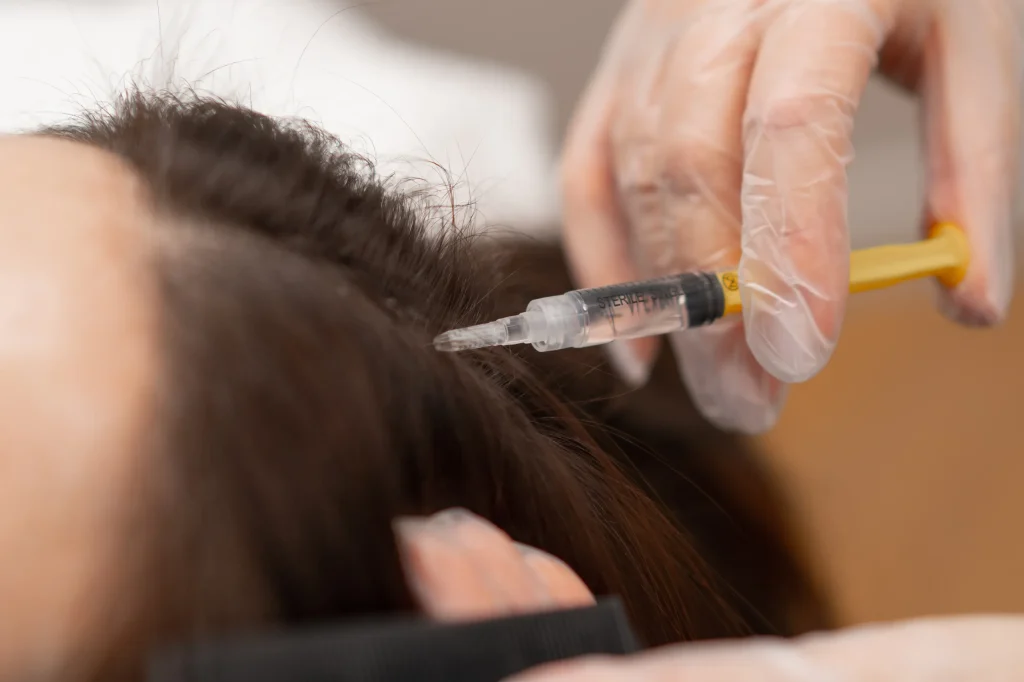
At Cancun Hair Restoration, PRP therapy is offered as part of a personalized post-operative follow-up protocol for patients whose evaluation indicates it may be a useful complement to their recovery. The decision is made by the medical team based on each patient’s progress, not as a default addition to every treatment plan.
Copyright © 2025 Cancun Hair Restoration. All rights reserved