
Thin, uneven, or nearly absent eyebrows affect far more people than most realize. Whether the cause is years of over-plucking, a medical condition, scarring, or simply genetics, the impact on facial harmony and self-confidence is real. makeup and microblading offer temporary relief, but neither addresses the root of the problem.an eyebrow hair transplant is the only procedure that restores natural brow hair permanently, using your own follicles to rebuild shape, density, and definition that looks and grows like your original eyebrows.
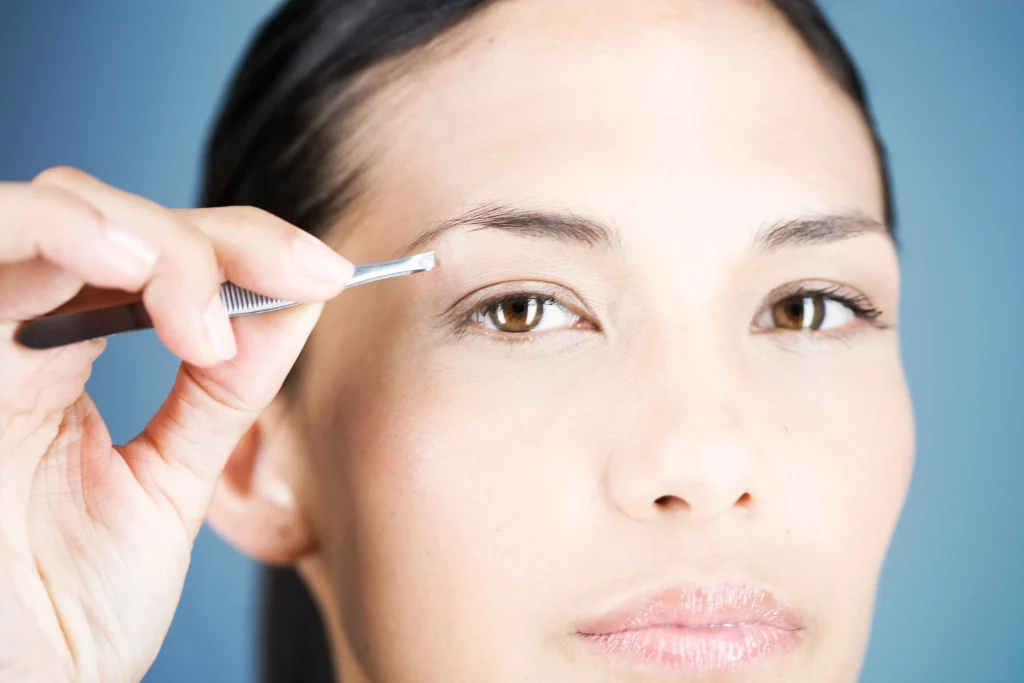
An eyebrow transplant is a surgical procedure in which individual hair follicles are extracted from a donor area (typically behind the ears or from the nape of the neck) and implanted into the brow region with precise control over angle, direction, and depth.
The technique most commonly used for this procedure is FUE (Follicular Unit Extraction), which leaves no visible linear scarring and allows for the level of detail that brow shape restoration requires. Each follicle is placed individually to replicate the natural growth pattern of eyebrow hair, which grows at a very specific angle and follows a defined directional flow.
The procedure is performed under local anesthesia and typically takes between 2 and 4 hours, depending on the extent of restoration needed.
Eyebrow restoration is appropriate for patients who experience:
The ideal candidate has a stable donor area with sufficient follicle density and realistic expectations about the gradual nature of the results.
Microblading, eyebrow pencils, powders, and tinting are the most widely used options for patients with thin or absent brows. These solutions offer immediate visual results and are non-invasive, which makes them accessible and low-commitment. Their shared limitation is that none of them are permanent. Microblading typically lasts between 1 and 3 years before requiring touch-ups, and its results can fade unevenly depending on skin type, sun exposure, and aftercare. Cosmetic products, by definition, require daily application and provide no lasting change.
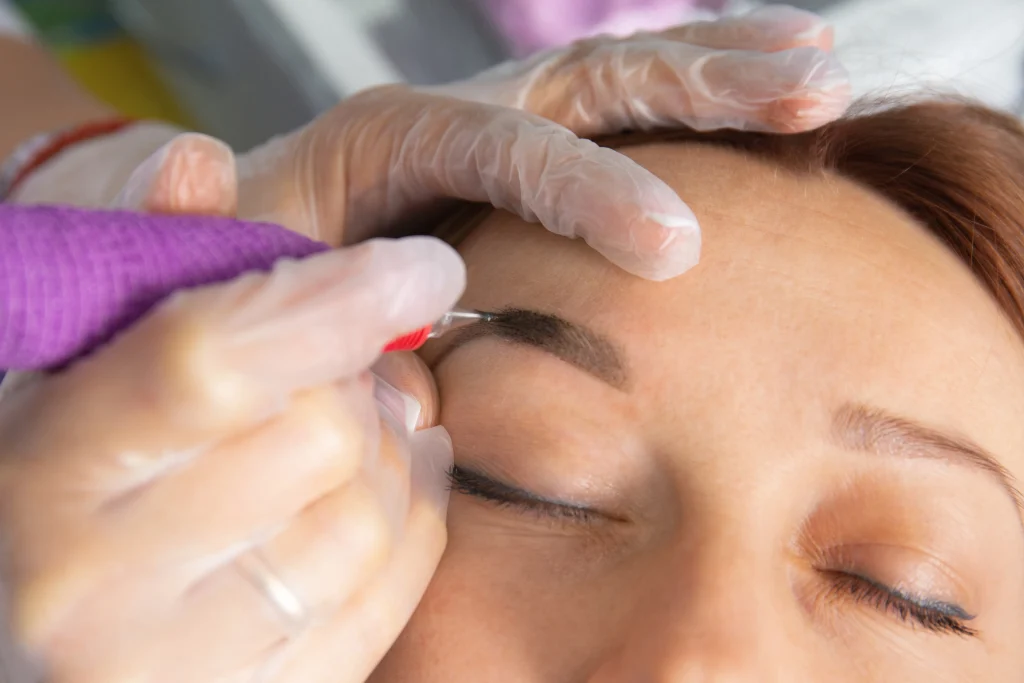
Eyebrow hair restoration through transplant surgery produces results that are genuinely permanent. Once transplanted follicles establish themselves in the brow area (a process that takes several months), they grow continuously, just like natural eyebrow hair. The key distinction is that transplanted follicles are living tissue. They respond to the same biological signals as the surrounding hair, grow in the same direction they were implanted, and remain in place indefinitely without the need for repeated procedures or daily maintenance.
Results develop gradually and follow a predictable timeline:
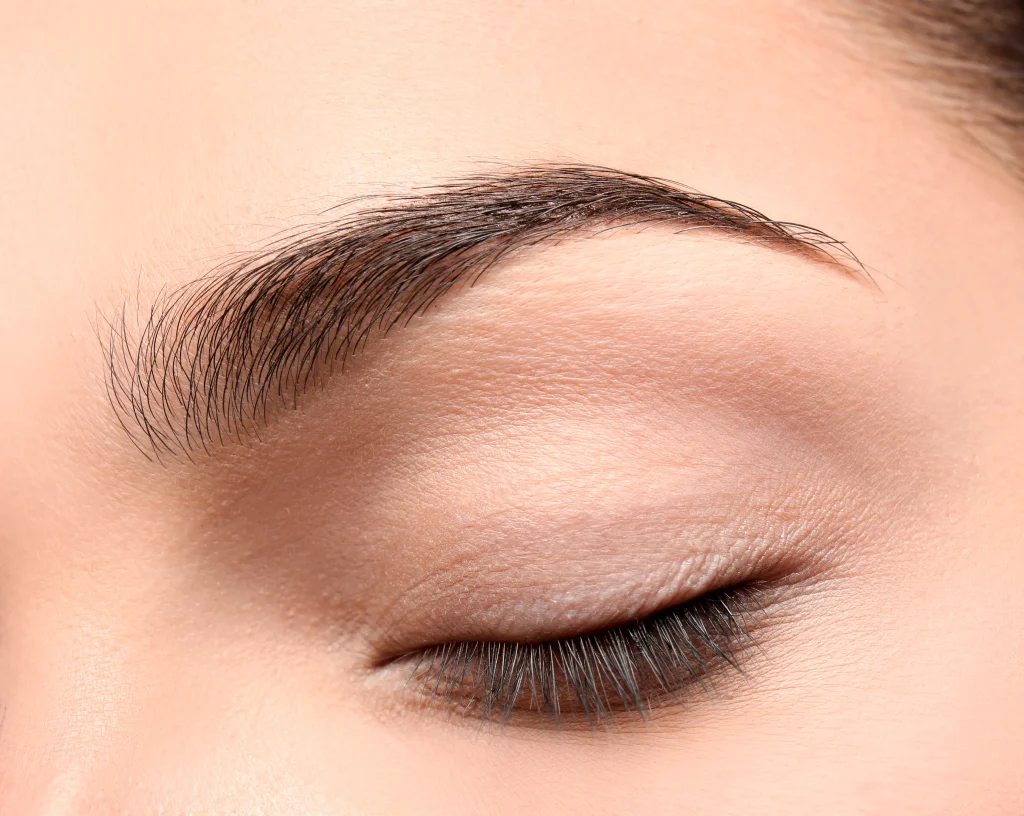
When performed by a certified specialist with experience in facial hair restoration, the results of an eyebrow transplant procedure are indistinguishable from natural brows. The naturalness of the outcome depends on three factors:
Natural-looking brows are not the result of technology alone. They are the product of surgical precision combined with an understanding of facial aesthetics.
The immediate post-operative period requires attentive care to protect the newly implanted grafts:
One characteristic of transplanted eyebrow hair that patients should be aware of is that it retains the growth rate of scalp hair, meaning it will grow faster than natural eyebrow hair and will require periodic trimming to maintain the desired shape. This is a manageable and expected aspect of the result, not a complication. Beyond trimming, long-term care is minimal. The transplanted follicles do not require special products or ongoing medical treatment to maintain their results.
An eyebrow transplant in Cancun at Cancun Hair Restoration combines surgical precision with the logistical advantages of one of Mexico's leading medical tourism destinations. What CHR offers for eyebrow restoration:
Copyright © 2025 Cancun Hair Restoration. All rights reserved