
Have you ever wondered whether stem cell therapy for hair loss could help address hair thinning before it becomes more noticeable? Advances in regenerative medicine have expanded the range of options available for people experiencing different forms of hair loss. Among the most promising areas of research are Mesenchymal Stem Cells (MSCs), which are currently being studied for their potential to support healthier hair follicles and improve the scalp environment.
Although research continues to evolve, stem cell-based approaches are becoming part of personalized treatment plans for selected patients.
Stem cell therapy for hair loss refers to regenerative approaches that use the biological properties of Mesenchymal Stem Cells (MSCs) to support scalp and hair follicle health. MSCs are adult stem cells that are being studied because they can release signaling molecules capable of influencing tissue repair and cellular communication.
Within regenerative medicine, the goal of a stem cell hair treatment is not simply to replace lost hair but to create conditions that may support healthier follicles. Researchers continue to investigate how these cells interact with the scalp and whether they may contribute to hair follicle regeneration in certain patients.
It is important to understand that not every type of hair loss responds in the same way, which is why professional evaluation remains essential before recommending any hair loss treatment.
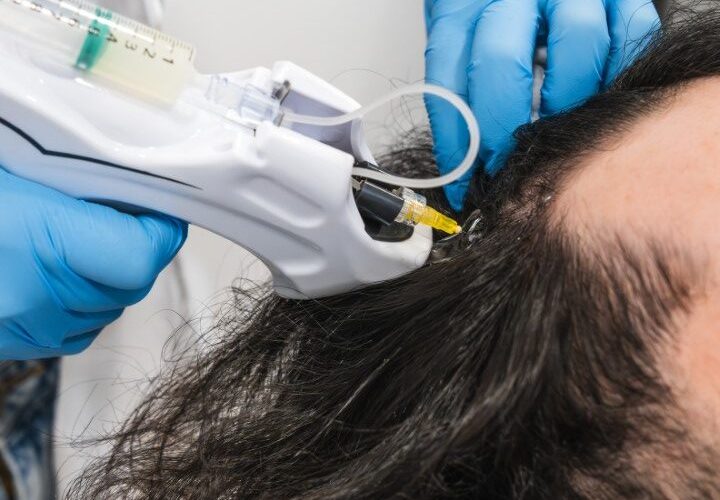
Hair follicles depend on a healthy biological environment to function properly. MSC-based therapies are being studied because they may release growth factors and signaling molecules that help support tissue repair and cellular communication around existing follicles.
Rather than creating new follicles, current research focuses on how these therapies may contribute to hair follicle regeneration by improving the environment surrounding weakened follicles.
One objective of stem cells for hair growth is to encourage normal follicle activity in suitable candidates. Researchers are evaluating whether regenerative signaling may help extend the natural growth phase of the hair cycle in some individuals experiencing hair thinning or early-stage hair loss.
While results vary from patient to patient, this form of hair regeneration therapy is designed to work with the body’s natural biological processes instead of masking the problem.
Every patient has unique needs. Before recommending a hair stem cell treatment, specialists perform a comprehensive evaluation that may include:
Medical history
Hair loss pattern
Scalp examination
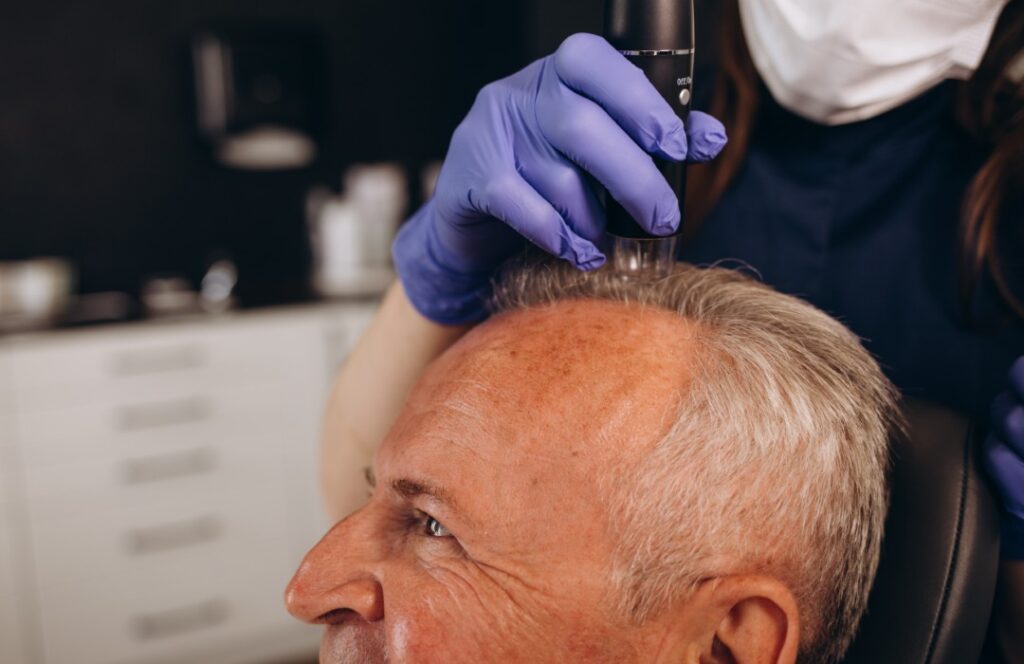
Hair follicle condition
Previous treatments
Overall health
At Cancun Hair Restoration, every patient receives an individualized evaluation before any treatment recommendation is made. The clinic offers advanced diagnostic methods and modern hair loss treatment options designed around each person’s goals, medical history, and stage of hair loss.
Our team understands that successful hair restoration often requires combining clinical expertise with evidence-based regenerative therapies. When appropriate, stem cell-based treatments may become part of a personalized strategy alongside other advanced procedures available at the clinic
Although candidacy varies, a stem cell hair treatment may be considered for patients such as:
Individuals experiencing early hair thinning
Men with male pattern hair loss
Individuals combining regenerative therapies with other hair restoration procedures
Women with certain types of female hair loss
Patients interested in regenerative medicine approaches
Platelet-Rich Plasma (PRP) uses the patient’s own blood platelets to deliver growth factors that support scalp health. Stem cell therapy focuses on regenerative cellular signaling through Mesenchymal Stem Cells. Depending on the diagnosis, some patients may benefit more from PRP, while others may be candidates for stem cell-based approaches or a combination of therapies.
Exosome therapy uses extracellular vesicles that facilitate communication between cells. Stem cell therapy and exosome therapy are both being studied within regenerative medicine, but they work through different biological mechanisms. A specialist determines which option may better match the patient’s condition.
Hair transplantation physically relocates healthy follicles from one area of the scalp to another. Procedures such as FUE or ARTAS are generally recommended when permanent follicle loss has occurred. By comparison, stem cell therapy for hair loss is typically explored as a regenerative option for patients who still have functioning follicles that may benefit from biological support.
Stem cell therapy represents only one component of modern hair restoration. Depending on your diagnosis, your specialist may recommend other treatments, including:
PRP Therapy
Exosome Therapy

Copper Peptides
FUE Hair Transplant
The combination of different approaches may provide a more comprehensive treatment strategy when clinically appropriate.
If you are experiencing hair thinning or looking for advanced solutions supported by regenerative medicine, a professional consultation is the first step. At Cancun Hair Restoration, specialists evaluate every patient individually to determine whether stem cell therapy for hair loss, PRP, exosomes, or hair transplantation may be the most appropriate option.
Our personalized diagnosis allows you to understand the cause of your hair loss and explore treatment options based on your specific needs, helping you make informed decisions about your long-term hair restoration plan.
Copyright © 2025 Cancun Hair Restoration. All rights reserved