
Hair loss affects millions of people worldwide and can deeply impact self-esteem, social confidence, and overall quality of life. Fortunately, advancements in regenerative medicine have opened the door to innovative, non-surgical treatments that can help restore hair naturally and effectively. Two of the most talked-about procedures today are Stem Cell Therapy and PRP (Platelet-Rich Plasma). Although both promote natural hair regrowth and are minimally invasive, they differ in their mechanisms, suitability, and long-term results. In this comprehensive guide, we’ll explore how each treatment works, their key differences, who they’re best for, and whether a combination of both might offer the ultimate solution with Stem Cell Therapy vs PRP.
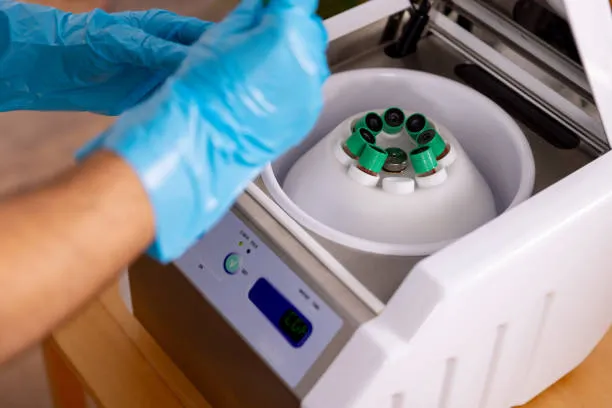
Platelet-Rich Plasma (PRP) therapy is a non-surgical treatment that uses components of your own blood to stimulate hair regrowth. During the procedure, a small sample of blood is drawn from your arm and processed in a centrifuge to separate the platelet-rich plasma. This plasma is rich in growth factors that are injected directly into areas of thinning hair or bald patches.
PRP is often recommended for individuals in the early stages of androgenetic alopecia (male or female pattern baldness) or for patients who want to strengthen weak follicles before they stop producing hair altogether.
Stem Cell Therapy for hair restoration is a cutting-edge regenerative treatment designed to not just reactivate existing follicles, but also create new ones. In this process, stem cells are harvested from the patient’s own body—typically from fat tissue through a minimally invasive liposuction procedure. These adipose-derived stem cells are then processed and injected into the scalp.
Stem Cell Therapy offers a promising solution for those who may not respond well to PRP or who are looking for a more comprehensive and long-term approach to restoring hair.
Understanding these differences helps patients make a more informed decision based on their specific condition and hair restoration goals.
A consultation with a hair restoration specialist is key to determining your eligibility for either procedure. They will assess your scalp, medical history, and expectations to develop the right treatment plan.
Yes, in many cases, combining both treatments can produce even better outcomes. PRP works immediately to stimulate existing follicles, while stem cells rebuild the scalp’s regenerative environment over time. This dual approach can be ideal for individuals with mixed hair loss patterns, thinning and balding areas, or those seeking maximum density and quicker recovery.
The treatments are typically performed on the same day or scheduled closely together, depending on the patient’s goals and the clinic’s protocol.

Both PRP and Stem Cell Therapy are minimally invasive, and most patients can return to their normal activities within a few hours. You may experience mild redness, swelling, or tenderness at the injection sites for 1–2 days.
Multiple sessions may be recommended, particularly for PRP. Stem Cell Therapy, due to its potency, may require fewer treatments over time.
Both Stem Cell Therapy and PRP represent powerful tools in the battle against hair loss. Whether you’re just starting to notice thinning or have been struggling with hair loss for years, these treatments offer safe, natural alternatives to surgery or medications.
Ultimately, the best choice depends on your unique hair loss pattern, scalp condition, and desired results. For some, PRP alone may be sufficient. For others, especially those with more advanced thinning, Stem Cell Therapy—or a combination of both—might offer the best long-term solution.
Still not sure which option is right for you? Our team at Cancun Hair Restoration is here to guide you every step of the way. Take the first step toward fuller, healthier hair with Stem Cell Therapy vs PRP.
Copyright © 2025 Cancun Hair Restoration. All rights reserved