
Postpartum Hair Loss: When Should You Worry?
Losing large amounts of hair after having a baby is one of the most common experiences for new mothers, yet it remains underdiscussed. For many women, it happens suddenly and unexpectedly, and the volume of shedding can be alarming. The good news is that, in most cases, postpartum hair loss is temporary. The important question is: when does it stop being a normal part of recovery and start being something that requires medical attention?
What Is Postpartum Hair Loss?
Hair loss after pregnancy, clinically known as telogen effluvium postpartum, is a condition in which a large number of hair follicles simultaneously enter the resting phase of the hair growth cycle, triggering a surge of shedding weeks later.
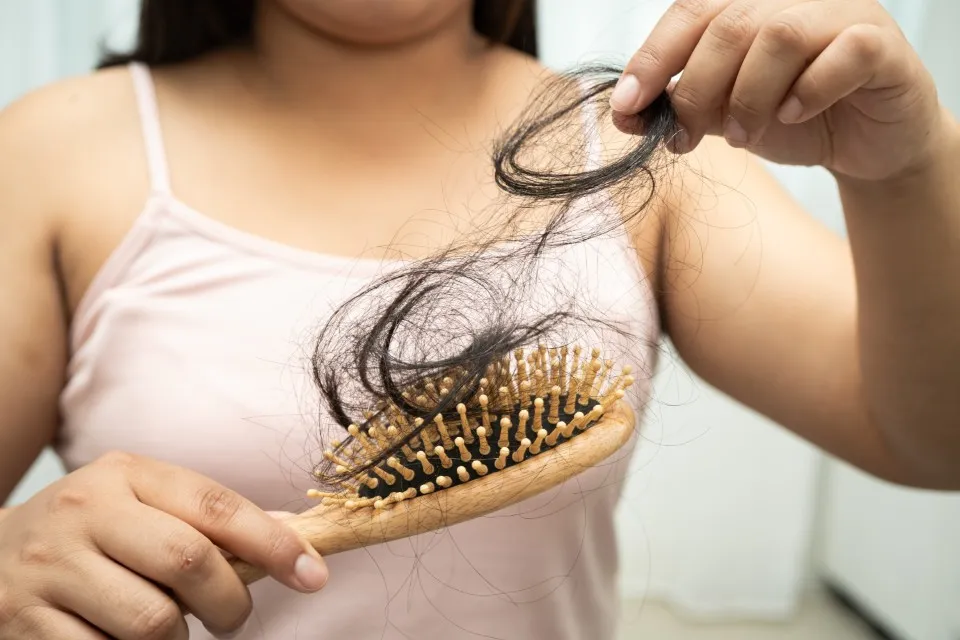
During pregnancy, elevated estrogen levels extend the active growth phase of the hair cycle, which is why many women notice thicker, fuller hair while pregnant. After childbirth, estrogen levels drop sharply, and those follicles that were held in the growth phase are released together, producing the noticeable hair shedding after giving birth that most new mothers experience.
This is not hair falling out due to damage. It is the body recalibrating after a major hormonal shift.
When Does Postpartum Hair Loss Start?
The timeline is fairly predictable. Shedding typically begins 2 to 4 months after delivery, peaks around month 4 to 5, and gradually resolves as hormone levels stabilize.
Postpartum alopecia in women follows a general pattern:
Months 1–2
Little to no visible change
Months 3–4
Noticeable increase in daily shedding
Month 5
Shedding typically peaks
Months 6–12
Gradual reduction and recovery of normal density
How Long Does Postpartum Hair Loss Last?
For most women, postpartum hair loss resolves within 6 to 12 months after giving birth, with hair returning to its pre-pregnancy thickness as hormone levels normalize.
Hair loss during breastfeeding may extend the shedding period slightly, since hormonal fluctuations continue throughout the nursing phase.
This does not mean breastfeeding causes permanent hair loss, it simply means the hormonal timeline is longer for some women.
When Should You Be Concerned?
Female hair loss after having a baby is normal within the parameters described above. However, there are specific signs that warrant a consultation with a specialist:
- Shedding that continues beyond 12 months without improvement
- Hair that does not return to its previous density after the shedding phase ends
- Patchy or localized hair loss, rather than diffuse shedding across the scalp
- A family history of female pattern hair loss (androgenetic alopecia)
- Hair loss accompanied by fatigue, weight changes, or irregular cycles, which may indicate a thyroid or hormonal condition

For typical telogen effluvium postpartum, no medical treatment is required, the condition resolves on its own. However, several supportive approaches can help manage the experience and accelerate recovery:
Balanced nutrition
Adequate protein, iron, zinc, and biotin support follicle health during recovery
Gentle hair care
Avoiding heat styling, tight hairstyles, and harsh chemical treatments reduces additional stress on fragile hair
Volumizing shampoos and conditioners
Improve the appearance of density during the shedding phase
Stress management
Chronic stress can prolong telogen effluvium independently of hormonal factors
PRP for Postpartum Hair Loss
For women whose hair does not recover fully, or who present with an underlying hair loss condition revealed by the postpartum episode, PRP (Platelet-Rich Plasma) therapy is one of the most effective non-surgical interventions available. PRP involves injecting concentrated growth factors derived from the patient’s own blood directly into the scalp, stimulating dormant follicles and accelerating the return to the active growth phase.
PRP for postpartum hair loss is particularly well-suited for women who are not candidates for surgical procedures but need targeted clinical support beyond lifestyle management.
When a Specialist Evaluation Makes the Difference
If your hair has not recovered to its normal density within 12 months of delivery, or if you notice the signs described above, a clinical evaluation is the most important next step.
A certified hair restoration specialist can determine whether you are experiencing a delayed recovery from telogen effluvium, an underlying androgenetic condition, or another treatable form of hair loss, and recommend the appropriate course of action based on your specific case.
Cancun Hair Restoration: Specialized Care for Women's Hair Loss
At Cancun Hair Restoration, the medical team evaluates each patient individually, including women experiencing prolonged or complicated postpartum hair loss. From PRP therapy to advanced non-surgical treatments and, when indicated, surgical restoration, every treatment plan is built around the patient’s clinical profile and long-term goals.
If you are concerned about your hair loss after pregnancy, do not wait for it to resolve on its own indefinitely. A professional evaluation provides clarity and, when needed, a clear path to recovery.
Contact Cancun Hair Restoration today and schedule a personalized consultation.