
Stem Cell Therapy vs PRP

Test tubes filled with formulas for hair restoration, illustrating modern and effective treatments compared in Stem Cell Therapy vs PRP.

Stem Cell Therapy vs PRP: Discover the Best Hair Restoration Option

Hair loss affects millions of people worldwide and can deeply impact self-esteem, social confidence, and overall quality of life. Fortunately, advancements in regenerative medicine have opened the door to innovative, non-surgical treatments that can help restore hair naturally and effectively. Two of the most talked-about procedures today are Stem Cell Therapy and PRP (Platelet-Rich Plasma). Although both promote natural hair regrowth and are minimally invasive, they differ in their mechanisms, suitability, and long-term results. In this comprehensive guide, we’ll explore how each treatment works, their key differences, who they’re best for, and whether a combination of both might offer the ultimate solution with Stem Cell Therapy vs PRP.

Understanding PRP Therapy for Hair Loss

Platelet-Rich Plasma (PRP) therapy is a non-surgical treatment that uses components of your own blood to stimulate hair regrowth. During the procedure, a small sample of blood is drawn from your arm and processed in a centrifuge to separate the platelet-rich plasma. This plasma is rich in growth factors that are injected directly into areas of thinning hair or bald patches.

How PRP Works:

  • Enhances blood supply to the hair follicle

  • Triggers natural hair growth and prolongs the growing phase

  • Revitalizes dormant or weak hair follicles

Key Benefits of PRP:

  • Non-surgical and outpatient procedure

  • Uses your own biological material, reducing risk of allergic reaction

  • Ideal for early-stage hair loss or thinning

  • Minimal downtime and side effects

  • Can be repeated as needed for maintenance

PRP is often recommended for individuals in the early stages of androgenetic alopecia (male or female pattern baldness) or for patients who want to strengthen weak follicles before they stop producing hair altogether.

What Is Stem Cell Therapy for Hair Restoration?

Stem Cell Therapy for hair restoration is a cutting-edge regenerative treatment designed to not just reactivate existing follicles, but also create new ones. In this process, stem cells are harvested from the patient’s own body—typically from fat tissue through a minimally invasive liposuction procedure. These adipose-derived stem cells are then processed and injected into the scalp.

How Stem Cell Therapy Works:

  • Regenerates damaged or inactive hair follicles

  • Stimulates the formation of new follicles

  • Improves the health of the scalp and surrounding tissues

  • Supports long-term restoration and density improvement

Key Benefits of Stem Cell Therapy:

  • Suitable for moderate to advanced hair loss

  • May lead to thicker, fuller hair

  • Longer-lasting regenerative effects

  • Promotes new follicle formation, not just revitalization

Stem Cell Therapy offers a promising solution for those who may not respond well to PRP or who are looking for a more comprehensive and long-term approach to restoring hair.

Stem Cell Therapy vs PRP: Main Differences

Feature
PRP Therapy
Stem Cell Therapy
Source of Treatment
Regrowth Mechanism
Stimulates existing hair follicles
Regenerates and creates new hair follicles
Best For
Early-stage hair thinning
Moderate to advanced hair loss
Longevity of Results
Longer-lasting regenerative results
Procedure Time
Minimal, slightly more than PRP

Understanding these differences helps patients make a more informed decision based on their specific condition and hair restoration goals.

Who Is a Good Candidate?

You might benefit from PRP if:

  • You’re in the early stages of hair loss

  • You have thinning hair but still have active follicles

  • You prefer a quick, natural, and non-invasive treatment

  • You want to strengthen your current hair growth

You may be better suited for Stem Cell Therapy if:

  • You have visible balding areas or patchy hair loss

  • PRP hasn’t provided sufficient results

  • You want to regenerate lost follicles

  • You're seeking a more aggressive approach with longer-lasting effects

A consultation with a hair restoration specialist is key to determining your eligibility for either procedure. They will assess your scalp, medical history, and expectations to develop the right treatment plan.

Can You Combine PRP and Stem Cell Therapy?

Yes, in many cases, combining both treatments can produce even better outcomes. PRP works immediately to stimulate existing follicles, while stem cells rebuild the scalp’s regenerative environment over time. This dual approach can be ideal for individuals with mixed hair loss patterns, thinning and balding areas, or those seeking maximum density and quicker recovery.

The treatments are typically performed on the same day or scheduled closely together, depending on the patient’s goals and the clinic’s protocol.

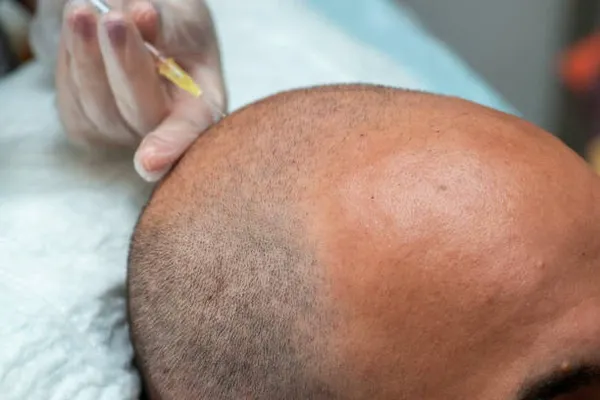
Medical professional injecting the scalp to promote hair regeneration with advanced methods, highlighting options within Stem Cell Therapy vs PRP.

What to Expect After Treatment

Both PRP and Stem Cell Therapy are minimally invasive, and most patients can return to their normal activities within a few hours. You may experience mild redness, swelling, or tenderness at the injection sites for 1–2 days.

Hair regrowth timeline:

  • Results from PRP are often visible in 3 to 6 months, depending on your hair cycle.

  • Stem Cell Therapy may take a bit longer to show full effects, but improvements can continue for 6 to 12 months.

Multiple sessions may be recommended, particularly for PRP. Stem Cell Therapy, due to its potency, may require fewer treatments over time.

Final Thoughts

Both Stem Cell Therapy and PRP represent powerful tools in the battle against hair loss. Whether you’re just starting to notice thinning or have been struggling with hair loss for years, these treatments offer safe, natural alternatives to surgery or medications.

Ultimately, the best choice depends on your unique hair loss pattern, scalp condition, and desired results. For some, PRP alone may be sufficient. For others, especially those with more advanced thinning, Stem Cell Therapy—or a combination of both—might offer the best long-term solution.

Still not sure which option is right for you? Our team at Cancun Hair Restoration is here to guide you every step of the way. Take the first step toward fuller, healthier hair with Stem Cell Therapy vs PRP.
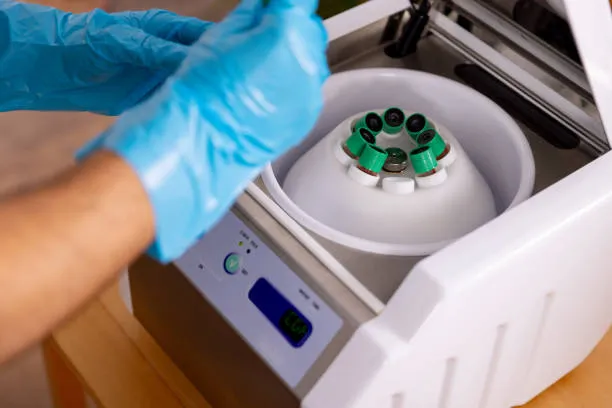
Medical equipment analyzing and processing samples for innovative hair treatments, reflecting state-of-the-art procedures in Stem Cell Therapy vs PRP.
Foods That Strengthen Hair: The Complete Guide to Eating for Healthy, Strong Hair

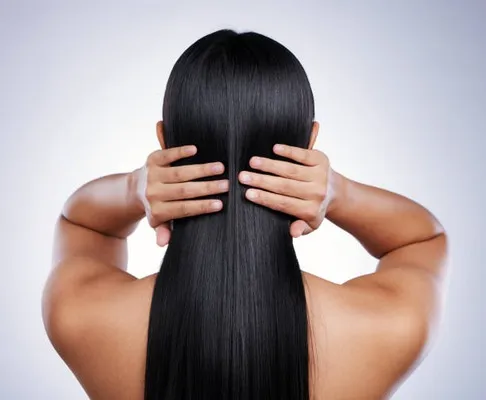
Woman with long, shiny black hair posing confidently to show the results of eating foods that strengthen hair and improve natural shine and growth.

Foods That Strengthen Hair: The Complete Guide to Eating for Healthy, Strong Hair

When it comes to achieving healthy hair, most people focus only on shampoos, conditioners, or expensive treatments. But the truth is, the secret to strong, shiny hair starts inside your body — with the foods you eat every single day. Choosing the right foods that strengthen hair can transform your hair from weak and brittle to healthy and full of life.

If you’re wondering what the best foods for hair growth are, this guide will help you understand exactly which nutrients you need and how they work. Combined with professional options like PRP Treatment or Stem Cell Therapy, your diet can make all the difference in getting the strong hair you want.

Why Nutrition Matters for Hair Strength

Hair is one of the fastest-growing tissues in the human body, but it’s also the first to suffer when you lack nutrients. That’s because your body prioritizes vital organs first, not your hair follicles. So when you don’t eat enough essential nutrients, your hair is often the first thing to weaken.

A poor diet can cause brittle hair, slow growth, and even lead to hair loss over time. On the other hand, choosing foods that strengthen hair helps keep your scalp healthy, your roots strong, and each strand resilient.

If you want thicker, stronger hair naturally, focusing on the right food groups is a must.

Protein: The Building Block of Strong Hair

The most important foods that strengthen hair are those rich in protein. Why? Because your hair is made mostly of a protein called keratin, which gives it structure and strength. Without enough protein, your hair can become weak, thin, and more likely to break.

Add these foods that help hair growth to your daily meals:

      • Eggs: Packed with protein, biotin, and a good source of vitamin B12.
      • Fish like salmon and tuna: Rich in protein and healthy fats.
      • Chicken, lean beef, and turkey: Great for supplying keratin’s building blocks.
      • Beans, lentils, and chickpeas: Perfect plant-based options for extra protein and iron.

Making protein a daily habit will help your hair grow stronger and stay healthy.

Woman with long, shiny black hair posing confidently to show the results of eating foods that strengthen hair and improve natural shine and growth.

Iron and Zinc: Minerals That Support Hair Health

Another group of foods that strengthen hair are those rich in iron and zinc. Iron helps deliver oxygen to your hair follicles, keeping them active and healthy. Zinc plays a big role in repairing tissues and oil production around follicles, which can prevent dryness and breakage.

Good choices include:

      • Leafy greens like spinach and kale: Excellent for iron.
      • Lean red meat in moderation: A well-absorbed source of iron.
      • Lentils and beans: Ideal for a plant-based diet.
      • Pumpkin seeds and sunflower seeds: Easy zinc boost.
      • Greek yogurt: A tasty way to get more zinc and protein.

Combining iron-rich foods with vitamin C — like citrus fruits — helps you absorb iron better. This makes your diet more effective at preventing brittle hair.

Omega-3 Fatty Acids and Healthy Fats: Shine and Strength

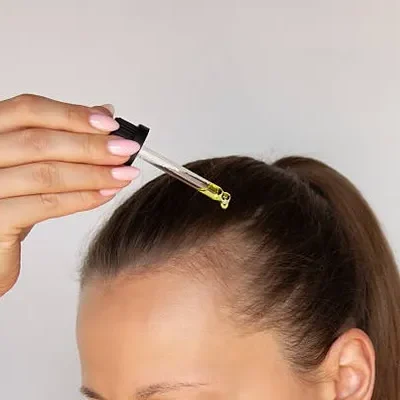
Woman applying nourishing serum to her hair as part of a routine that complements foods that strengthen hair for better hydration and growth.

Healthy fats are an underrated but powerful part of any list of foods that strengthen hair. Omega-3 fatty acids nourish the scalp, reduce inflammation, and keep hair hydrated and shiny.

Best choices:

      • Salmon, mackerel, sardines: Fatty fish are top sources of omega-3.
      • Walnuts, chia seeds, flaxseeds: Great plant-based omega-3 alternatives.
      • Avocado: Loaded with healthy fats and vitamin E for smooth, hydrated strands.

These foods that strengthen hair help protect your hair’s natural oils, preventing dry ends and breakage.

Vitamins A, C, D, and E: Natural Fuel for Growth

Eating enough vitamins is essential when choosing foods that strengthen hair. These vitamins help your hair grow faster and stay resilient:

      • Vitamin A: Supports the scalp’s natural oil production.

      • Vitamin C: Helps absorb iron and fights oxidative stress.

      • Vitamin D: May help create new hair follicles.

      • Vitamin E: Improves circulation, feeding nutrients to your scalp.

Top foods to get these vitamins:

      • Sweet potatoes, carrots, pumpkin: Great for vitamin A.

      • Citrus fruits, berries, bell peppers: High in vitamin C.

      • Fortified dairy, eggs, mushrooms: Good sources of vitamin D.

      • Nuts, seeds, and spinach: Loaded with vitamin E.

Adding these vitamins to your daily meals ensures your body has what it needs to promote hair growth naturally.

Hydration and Foods with High Water Content

When thinking about foods that strengthen hair, don’t forget about hydration. Dehydration makes your scalp dry, which can slow hair growth and make hair fragile. Alongside drinking enough water, you can add water-rich foods like watermelon, cucumbers, and oranges to your diet.

Hydration helps nutrients travel to your hair follicles, giving them the fuel they need to grow strong, healthy hair.

Combining Good Food with Advanced Treatments

Eating foods that strengthen hair builds a strong foundation, but sometimes you need extra help to address thinning or weak growth. This is where professional treatments come in.

Treatments like PRP Therapy inject growth factors to stimulate follicles, while Stem Cell Therapy helps rejuvenate hair from the inside out. When you combine these methods with a diet rich in foods that strengthen hair, you maximize your results.

Woman holding a handful of her hair with a strong grip to display healthy strands thanks to adding foods that strengthen hair to her daily meals.

Key Takeaways: Your Hair Reflects What You Eat

Your hair truly is a reflection of what you put into your body. While fancy products can help from the outside, real change starts on your plate. Choosing the best foods that strengthen hair ensures your strands have the strength, shine, and structure they need.

Focus on:

      • Plenty of protein.
      • Iron, zinc, and other minerals.
      • Healthy fats and omega-3 fatty acids.
      • A rainbow of fruits and vegetables for vitamins.
      • Proper hydration.


Combined, these steps can help your hair look better than ever.

Ready to Find Out If Your Diet Helps Your Hair?

Eating the right foods that strengthen hair is a smart move for anyone who wants naturally healthy, beautiful hair. But if you feel you need extra support to promote hair growth, it’s smart to talk to an expert.

At Cancún Hair Restoration, we guide you with proven solutions like PRP Therapy and Stem Cell Therapy to complement your healthy eating and help you get the hair you deserve — stronger, fuller, and more confident.

Learn how to combine the best foods that strengthen hair with advanced restoration treatments for the best results possible.

Understanding the Shedding Effect: Why It Happens and What To Do

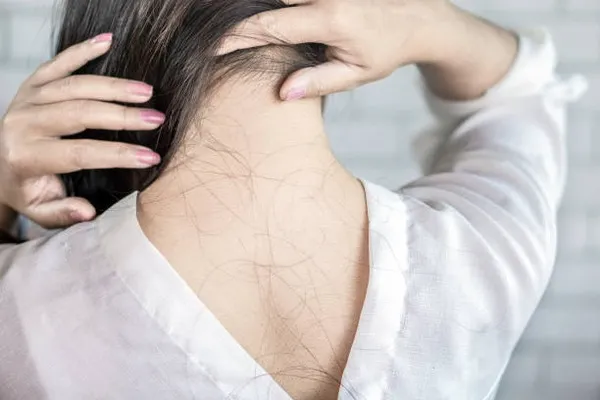
Back view of a young woman with long hair falling out as she notices the shedding effect, which is common after certain hair restoration treatments

Understanding the Shedding Effect: Why It Happens and What To Do

Starting a hair restoration journey can feel overwhelming, especially when you first hear about the shedding effect. Many people panic when they see more hair falling out just weeks after beginning treatment. However, the shedding effect is not always a sign that something is wrong — it’s often proof that your hair follicles are responding exactly as they should.

In simple terms, the shedding effect describes the temporary hair loss that happens when new growth is triggered. Whether you’re using topical solutions, planning a FUE Hair Transplant, FUT Hair Transplant, or trying PRP Treatment, understanding how the shedding effect works can help you feel calm and confident about your results.

What Causes the Shedding Effect?

The shedding effect happens because of how the natural hair cycle works. Human hair grows in phases: the anagen phase (growth), the catagen phase (transitional), and the telogen phase (resting). Each hair strand is in a different stage at any given time.

When you start a new treatment, your scalp is stimulated to reactivate dormant follicles. This can cause old, weaker hairs to shed, making way for thicker, stronger hair to grow in its place.

For example, if you’re getting a FUE Hair Transplant or FUT Hair Transplant, the transplanted grafts first go into a short resting phase. During this time, the original hair attached to each graft may fall out. This is normal and expected — the roots stay intact under the scalp and will produce new hairs soon.

Similarly, with PRP Treatment, the injected plasma stimulates the hair follicles to push out weak strands so that new, stronger hair can grow. The shedding effect shows that the treatment is working at a deeper level.

Back view of a young woman with long hair falling out as she notices the shedding effect, which is common after certain hair restoration treatments

When Is the Shedding Effect Normal?

The shedding effect is perfectly normal during the first few weeks or months after beginning hair restoration treatments. For topical solutions like minoxidil, shedding can start two to six weeks after your first use. For PRP, you may notice increased shedding about three to six weeks after your session.

If you’ve had a FUE Hair Transplant or FUT Hair Transplant, you can expect the shedding effect to happen within two to four weeks after your procedure. This is simply your scalp adjusting to the new grafts and shifting hairs into the growth phase.

This temporary loss usually lasts a few weeks, followed by new, stronger strands growing in. Most people see visible improvement in three to six months, and full results in 9 to 12 months. Staying calm and patient is key to overcoming the shedding effect.

When Should You Worry About Shedding?

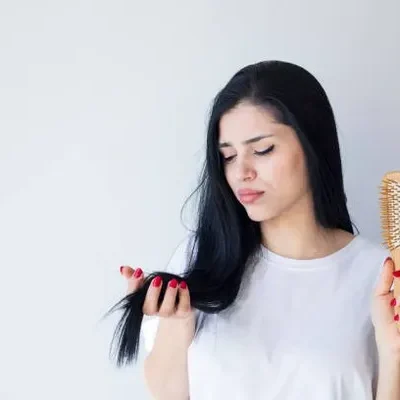
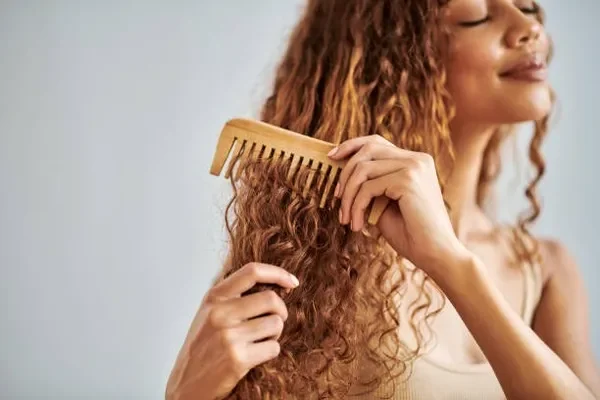
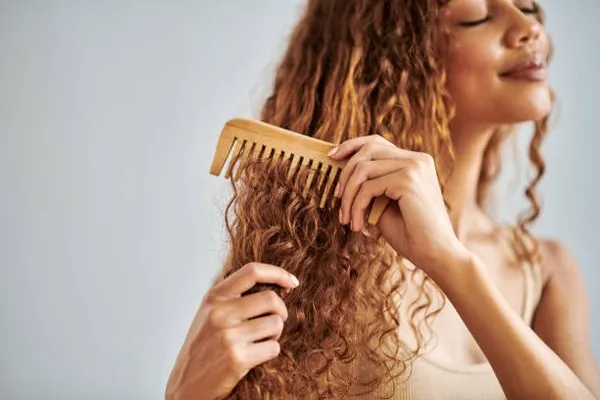
Woman brushing her long hair while seeing strands coming out on her brush, experiencing the normal shedding effect linked to new hair growth cycles.

While the shedding effect is a healthy, expected part of hair restoration, not every type of hair loss is normal. If shedding continues longer than three or four months, or you notice bald patches that do not regrow hair, it could be a sign of another issue.

Keep an eye out for:

      • Large bald spots appearing suddenly.
      • Excessive hair loss across your entire scalp with no signs of regrowth.
      • Scalp irritation, redness, or unusual flaking.
      • Hair becoming thinner overall, not just in areas being treated.

In rare cases, persistent shedding may indicate an underlying condition like chronic telogen effluvium, nutritional deficiencies, or a reaction to medication. If you’re unsure whether your shedding effect is normal, talk to a trusted specialist for a professional evaluation.

How To Manage the Shedding Effect

If you’re experiencing the shedding effect, remember: it’s temporary! Stopping your treatment because of shedding is one of the biggest mistakes people make — it can actually make things worse and stop new growth from developing.

Here are some tips to manage the shedding effect with confidence:

      • Stick with your treatment plan. Consistency is key for hair restoration success.
      • Eat a diet rich in protein, vitamins, and minerals that nourish your hair follicles.
      • Talk to your doctor about supplements like biotin or zinc if you have deficiencies.
      • Use gentle hair care products and avoid harsh chemicals or strong styling agents.
      • Skip excessive heat styling while new hair is growing in.
      • Keep all follow-up appointments to monitor your progress and adjust your plan if needed.
Medical professional injecting a man’s scalp with a needle, a moment that can trigger the shedding effect as part of post-treatment phases.

If you’ve recently had a transplant, carefully follow your surgeon’s post-op instructions to protect your grafts while they settle in. After PRP Treatment, protect your scalp and don’t pick at shedding hair — let nature do its job.

Remember: the shedding effect means your scalp is responding. Don’t panic — be patient and trust the process.

Is Your Shedding Effect Excessive? Let’s Talk.

If you’re seeing more hair than you expected on your brush or pillow, or you feel your shedding effect doesn’t look normal, get advice before making any changes to your treatment plan.

Cancún Hair Restoration specializes in proven hair loss treatments like FUE Hair Transplant, FUT Hair Transplant, and PRP Treatment. Our expert team will guide you through every step, including how to handle the shedding effect calmly and effectively.

Understanding Frontal Fibrosing Alopecia: What You Need to Know

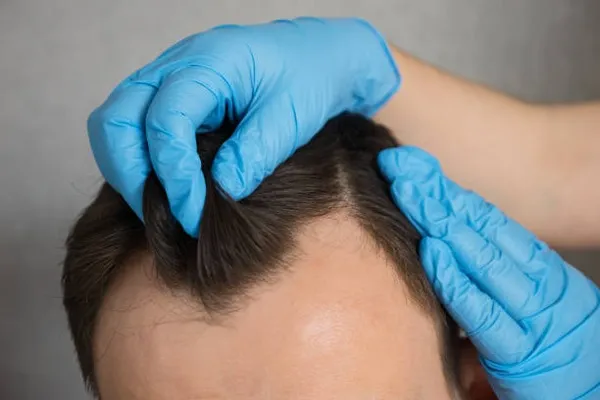
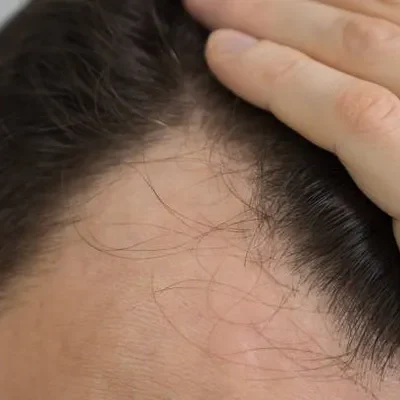
Close-up of a man’s receding hairline at the front, showing the typical pattern of Frontal Fibrosing Alopecia with visible thinning near the forehead area.

Understanding Frontal Fibrosing Alopecia: What You Need to Know

Frontal Fibrosing Alopecia (FFA) is becoming one of the most talked-about forms of hair loss, especially among postmenopausal women. Although it was first described just a few decades ago, more people are now being diagnosed as awareness grows and more dermatologists recognize its unique signs.

Unlike general female pattern hair loss, which causes gradual thinning over the crown, Frontal Fibrosing Alopecia specifically affects the frontal hairline, causing a slow but noticeable balding from front. It is considered a form of fibrosing alopecia, meaning it causes scarring that permanently destroys hair follicles if left untreated.

For many women, seeing their hairline recede by an inch or more can feel devastating. Combined with a loss of eyebrow hair, the changes can dramatically alter someone’s facial appearance and self-esteem. The condition can progress quietly for years before it’s diagnosed, which is why understanding Frontal Fibrosing Alopecia is so important.

Who Gets Frontal Fibrosing Alopecia?

Most cases occur in postmenopausal or post menopausal women over 50, but younger women — and even men — can develop FFA too. Some researchers think hormonal changes related to menopause play a big role, while others suggest that an autoimmune disease component may trigger inflammation.

A growing body of research has even linked environmental factors to Frontal Fibrosing Alopecia, such as frequent use of facial sunscreens and certain skincare products near the alopecia on hairline area. While evidence is not conclusive, some studies suggest these care products might irritate sensitive skin and contribute to inflammation.

Although not life-threatening, the emotional impact is significant. Many patients report social anxiety, loss of confidence, and avoidance of activities like swimming or styling their hair back because they don’t want to reveal the receding line.

Close-up of a man’s receding hairline at the front, showing the typical pattern of Frontal Fibrosing Alopecia with visible thinning near the forehead area.

Causes and Risk Factors

Experts believe Frontal Fibrosing Alopecia is likely a variant of lichen planopilaris, a type of scarring alopecia linked to the body’s immune system attacking its own hair follicles. This autoimmune reaction leads to inflammation and scarring that destroys the follicle permanently.

Some think genetics may make certain people more likely to develop FFA, although no single gene has been found. Hormonal factors are suspected, which explains why it’s so common in postmenopausal women.

Possible environmental factors — including hair dyes, facial creams, and sunscreens — are being studied as triggers. Researchers have even published detailed frontal fibrosing alopecia a review papers in journals like the J Acad Dermatol to better understand these links.

There’s no single cause, but most experts agree that early diagnosis is key to slowing this type of hair loss.

Symptoms and Early Signs

Another view of a man’s forehead area where hair is falling out due to Frontal Fibrosing Alopecia, highlighting the progressive nature of this condition.

The main sign of Frontal Fibrosing Alopecia is a gradual, symmetrical recession of the hairline. Many patients notice their forehead looks larger or that their bangs don’t sit the same way anymore.

In addition to frontal hair loss female, eyebrow loss is a classic sign. Some women lose their eyebrows entirely or see thinning at the outer edges. Small, pale patches or redness along the hairline are also common in the early stages.

Some people feel mild burning, itching, or see tiny bumps near the hairline — all signs that inflammation is damaging the follicles. If you see signs of balding from front combined with eyebrow thinning, it’s crucial to act fast to stop more permanent hair loss.

Left untreated, the condition can spread around the front and sides, sometimes reaching the sideburns or temples. Once the follicles are scarred, regrowth becomes very unlikely.

How Is Frontal Fibrosing Alopecia Diagnosed?

Getting an accurate diagnosis of Frontal Fibrosing Alopecia is vital for managing it effectively. Dermatologists start by examining the hairline and eyebrows for signs of recession and inflammation.

They may use dermoscopy, which magnifies the scalp to look for details invisible to the naked eye — such as signs of fibrosing alopecia or damaged follicles.

A biopsy is often recommended. This small sample shows the inflammation pattern typical of Frontal Fibrosing Alopecia, confirming that it is a scarring condition and not just typical female pattern hair loss.

Sometimes, blood tests help rule out other autoimmune conditions or check for hormonal imbalances, especially in postmenopausal women.

Treatment Options: How to Manage FFA

Treating Frontal Fibrosing Alopecia can be challenging, but the goal is to halt progression and preserve existing hair. Once follicles are scarred, regrowth is very limited — but catching it in the early stages means you may still regrow some hair.

The first line of defense usually involves topical corticosteroids to calm inflammation. Oral immunosuppressive medications, like hydroxychloroquine, can also help reduce the immune response. Some patients respond well to antiandrogens, which can help balance hormone effects on the scalp.

Increasingly, people turn to regenerative options to support their treatment plan. PRP Treatment uses your own platelets to stimulate healing, reduce inflammation, and reactivate partially damaged hair follicles. Stem Cell Therapy is another advanced option to boost scalp health and encourage density.

For many, the loss of eyebrow hair is especially distressing. An Eyebrow Hair Transplant can help restore a natural look by relocating healthy hairs to sparse areas. Alternatively, Micropigmentation offers a non-surgical way to recreate the look of full brows or define a receded hairline.

It’s important to weigh all options with an experienced doctor because treatments like immunosuppressive drugs can have side effects. Routine check-ups and blood tests help ensure safety and track progress.

A doctor performing an injection on a man’s scalp to treat Frontal Fibrosing Alopecia, focusing on medical procedures for this type of hairline loss.

Practical Tips for Living with FFA

Managing Frontal Fibrosing Alopecia goes beyond medications. Many dermatologists recommend using mild shampoos and gentle care products to avoid irritating the sensitive hairline area. Avoid tight hairstyles that pull on the front and sides of the scalp, which can stress vulnerable follicles.

Consider reading up on patient stories or expert reviews — searching for frontal fibrosing alopecia a review can connect you with medical journals and real-life experiences.

Support groups, online communities, and professional counseling can help deal with the emotional side of losing hair. Many women feel less alone once they talk with others going through the same struggles.

Stay Hopeful: Take Action Early

While there is no absolute cure for Frontal Fibrosing Alopecia, acting quickly can stop progression, preserve the hair you still have, and help you maintain confidence. Combining medical treatments, lifestyle changes, and cosmetic solutions gives many people the best outcome.

If you suspect Frontal Fibrosing Alopecia — whether it’s subtle frontal balding women, loss of eyebrows, or redness along the hairline — don’t wait to speak with an expert.

Cancún Hair Restoration offers customized plans for Frontal Fibrosing Alopecia, including PRP Treatment, Stem Cell Therapy, Eyebrow Hair Transplant, and Micropigmentation.

Our team can help you manage your condition, plan realistic goals, and restore your hairline and brows naturally.

Understanding the Different Types of Alopecia

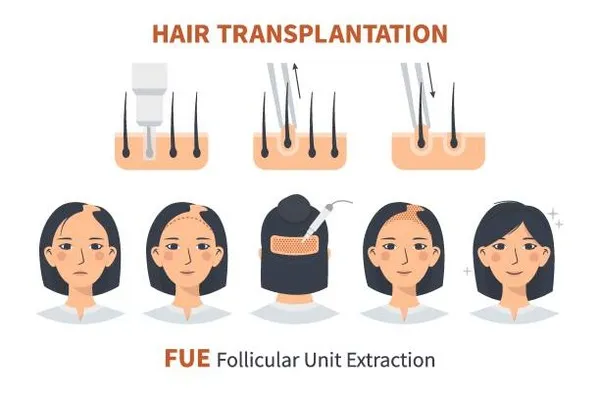
Detailed diagram of a FUE process demonstrating a modern solution for treating some types of alopecia and encouraging natural hair regrowth

Understanding the Different Types of Alopecia

Hair loss affects millions of people worldwide and can happen for many reasons, but not all hair loss is the same. Knowing the types of alopecia is the first step toward finding the right solution for your unique situation. Many people wonder what is alopecia disease, especially when they first notice unusual shedding, thinning, or a sudden bald patch.

Alopecia simply means hair loss, but the underlying cause can vary greatly. It may be temporary or permanent, mild or severe, and it can affect the scalp hair, beard, or even eyebrows and eyelashes. Some types of alopecia are linked to genetics, while others are triggered by stress or are the result of an autoimmune condition. Understanding which type you have helps determine how to stop it, how to encourage hair regrowth, and how to protect your remaining hair.

Hair loss is more than just a cosmetic issue — it can impact your self-confidence and mental health. This is why it’s so important to get a clear diagnosis and work with professionals who can help you choose the right treatment for your specific types of alopecia.

Alopecia Areata: When the Immune System Attacks

One of the best-known types of alopecia is alopecia areata, which is an autoimmune condition. Here, the body’s immune system attacks healthy hair follicles by mistake. This sudden attack causes patchy hair loss, often appearing as small round bald spots on the scalp, beard, or other parts of the body.

In some people, alopecia areata can develop into more extensive forms like alopecia totalis (complete scalp hair loss) or alopecia universalis, where all body hair, including eyebrows and eyelashes, falls out. Many people want to know how to fix bald spots when this happens.

While there is no permanent cure for alopecia areata, there are promising treatments. Steroid injections can reduce inflammation, while newer therapies like PRP Treatment use your own platelets to stimulate the hair follicle and boost natural hair regrowth. Because alopecia areata is an autoimmune condition, managing stress and inflammation is also crucial for controlling flare-ups.

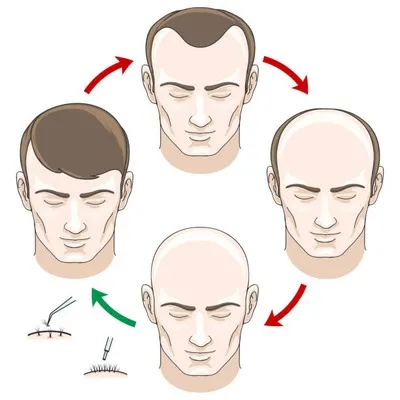
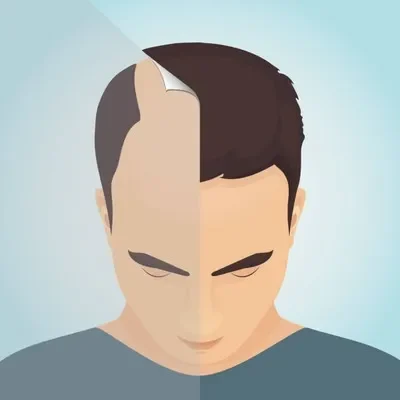
Illustrated stages of a bald man before and after treatment, highlighting different types of alopecia and options for regrowth solutions for hair loss.

Androgenic Alopecia: Pattern Hair Loss

The most common type worldwide is androgenic alopecia, also known as female pattern hair loss or male pattern baldness. This form is hereditary and progressive, meaning it worsens over time if untreated. For men, it often starts with a receding hairline and a bald patch on the crown. For women, it usually causes diffuse thinning, where the hair thins all over the crown while the hairline stays intact.

The main alopecia cause here is a genetic sensitivity to DHT, a hormone that shrinks hair follicles and shortens the growth phase. If untreated, this can eventually stop hair from growing altogether in certain areas.

Treatments for androgenic alopecia range from topical medications like minoxidil to hair restoration techniques such as FUE Hair Transplant or FUT Hair Transplant. These methods move healthy follicles to areas where hair has stopped growing and can provide permanent improvement. Combining these with therapies like PRP Treatment helps strengthen existing hair and encourage new growth.

Frontal Fibrosing Alopecia: A Scarring Condition

Concept image showing half of a head bald and the other half with thick hair, visualizing treatment impact for various types of alopecia conditions

Another less common but serious form is frontal fibrosing alopecia. This is a type of scarring alopecia that mostly affects postmenopausal women, although men and younger women can get it too. It’s characterized by a gradual receding of the front hairline and sometimes the loss of eyebrows and eyelashes.

In frontal fibrosing alopecia, inflammation damages the hair follicle, which means hair cannot grow back once the follicle is destroyed. This scarring can also appear as redness, irritation, and visible scarring on the scalp.

Doctors aren’t sure exactly what causes frontal fibrosing alopecia, but an autoimmune condition or hormonal changes may play a role. Because this type leads to hair loss that’s permanent, early diagnosis is key. Treatments focus on controlling inflammation using medications and, in some cases, regenerative therapies like Stem Cell Therapy, which can help maintain healthy follicles and slow further loss.

Telogen Effluvium: Stress-Triggered Hair Loss

Telogen effluvium is one of the most common temporary types of alopecia. It occurs when more hair than normal enters the resting phase (telogen) of the hair cycle at the same time. This is usually triggered by physical or emotional stress, major surgery, childbirth, drastic weight loss, or certain illnesses.

Instead of a distinct bald patch, people with telogen effluvium notice diffuse thinning or large clumps of hair falling out during brushing or showering. The good news is that this condition is reversible in most cases. Once the underlying trigger is addressed, the hair cycle normalizes, and hair regrowth begins.

To speed up recovery, people often combine good nutrition, stress management, and medical support like PRP Treatment or Stem Cell Therapy. These treatments nourish the scalp, reactivate the hair follicle, and help new hair grow faster and stronger.

Other Types of Alopecia

There are many other types of alopecia worth knowing about. For example:

    • Traction alopecia happens when constant tension from tight hairstyles damages the hair follicle.

    • Lichen planopilaris is another form of scarring alopecia that leads to patchy permanent loss if untreated.

    • Scalp hair loss can sometimes be linked to other conditions like hormonal imbalances or nutritional deficiencies.

Knowing exactly which type you have is crucial, because some causes can be reversed if caught early. For example, changing hairstyles can stop traction alopecia from progressing. Getting proper blood tests can help identify vitamin or hormone issues that might be behind your types of hair loss.

Detailed diagram of a FUE process demonstrating a modern solution for treating some types of alopecia and encouraging natural hair regrowth

Treatments and Modern Options

Today, you have more options than ever to treat different types of alopecia. Advanced methods like FUE Hair Transplant and FUT Hair Transplant are popular choices for hereditary forms like androgenic alopecia. They offer natural-looking, permanent results by moving healthy hair to thinning or bald areas.

Regenerative treatments like PRP Treatment and Stem Cell Therapy help strengthen weak follicles, reactivate growth, and support overall scalp health. These are often used alongside transplants for better outcomes.

Whichever treatment you choose, a personalized plan is essential because each type of alopecia responds differently. Combining medical solutions with good hair care, stress management, and a healthy lifestyle maximizes your chances of keeping your hair thicker and healthier for years to come.

Not Sure Which Type of Hair Loss You Have?

When you understand the different types of alopecia, you can take the right steps to protect your hair and your confidence. If you’re seeing patchy hair loss, noticing your hair thins, or have a stubborn bald patch, don’t ignore it.

Want expert help figuring out how to fix bald spots or restore your hair naturally? Cancún Hair Restoration can guide you through your options — from FUE Hair Transplant and FUT Hair Transplant to PRP Treatment and Stem Cell Therapy.

Take the first step toward understanding your types of alopecia and get a solution that works for you.

The Healthy Way to Grow Hair Fast

A young woman with curly hair styling her waves carefully in front of a mirror to maintain bounce and volume, embracing a Healthy way to grow hair fast.

The Healthy Way to Grow Hair Fast

Want longer, thicker hair without risking damage? Finding a Healthy way to grow hair fast is possible when you focus on supporting your hair’s natural cycle instead of forcing it with harsh chemicals or unrealistic treatments. Many people try quick fixes, but shortcuts often lead to breakage, split ends, and even permanent hair loss.

Genetics, stress, poor diet, and damage from excessive heat styling or aggressive products can all slow your growth. That’s why it’s essential to use safe methods that respect your scalp, nourish your hair follicles, and protect your strands from root to tip.

This guide covers everything you need to know about the Healthy way to grow hair fast, including how your hair grows, which daily habits help most, what nutrients you need, and what modern treatments really work without causing damage.When it comes to achieving a harmonious look, eyebrow design for different face shapes plays a more important role than many realize. It’s not just about brow trends or aesthetics—it’s about balance, proportion, and enhancing your facial features. Especially for those considering an eyebrow transplant, designing the right brow shape for your unique face shape is a step that should never be skipped.

Understanding Hair Growth Phases

To find the best Healthy way to grow hair fast, you first need to understand the three natural phases of hair growth. The anagen phase is when your hair actively grows—this stage can last two to seven years, allowing your hair to grow about an inch a month if conditions are right.

After that comes the catagen phase, a short transition period when hair growth slows. Finally, the telogen phase is the resting period when old hair sheds and new growth begins.

Respecting these phases is key to long-term healthy hair growth. Forcing your hair to grow with harsh treatments can weaken the hair shaft and permanently damage the hair follicles, resulting in thinning or excessive hair loss.

A young woman with curly hair styling her waves carefully in front of a mirror to maintain bounce and volume, embracing a Healthy way to grow hair fast.

Daily Habits for Healthy Hair Growth

A consistent routine is an important part of any Healthy way to grow hair fast. Start with proper washing: use sulfate-free shampoos to avoid stripping natural oils. Wash your wet hair with lukewarm water and always detangle gently to prevent breakage.

Incorporate scalp massaging into your routine to boost blood flow and deliver nutrients to the roots. This simple habit can help increase hair thickness and support the natural cycle.

Heat styling is a major reason for dry, brittle hair. Use a heat protectant every time you style with styling tools, and limit how often you blow-dry or straighten. Air drying is your hair’s best friend.

Regular trims every 8-12 weeks are also essential. When you trim your hair, you remove split ends that could otherwise travel up the strand and cause more damage. Don’t skip this step if you truly want your hair to grow.

Sleep on a silk pillowcase, avoid tight hairstyles that pull at the roots, and handle your wet hair gently—these small details help protect your hair from unnecessary stress.

Nutrients That Promote Faster Growth

A woman with straight, shiny hair brushing it gently to reduce breakage and support a Healthy way to grow hair fast through daily self-care habits.

Diet plays a massive role in a Healthy way to grow hair fast. Your strands need fuel: vitamins and minerals like biotin, zinc, iron, and vitamin D all strengthen hair and support growth.

Omega-3 fatty acids, found in foods like salmon and walnuts, keep the scalp healthy and prevent dry, flaky skin that can slow growth. Eating a balanced diet ensures your hair gets what it needs to grow strong.

Since hair is mostly protein, make sure you’re eating enough lean meats, eggs, beans, or plant-based proteins. Extreme weight loss diets can strip your body of the nutrients it needs, leading to shedding and thinning instead of longer locks.

If you can’t get enough nutrients through food alone, talk to a professional about safe supplements. Supporting your hair from the inside out is always the smartest Healthy way to grow hair fast.

Treatments That Help Without Damaging

Sometimes, you need extra help to get the results you want. The good news is, there are modern treatments that can speed up your growth safely—without damaging your scalp or strands.

One of the most promising options is PRP Treatment (learn more here). Platelet-rich plasma therapy uses your own blood’s growth factors to stimulate the hair follicles naturally. A small amount of blood is drawn, processed to concentrate the platelets, and then injected into your scalp. This helps reactivate dormant follicles, boost circulation, and strengthen weak strands. PRP has been proven effective for men and women struggling with hair loss or thinning.

Another advanced solution is Stem Cell Therapy (learn more here). This cutting-edge method uses stem cells to rejuvenate the scalp and promote the regeneration of new hair follicles. Stem cells work by signaling your body to repair and grow new tissues—making them a powerful tool for healthy hair growth when combined with a good care routine and nutrition.

If you’re dealing with significant thinning or bald patches, the DHI Hair Transplant (learn more here) is one of the least invasive and most natural-looking hair restoration methods available. Unlike older transplant techniques that require stitches or noticeable scars, DHI uses a fine tool to extract and implant each follicle directly, ensuring precise placement and a faster recovery.

Combining DHI with PRP Treatment and Stem Cell Therapy often delivers outstanding results because these treatments complement each other—PRP and stem cells help heal the scalp and support new grafts after a transplant, while DHI provides the density you want in areas where follicles have stopped producing hair naturally.

How to Protect Your Results

No matter which treatment you choose, remember: a Healthy way to grow hair fast requires ongoing care. Keep using gentle products, get regular trims, avoid excessive heat styling, and maintain a balanced diet rich in omega-3 fatty acids, protein, and the right vitamins and minerals.

Use a good heat protectant if you must style, and don’t skip scalp massaging—it’s a small habit that really helps circulation and nutrient delivery.

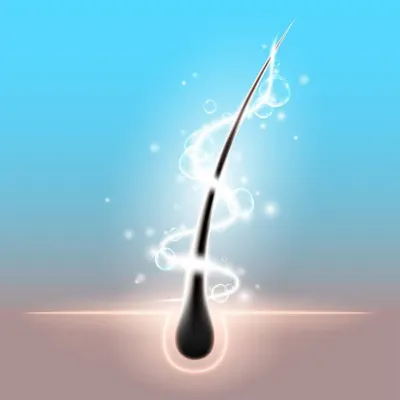
Detailed illustration of a hair follicle with a healthy hair strand growing, symbolizing how a Healthy way to grow hair fast starts at the root level.

Ready to Boost Your Hair Growth Safely?

When you focus on safe, science-backed methods and good daily habits, you’ll see the difference. If you’re serious about finding a Healthy way to grow hair fast, talk to a trusted hair restoration expert about which modern treatments are right for you.

Want professional support? Cancún Hair Restoration offers proven solutions like PRP Treatment, Stem Cell Therapy, and the minimally invasive DHI Hair Transplant to help you reach your hair goals safely and naturally.