Eyebrow Design for Different Face Shapes: Get the Right Look Before Your Eyebrow Transplant

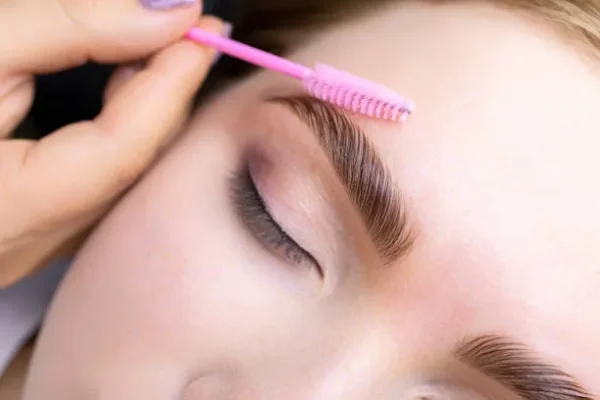
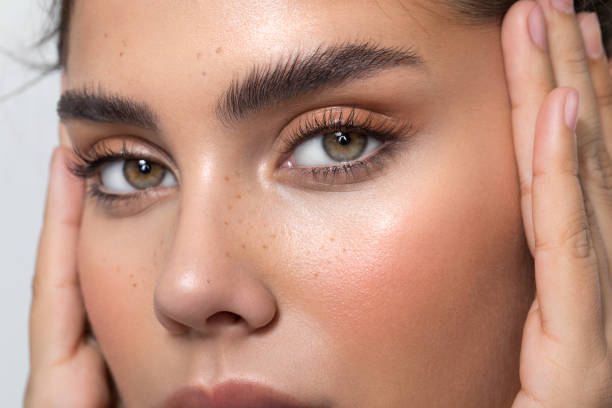
Close-up of a woman with perfectly shaped brows that reflect the ideal result after applying eyebrow design for different face shapes by a professional

Eyebrow Design for Different Face Shapes: Get the Right Look Before Your Eyebrow Transplant

When it comes to achieving a harmonious look, eyebrow design for different face shapes plays a more important role than many realize. It’s not just about brow trends or aesthetics—it’s about balance, proportion, and enhancing your facial features. Especially for those considering an eyebrow transplant, designing the right brow shape for your unique face shape is a step that should never be skipped.

The Link Between Face Shape and Eyebrow Design

Understanding how your face shape influences your brow style is essential. The right eyebrow design for different face shapes can highlight your best features, soften angular lines, and make your eyes appear more lifted. For instance:

  • Oval face: This balanced shape works well with soft angled or arched brows. It offers the most flexibility among all face types.

  • Square face: Defined by a strong jawline, this shape benefits from a high arch that adds softness and contrast.

  • Heart-shaped face: With a pointed chin and wide forehead, this face shape pairs best with rounded brows or a slight arch.

  • Diamond face: To balance wide cheekbones, choose curved brows that soften sharp angles.

Choosing the right eyebrow design for different face shapes means moving beyond generic eyebrow shapes pictures and working with professionals who understand both aesthetics and anatomy.

Detailed illustration showing various eyebrow styles adapted to different face types, a perfect visual guide for understanding eyebrow design for different face shapes

Brow Design Before Eyebrow Transplant: Why It Matters

If you’re planning an eyebrow transplant, defining the ideal shape beforehand is essential for long-lasting, natural-looking results. At this stage, your surgeon will assess your facial structure, hair density, and desired look to create a customized plan.

This process ensures that your future designer eyebrows won’t just look good—they’ll fit your face. Without this planning, even the best surgical technique can’t compensate for a poorly chosen design.

The importance of eyebrow design for different face shapes is even greater in procedures like eyebrow restoration. That’s why clinics often use advanced visual tools, including eyebrow shapes pictures, to help guide your decision.
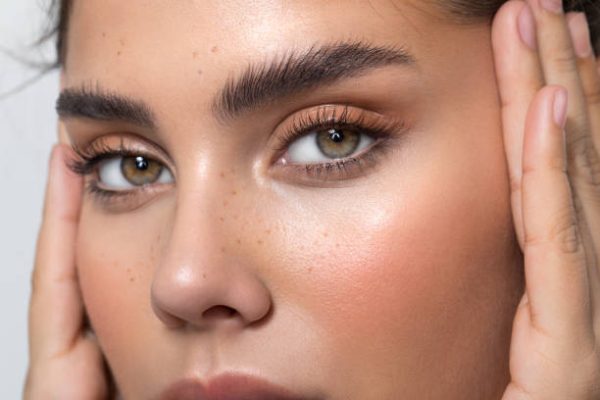
Close-up of a woman with perfectly shaped brows that reflect the ideal result after applying eyebrow design for different face shapes by a professional

Specialized Tips Based on Shape and Structure

  • Always match the brow shape to your facial features


  • Never over-remove hair; it alters the natural guideline


  • Use expert references from places known for eyebrows Doral or similar beauty hubs


  • Check popular eyebrow designs female clients have chosen to suit different shapes

Having the right eyebrow design for different face shapes not only enhances your look—it builds the foundation for a successful transplant. The better the design, the more natural your results will be.


Looking to restore your eyebrows and confidence in Cancún? Trust Cancún Hair Restoration to provide you with expert evaluation and a personalized eyebrow design that suits your unique face shape. Learn more about hair restoration or visit our main page to book your consultation today.

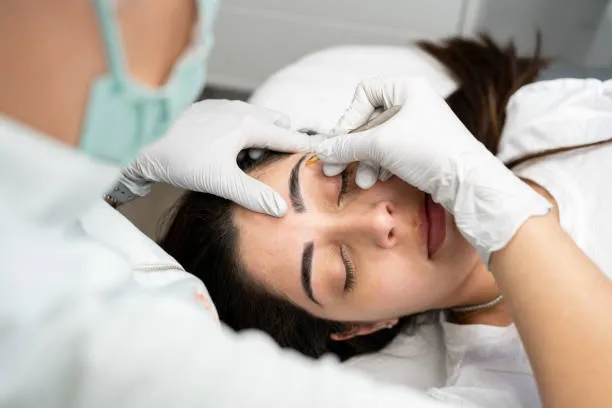
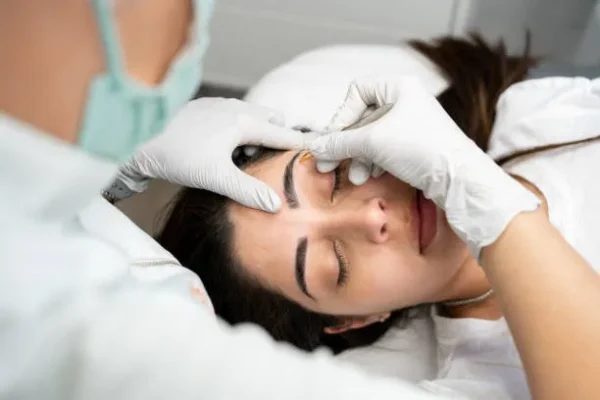
Woman receiving precise eyebrow plucking with tweezers at a beauty salon, part of a customized eyebrow design for different face shapes session

types of surgeries for alopecia

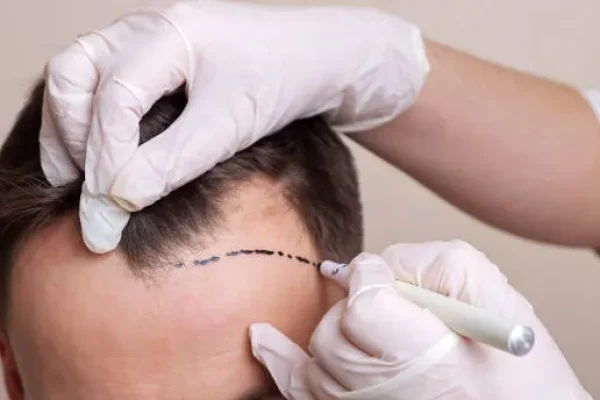
A man with visible hair loss looking at potential treatment results, reflecting decision-making related to the types of surgeries for alopecia.

Types of Surgeries for Alopecia

Alopecia affects millions of people worldwide, both men and women, and choosing the right treatment can be overwhelming. Among the most effective treatment options are the various types of surgeries for alopecia, which focus on restoring hair growth and achieving natural looking results.

What Are the Types of Surgeries for Alopecia?

The main types of surgeries for alopecia include:

  • FUE (Follicular Unit Extraction): This minimally invasive technique involves extracting individual hair follicles from the donor site (usually the back of the head) and transplanting them to the bald area. It offers a quicker recovery with minimal scarring.

  • FUT (Follicular Unit Transplantation): Also known as the strip method, FUT removes a strip of hair bearing scalp from the donor area. The strip is then dissected into follicular units and implanted into the thinning or bald area.

  • ARTAS Robotic Hair Transplant: A robotic-assisted hair transplant surgery that enhances precision by automating follicle harvesting, leading to improved accuracy and less trauma to the scalp.

  • DHI (Direct Hair Implantation): This technique extracts and implants follicles using a specialized pen-like tool, reducing the time follicles are outside the body and promoting faster hair growth.
A man with visible hair loss looking at potential treatment results, reflecting decision-making related to the types of surgeries for alopecia.

Who Can Benefit from These Surgeries?

These types of surgeries for alopecia suit individuals with different types of hair loss, whether due to medical conditions, genetics, or other causes. People experiencing a receding hairline or patchy pattern of hair loss often see significant improvement with these procedures.

Image showing hair follicle extraction from the scalp, a step performed in various types of surgeries for alopecia under clinical conditions.

Understanding the Procedures


Each hair restoration procedure is tailored to the patient’s needs. Surgeons carefully evaluate the pattern of hair loss, the health of the donor site, and other factors to decide the most appropriate method. While all surgeries aim to achieve the best natural looking results, the choice depends on the extent of hair loss and patient preference.

Possible Side Effects

As with any surgical intervention, these types of surgeries for alopecia can involve some side effects such as swelling, mild pain, or temporary numbness. However, modern techniques have significantly reduced risks, and most patients recover quickly.

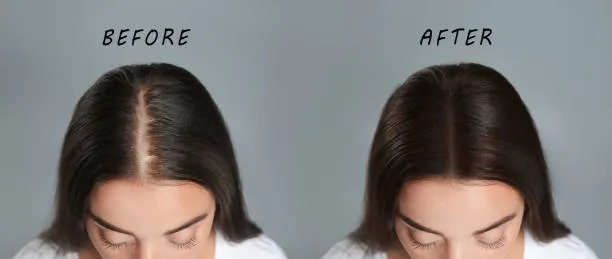
Visual before-and-after transformation of a woman with alopecia treated through advanced types of surgeries for alopecia and hair recovery.

Frequently Asked Questions

DHI offers precision; FUE covers larger areas faster.

Hair transplant is often the most effective for advanced cases.

FUE and DHI are the most recommended surgical techniques today.

FUE is ideal for advanced hair loss; PRP suits early-stage thinning.

benefits of eyebrow design

Beauty technician shaping a woman’s eyebrows with precision, emphasizing aesthetic improvements gained through the benefits of eyebrow design.

The Benefits of Eyebrow Design

The benefits of eyebrow design go far beyond shaping a pair of brows—they’re about harmonizing your entire look. When eyebrows are professionally designed, they frame the face in a way that enhances facial features, improves symmetry, and balances your face shape. Whether you’re exploring eyebrow shaping for aesthetic improvement or to restore your confidence, professional brow work can make a remarkable difference.

Face Shape Matters

One of the primary benefits of eyebrow design is how it aligns with your unique face shape. A round face may benefit from a high arch to create length, while a heart-shaped face often looks best with a softer curve. Professional artists analyze bone structure, brow shape, and proportions to tailor a design that feels completely natural to you.

Customizing your brows helps highlight your natural beauty without overpowering your features. It’s not just about what looks good in eyebrow shape pictures, but what works best with your own face.

Save Time, Feel Confident

When your brows are well-shaped, you don’t need to spend as much time filling them in or correcting asymmetries with makeup. One of the underrated benefits of eyebrow design is that it simplifies your routine. Many clients feel more confident leaving the house without makeup after having their designer eyebrows shaped or enhanced.

When Eyebrow Hair Loss Becomes a Concern

Some individuals deal with thinning eyebrows due to genetics, age, or overplucking. In such cases, the benefits of eyebrow design can be maximized with a more advanced solution like an eyebrow hair transplant. This treatment uses follicles from a donor site to restore volume and structure to the brow area.

The results are natural because the hairs are your own, and the treatment is designed to follow the natural brow shape and growth pattern. You can explore this solution further on Cancun Hair Restoration’s eyebrow transplant page.

Beauty technician shaping a woman’s eyebrows with precision, emphasizing aesthetic improvements gained through the benefits of eyebrow design.
Portrait of a woman with perfectly styled eyebrows, demonstrating facial balance achieved after applying the benefits of eyebrow design techniques.

Popular Eyebrow Designs for Females

The evolution of eyebrow designs for females now favors a more natural, full, and softly defined look. Techniques such as microblading or hair transplant follow your hair’s natural direction to enhance density and texture. If you browse eyebrow shape pictures, you’ll see the shift from ultra-thin brows to thick and sculpted ones that work with your facial features.


However, true brow design isn’t just about trends. The real benefits of eyebrow design lie in enhancing your uniqueness, not copying a standard look.

Why Choose a Hair Transplant for Eyebrows?

The benefits of eyebrow design through transplant extend beyond appearance. This permanent procedure helps those who have lost their brows due to alopecia, scarring, or natural thinning. By extracting follicles carefully and placing them strategically, a surgeon can rebuild a symmetrical and perfectly shaped brow that blends seamlessly with your features.

Learn more about this solution for eyebrow loss on Cancun Hair Restoration’s website.

Close-up of a woman with well-defined and harmonious brows, revealing confidence gained through the benefits of eyebrow design.

Frequently Asked Questions

It enhances facial features, boosts symmetry, and improves expressions.

They protect the eyes from sweat and dust and convey emotions.

They balance facial structure and support non-verbal communication.

It ensures symmetry and a personalized shape suited to your face.

prp treatment vs hair transplant

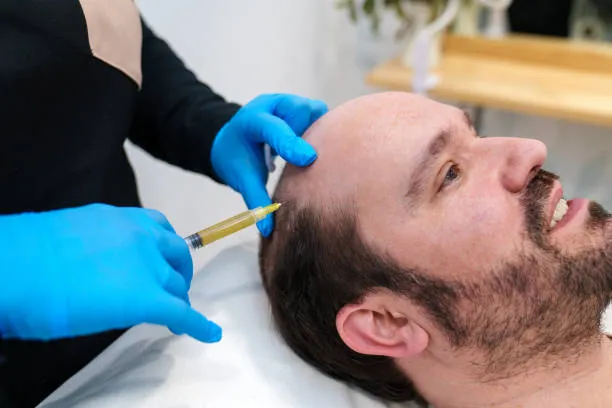
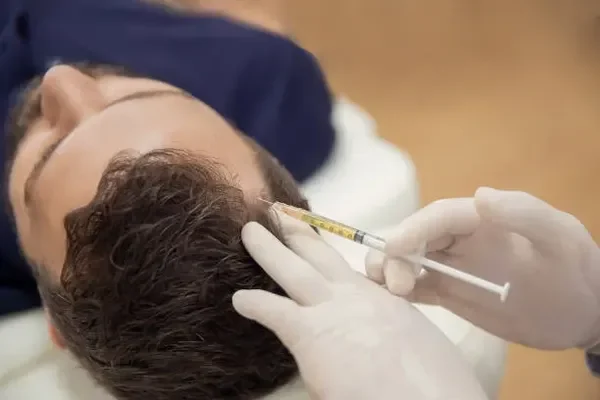
A man lying down while receiving scalp injections, showing part of the process often compared in prp treatment vs hair transplant evaluations.

PRP Treatment vs Hair Transplant: Which is Right for You?

When dealing with hair loss, one of the most important decisions you’ll face is choosing the right treatment. A common debate is PRP treatment vs hair transplant — both have proven benefits, but they cater to different needs. Whether you’re in the early stages of hair loss or facing more advanced hair thinning, understanding these options is key to restoring your confidence and appearance.

What Is PRP Treatment?

PRP, or platelet-rich plasma therapy, is a non-surgical procedure that uses your body’s own growth factors to stimulate hair growth. The process involves drawing a small amount of your blood, spinning it in a centrifuge to isolate the platelet-rich plasma, and injecting it into the areas of the scalp where hair is thinning.

PRP injections for hair loss help revitalize dormant hair follicles and improve the thickness and strength of existing hair. It’s especially effective for individuals in the early stages of hair thinning, and can be a proactive way to slow down progression.

Benefits of PRP include:

  • No downtime or recovery


  • No incisions or stitches


  • Natural stimulation of hair regrowth


  • Can be combined with other treatments for better results


A man lying down while receiving scalp injections, showing part of the process often compared in prp treatment vs hair transplant evaluations.

Learn more about this non-invasive option on our

What Is a Hair Transplant?

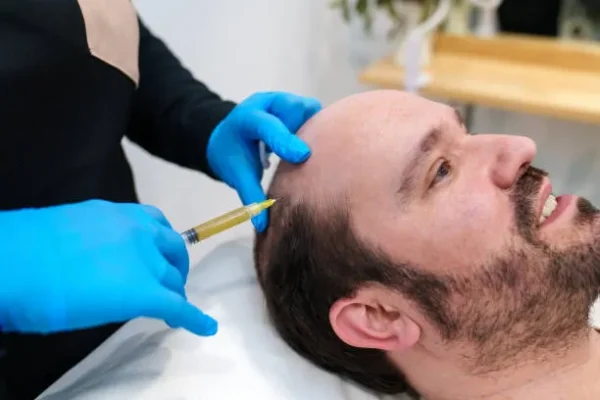
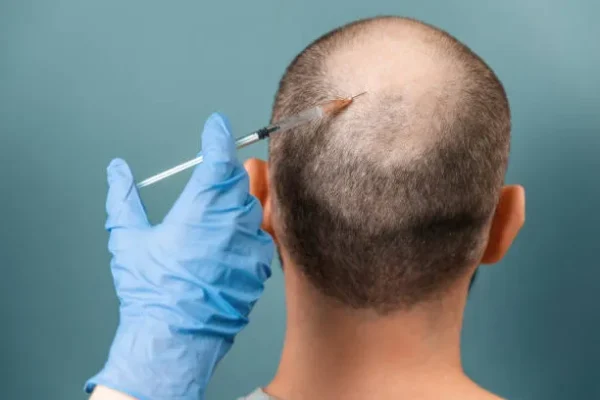
Side view of a man’s head being treated with plasma injections, offering insight into differences in prp treatment vs hair transplant methods.

On the other hand, a hair transplant is a surgical procedure that involves relocating hair follicles from a donor area (typically the back of the scalp) to balding or thinning areas. Unlike PRP, which revitalizes existing follicles, a transplant provides permanent coverage by adding new follicles where none remain.

There are several modern techniques used in hair transplant surgery, including:

  • FUE (Follicular Unit Extraction): This method extracts individual follicles with minimal scarring. It’s popular due to its precision and natural results. Explore FUE transplants


  • FUT (Follicular Unit Transplantation): Also known as the strip method, this involves removing a small strip of scalp and dissecting it into grafts. More about FUT


  • ARTAS Hair Transplant: A robotic, automated version of FUE that increases accuracy and reduces manual errors. Discover ARTAS


  • DHI (Direct Hair Implantation): A newer method that allows surgeons to implant follicles one by one directly into the scalp with a special tool. Learn more about DHI

PRP Treatment vs Hair Transplant: Key Differences

When comparing PRP treatment vs hair transplant, consider the following factors:

Feature

PRP Treatment

Hair Transplant Surgery

Type of Procedure

Non-surgical

Surgical

Recovery Time

Minimal

Several days to weeks

Ideal For

Early hair thinning

Moderate to severe baldness

Results Timeline

Gradual, over multiple sessions

Visible after 3–6 months

Use of Donor Area

Not required

Follicles from a donor site are extracted

Long-Term Solution

May require maintenance sessions

Permanent solution

Some patients even choose to combine the two: using platelet-rich plasma PRP after transplant surgery to enhance healing and improve follicle survival rates.

Check out our real-life hair restoration results to see the power of both treatments in action.

When to Choose PRP or Hair Transplant

Still wondering about PRP treatment vs hair transplant? Here’s when each makes the most sense:

Choose PRP if:

  • You are experiencing hair thinning or are in the early stages of hair loss

  • You’re looking for a non-invasive solution

  • You want to strengthen your existing hair

Choose Hair Transplant if:

  • You’ve lost significant hair volume

  • You want a permanent, natural-looking result

  • You’re a good candidate for FUE, FUT, ARTAS, or DHI procedures
A syringe filled with platelet-rich plasma ready for use, illustrating part of the tools in procedures like prp treatment vs hair transplant.

Frequently Asked Questions

Not always. PRP works better in early stages, while transplants are best for severe loss.

Not entirely. It’s an option for mild to moderate hair thinning.

Yes, it’s often recommended as a first treatment step.

 No, results require ongoing maintenance sessions.

Artas hair transplant recovery

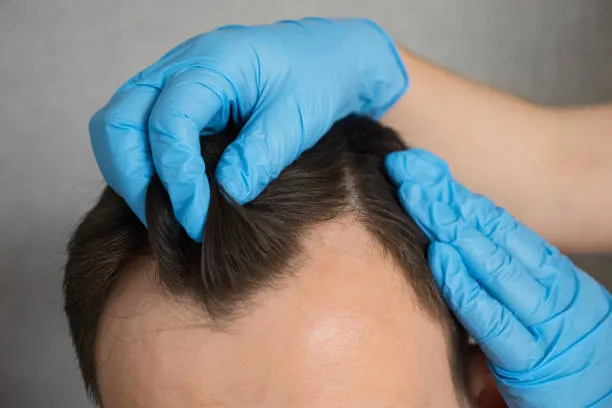
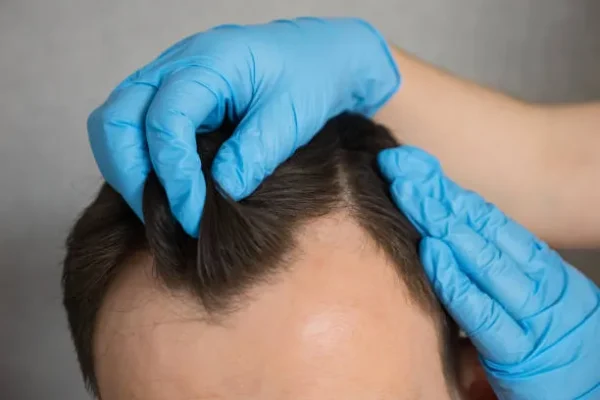
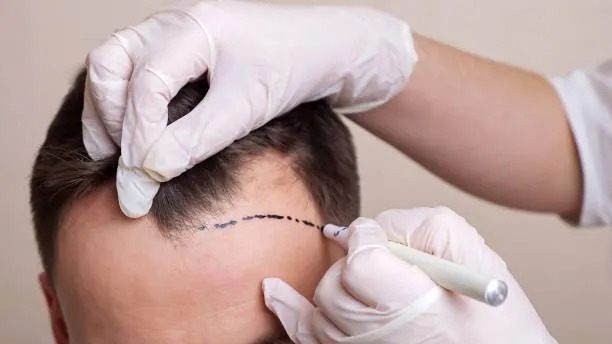
Close-up of a man’s forehead showing signs of hair loss, highlighting the ideal area to begin an artas hair transplant recovery process naturally

Artas Hair Transplant Recovery: Your Complete Guide to a Safe and Successful Healing Process

For anyone considering a robotic hair restoration treatment, understanding the full Artas hair transplant recovery process is essential. While the Artas system offers incredible precision and natural results, recovery plays a key role in achieving the best outcome. Whether you’re traveling for treatment or you’re local to Cancún, knowing what to expect and how to care for your scalp after the procedure can make a major difference.

What Makes Artas Hair Transplant Recovery Different?

The Artas robotic hair transplant surgery is a cutting-edge, minimally invasive technique that uses artificial intelligence and robotic precision to perform follicular unit extraction (robotic FUE). Because it eliminates the risk of human error, the procedure itself is extremely accurate, and the recovery process is often quicker and more comfortable than traditional methods.

Unlike other hair transplant techniques that leave noticeable scars, the Artas method avoids large incisions, allowing for faster healing of the donor area and minimal downtime.

Close-up of a man’s forehead showing signs of hair loss, highlighting the ideal area to begin an artas hair transplant recovery process naturally

The Recovery Timeline: What to Expect

Artas hair transplant recovery generally takes place in stages:

1
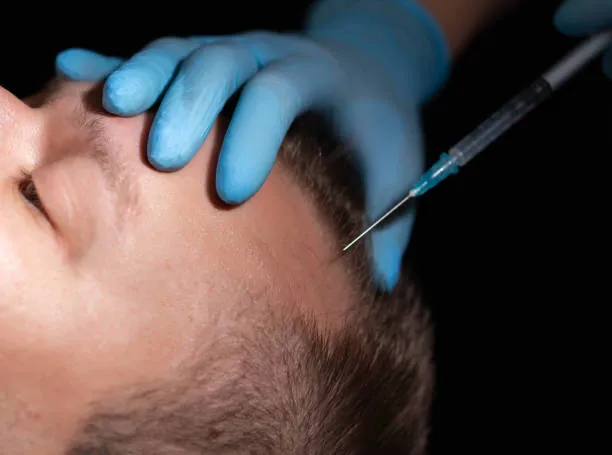
A man receiving hair injections in a clinic environment, part of the clinical procedure followed during artas hair transplant recovery sessions
Detailed view of scalp injections on a man in recovery stage, performed as part of the artas hair transplant recovery post-operative care

If you’re exploring hair transplant options, it’s important to choose a clinic that specializes in the Artas robotic hair transplant method and provides personalized recovery plans. Learn more about our full offering of hair restoration services here.

Ready to begin your Artas hair transplant recovery journey in one of the top destinations for medical tourism?

At Cancun Hair Restoration, we combine advanced technology with expert care to deliver natural, lasting results. Schedule your consultation today and take the first step toward renewed confidence.

Frequently Asked Questions

Yes, but do it gently and only if your doctor recommends it.

It has a 90% to 95% success rate when proper care is followed.

Mild discomfort can last 2 to 3 days and is easily manageable.

 Yes, but do it gently to avoid damaging the grafts.

PRP treatment

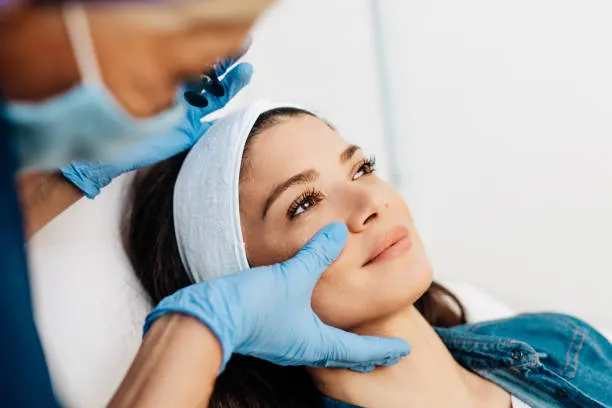
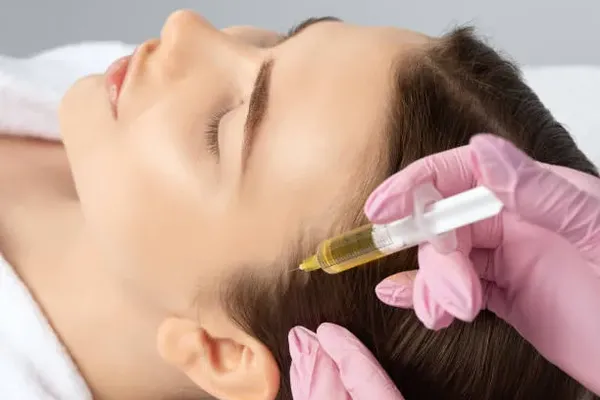
PRP injection technique applied to a woman to stimulate hair growth and reverse early-stage hair loss

Candidates for PRP Treatment: Ideal Profiles for Hair Restoration

PRP treatment has become a trusted and increasingly popular solution for individuals seeking natural and effective hair restoration options. Particularly in Cancún, Mexico, where advanced treatments are readily accessible and cost-effective, it’s essential to understand who is a good candidate for PRP and what specific conditions this therapy is best suited for. Understanding the criteria can help you determine if this regenerative approach is the right step in your hair restoration journey.

What Makes Someone a Good Candidate for PRP?

The ideal candidates for PRP treatment are typically individuals in the early stages of hair loss, where intervention can still help restore hair density and prevent further loss. You might be a suitable candidate if you:

    • Have thinning hair rather than complete baldness.
    • Maintain good general health and do not suffer from chronic scalp conditions, such as dermatitis or psoriasis.
    • Are non-smokers or willing to reduce smoking, as this improves healing outcomes.
    • Have realistic expectations and prefer a non-surgical, low-risk treatment method.

The healing process stimulated by platelet rich plasma PRP is most effective when hair follicles are still alive but inactive. PRP can reactivate these dormant follicles, helping restore volume and density.

PRP injection technique applied to a woman to stimulate hair growth and reverse early-stage hair loss

Early Signs of Hair Loss

Many patients start considering PRP injections for hair loss when they notice signs like:

    • Excessive shedding when brushing or washing hair.
    • A gradually widening part in the hair.
    • A receding hairline or thinning around the temples and crown.

PRP therapy works by using the patient’s own blood platelets to accelerate healing, reduce inflammation, and promote natural hair regrowth. It’s most effective when started early, before the follicles are entirely inactive or scarred. Early intervention offers better and longer-lasting results.

How PRP Therapy Works

Here is a simplified breakdown of the PRP procedure:

    • A small amount of your blood is drawn by a specialist.
    • The blood is placed into a centrifuge, which spins it to separate the platelet rich plasma.
    • The concentrated PRP is then carefully injected into the areas of hair loss on the scalp.

These injections help to stimulate tissue repair, nourish existing follicles, and encourage the growth of new, healthy hair.

Conditions That Benefit from PRP Treatment

oung man receiving PRP scalp treatment at a clinic as a safe solution for density loss in crown and hairline areas

While PRP treatment is well-known for hair restoration, its regenerative properties make it useful for various other medical and aesthetic purposes, including:

    • Joint pain relief: Especially effective with PRP injections for knees to reduce joint inflammation and improve mobility.
    • Facial rejuvenation: Improves skin texture, tone, and elasticity for a more youthful appearance.
    • Sports injuries: Accelerates healing of ligaments, tendons, and muscle injuries.

In the context of hair loss, platelet rich plasma therapy hair specifically targets weakened hair follicles, enhancing their function and creating a healthier scalp environment that supports sustained growth.

Is PRP Treatment Right for You?

You may be a good candidate for PRP if you:

      • Are experiencing early to moderate hair loss, including androgenic alopecia.
      • Seek a non-invasive, drug-free alternative to hair transplant surgery.
      • Are looking to complement other treatments, such as minoxidil or finasteride.
      • Do not suffer from blood disorders or are not on anticoagulant medications.

Mild side effects can occur, such as minor discomfort, swelling, or redness at the injection site, but these symptoms typically resolve within a few hours to a couple of days.

Why Choose PRP in Cancún?

Cancún has become a leading destination for medical tourism, offering top-tier clinics and professionals who specialize in PRP therapy. What sets Cancún apart is the combination of:

    • Certified and experienced medical teams.
    • State-of-the-art equipment and sterile environments.
    • More affordable treatment prices compared to many other countries.
    • A tranquil, vacation-like atmosphere that supports healing and relaxation.

Choosing PRP treatment in Cancún means receiving world-class care while enjoying the natural beauty and serenity of the Caribbean coast. Whether you’re a local resident or visiting from abroad, Cancún offers the ideal setting for restoring your hair and confidence.

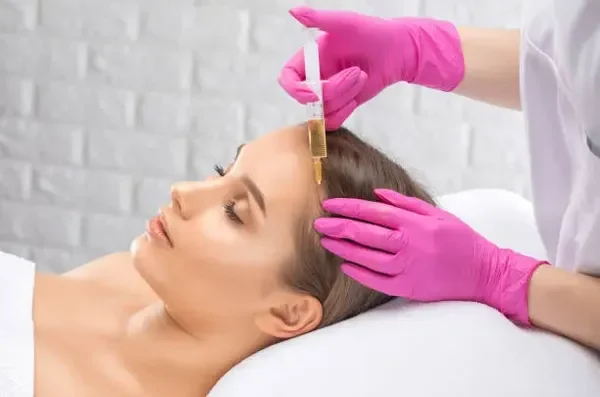
PRP hair procedure performed on a young woman as a non-surgical alternative to improve hair density

Learn More

For detailed information about our PRP services, visit our PRP Treatment page.