DHI vs FUE Hair Transplant Which One Should You Choose?

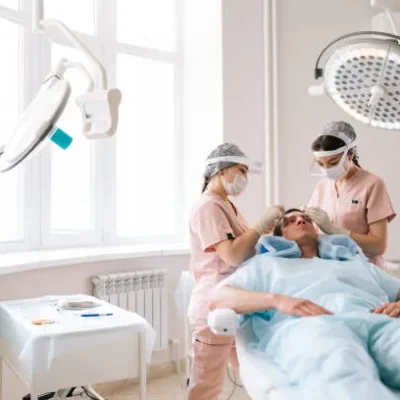
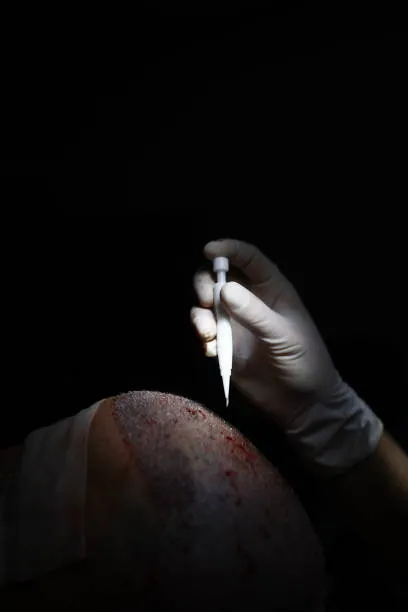
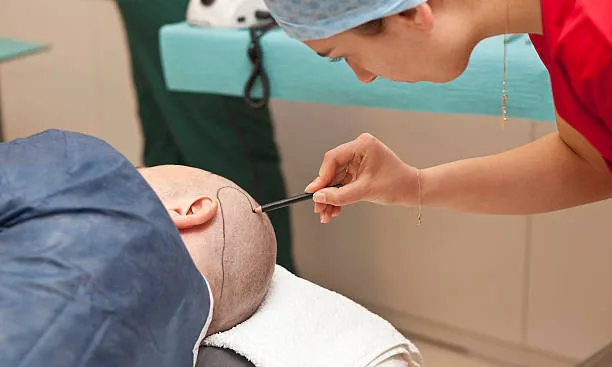
Doctor performing hair transplant procedure on a patient, demonstrating techniques and care involved in DHI vs FUE Hair Transplant.

DHI vs FUE Hair Transplant Which One Should You Choose?

If you’re thinking about restoring your hair permanently, you’ve probably come across DHI vs FUE hair transplant comparisons. Both methods are advanced, minimally invasive techniques that deliver natural results — but how do they really differ, and which one suits your needs best?

Let’s explore how each technique works, their pros and cons, cost differences, and key factors to help you decide which option is right for your hair restoration journey.

Understanding Hair Transplant Techniques

What is FUE Hair Transplant

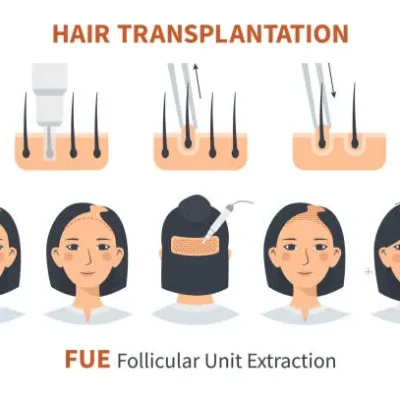
The FUE hair transplant (Follicular Unit Extraction) involves removing individual hair follicles from the donor area — usually the back of the head — and implanting them into the thinning or bald areas. This technique leaves minimal scarring and allows for quick recovery, making it one of the most popular choices worldwide.
Learn more about the process on the FUE Hair Transplant page.

What is DHI Hair Transplant

The DHI hair transplant (Direct Hair Implantation) is a more recent and refined version of FUE. In this method, extracted follicles are immediately implanted into the scalp using a specialized implanter pen. This allows for more precise control over the angle, depth, and direction of each hair.
For detailed information, visit the DHI Hair Transplant page.

Key Differences Between DHI and FUE

Extraction Method

Both DHI vs FUE hair transplant techniques extract follicles one by one. However, in FUE, the follicles are stored temporarily in a solution before implantation, while DHI implants them directly. This reduces the time follicles spend outside the body, which may improve survival rates.

Implantation Process

The FUE vs DHI hair transplant difference lies mainly in implantation. FUE requires small incisions before placing the grafts, while DHI uses an implanter pen that inserts the follicles without pre-made incisions, offering greater precision.

Healing and Recovery Time

Since DHI involves fewer incisions, recovery tends to be faster and with less discomfort. FUE, while minimally invasive, can cause minor redness for a few days longer.

Density and Natural-Looking Results

The DHI hair transplant vs FUE comparison often comes down to results. DHI provides higher density and a more natural appearance because the surgeon can control the direction and angle of each graft. FUE, however, still achieves very natural outcomes and is ideal for covering larger areas efficiently.

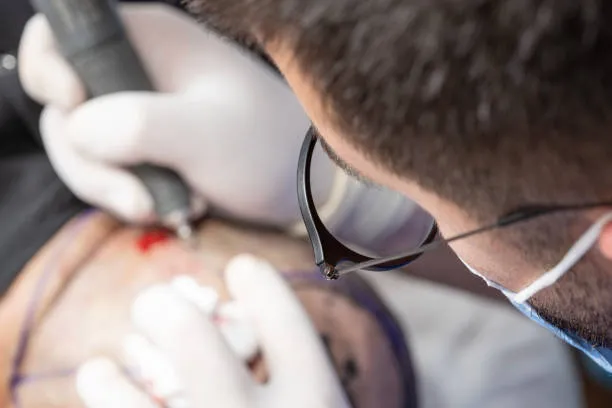
Close-up of doctor injecting hair follicles into a patient’s scalp, showcasing precision and method in DHI vs FUE Hair Transplant.

Cost Comparison DHI vs FUE

Average Cost of FUE Worldwide

Globally, FUE hair transplant prices range from $2,500 to $6,000 USD, depending on the clinic, surgeon, and number of grafts.

Average Cost of DHI Worldwide

The DHI hair transplant method usually costs between $3,000 and $8,000 USD, slightly higher due to the advanced tools and precision required.

Why DHI Is Usually More Expensive

DHI requires more time per graft and specialized training for surgeons. The use of implanter pens and the detailed nature of the procedure contribute to its higher cost — though the results often justify the investment.

Advantages of DHI Hair Transplant

Precision and Density

Because of its advanced implantation technique, DHI hair transplant allows for denser and more precise graft placement, resulting in natural and aesthetic hairlines.

Less Invasive Procedure

No pre-made incisions are required, reducing trauma to the scalp and minimizing the risk of scarring.

Faster Recovery

Patients typically return to normal activities within a few days, with minimal downtime and discomfort.

Advantages of FUE Hair Transplant

Lower Cost

Compared to DHI, FUE hair transplant is more affordable while still delivering excellent results.

Proven and Widely Available

FUE has been performed successfully for many years and is available in most hair restoration clinics worldwide.

Good for Larger Graft Sessions

Because it allows the extraction of a greater number of follicles, FUE is ideal for patients with advanced hair loss needing extensive coverage.

DHI vs FUE Which One Is Right for You

Factors to Consider

When choosing between DHI vs FUE hair transplant, consider these key aspects:

  • Budget: DHI is more expensive but offers higher density.

  • Hair loss stage: FUE works best for larger bald areas, while DHI is ideal for precision zones like the hairline.

  • Expectations: If you want maximum control and a natural finish, DHI may be worth the extra cost.

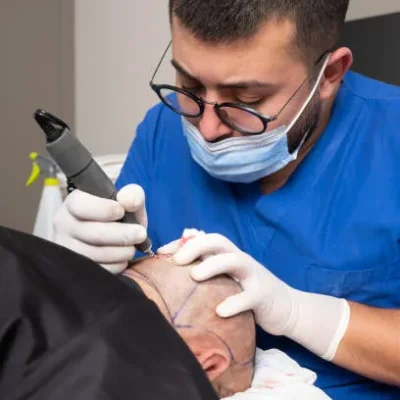
Doctor marking and drawing hairline on a male patient’s scalp, preparing for the transplant procedure in DHI vs FUE Hair Transplant.

PRP Hair Treatment Cost in Mexico and Cancun What You Should Know

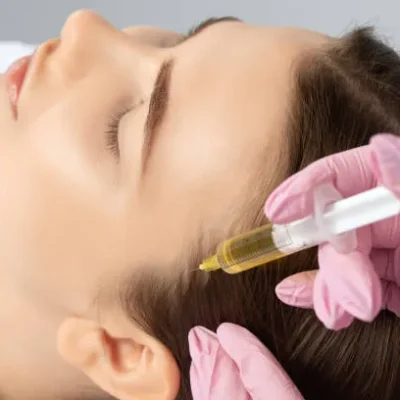
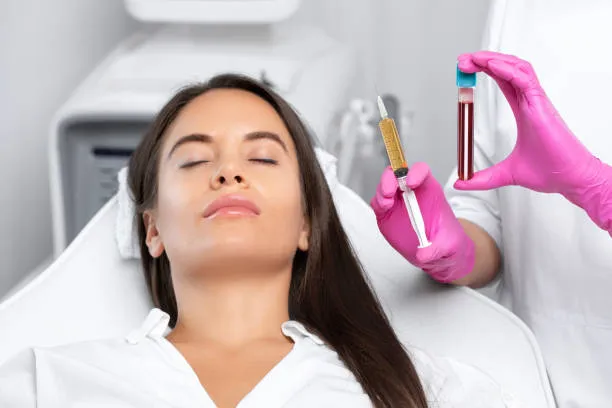
Professional doctor injecting platelet-rich plasma into a patient’s scalp, highlighting the procedure and results of the PRP Hair Treatment Cost

PRP Hair Treatment Cost in Mexico and Cancun What You Should Know

Thinking about restoring your hair’s thickness and shine without surgery? PRP hair treatment has become a game-changer for those struggling with thinning hair or early hair loss. It’s a safe, minimally invasive procedure that uses your own platelets to stimulate natural growth. But one of the most common questions people ask is: How much does PRP hair treatment cost in Mexico and Cancun?

Let’s break down the PRP hair treatment cost, compare it to prices abroad, and explore why Mexico—especially Cancun—is one of the top destinations for affordable and professional hair restoration.

What Is PRP Hair Treatment

PRP (Platelet-Rich Plasma) therapy involves drawing a small amount of your blood, processing it to concentrate the platelets, and injecting it into your scalp. These platelets release growth factors that encourage the regeneration of hair follicles, making it a natural and effective way to boost hair density.

How PRP Works for Hair Restoration

The plasma is packed with nutrients that rejuvenate weakened follicles and promote healthier hair regrowth. After a few sessions, patients notice thicker strands, reduced shedding, and improved scalp health.

Who Is a Good Candidate for PRP

    • PRP therapy works best for men and women experiencing early hair loss or thinning. It’s also an excellent option for those who want to enhance the results of other treatments like FUE or DHI hair transplants.

Average PRP Hair Treatment Cost Worldwide

Prices in the US and Europe

In the United States, PRP hair treatment price typically ranges between $1,500 and $3,500 per session, depending on the clinic and location. In Europe, you can expect to pay anywhere from €900 to €2,000 per session.

Why People Travel Abroad for PRP Therapy

Rising medical costs have pushed many to seek treatment abroad. Mexico, and particularly Cancun, offers high-quality care, modern technology, and certified specialists at a fraction of the cost—making it an attractive option for international patients.

PRP Hair Treatment Cost in Mexico

Price Range per Session

The PRP treatment for hair cost in Mexico is significantly lower, typically ranging from $200 to $400 USD per session. Some clinics offer promotional packages for multiple sessions, reducing the overall cost even more.

How Many Sessions Are Usually Needed

Most patients need between 3 and 6 sessions spaced about a month apart for optimal results. Afterward, maintenance treatments every 6 to 12 months help sustain the benefits.

Factors That Affect PRP Cost

Several factors can influence PRP treatment cost, such as:

  • The clinic’s reputation and certifications

  • The doctor’s experience and technique

  • The location (Mexico City, Cancun, Playa del Carmen, etc.)

  • Whether additional growth factors or specialized equipment are used

For accurate pricing and treatment details, it’s best to visit Cancun Hair Restoration’s PRP treatment page.

Close-up of doctor administering PRP to a patient’s scalp, showing the precision and care involved in the PRP Hair Treatment Cost procedure

PRP Hair Treatment Cost in Cancun

Why Cancun Is a Hub for Medical Tourism

Cancun has evolved into one of the top destinations for medical tourism in Mexico. Patients from the US, Canada, and Europe travel here for premium treatments at affordable rates—all while enjoying a tropical getaway.

Average Cost per Session in Cancun Clinics

The PRP hair treatment price in Cancun averages $250 to $450 USD per session, depending on the clinic. Many facilities also provide bundled deals for multiple sessions or include consultations and aftercare at no extra cost.

What’s Included in PRP Treatment Packages

Typical PRP packages in Cancun include:

  • Initial consultation and scalp analysis

  • Blood extraction and platelet separation

  • PRP injections

  • Post-treatment checkups

Some clinics also combine PRP therapy with microneedling or laser stimulation to enhance results. You can explore complete treatment options at Cancun Hair Restoration.

PRP vs Other Hair Loss Treatments Cost & Effectiveness

PRP vs DHI or FUE

While DHI and FUE are surgical hair restoration techniques that physically transplant follicles, PRP treatment is non-surgical and enhances natural regrowth. DHI and FUE often cost $3,000–$6,000, whereas PRP is far more affordable and carries no downtime.

PRP as a Complementary Therapy

PRP is also used to strengthen transplanted follicles after a hair transplant, improving healing and overall density. This makes it a powerful complementary therapy for lasting results.

Doctor preparing and applying platelet-rich plasma carefully to the patient, demonstrating the benefits of the PRP Hair Treatment Cost.

Discover Affordable PRP Hair Restoration in Cancun 🌴

If you’re ready to restore your confidence and achieve fuller, healthier hair, Mexico—especially Cancun—offers one of the most cost-effective options worldwide. From experienced specialists to personalized care, you’ll find everything you need at Cancun Hair Restoration.

Start your journey today by scheduling your consultation through the contact page and discover how PRP hair treatment can transform your look and boost your confidence. ✨

Eyebrow Hair Transplant: Restore Your Brows Naturally

DHI Hair Transplant Cost in Mexico and Cancun: Everything You Need to Know

If you’re thinking about restoring your hair but are concerned about expenses, understanding the DHI hair transplant cost is essential. From the surgical technique to regional price differences, this guide will give you a clear picture of what to expect, especially if you’re considering Mexico or Cancun as your destination.

What Is DHI Hair Transplant?

A DHI hair transplant (Direct Hair Implantation) is an advanced method of hair restoration. It allows hair follicles to be extracted and implanted with precision using the Choi pen, which ensures natural-looking results while minimizing trauma to the scalp. Unlike traditional FUE or FUT techniques, DHI doesn’t require pre-made incisions, leading to faster recovery and higher follicle survival.

How the DHI Technique Works

During the procedure, healthy hair follicles are harvested from a donor area, usually the back of the scalp. Using the Choi pen, each follicle is implanted directly into thinning or bald areas. This technique gives surgeons full control over the angle, depth, and direction of every follicle, creating a dense, natural-looking hairline.

Why DHI Is Different from FUE and FUT

    • FUE: Hair follicles are extracted, but pre-made channels are required for implantation.
    • FUT: A strip of scalp is removed and dissected into grafts, often leaving a linear scar.
    • DHI: Ensures precise placement, minimal scarring, and quicker healing compared to other methods.

Average DHI Hair Transplant Cost Worldwide

Cost in the US and Europe

In the United States and Europe, DHI hair transplant cost can range from $8,000 to $20,000, depending on the clinic, surgeon experience, and number of grafts needed. Such high prices make this advanced technique less accessible to many patients.

Why Patients Choose Mexico

Mexico has become a popular destination due to its combination of skilled surgeons, modern clinics, and affordable pricing. Many international patients from the US, Canada, and Europe travel to Mexico to get world-class treatment at a fraction of the cost.

DHI Hair Transplant Cost in Mexico

Average Prices in Major Cities

  • Mexico City: $3,500 – $7,000 USD
  • Monterrey: $3,000 – $6,500 USD
  • Guadalajara: $3,200 – $6,800 USD

These prices are significantly lower than those in the US and Europe, making Mexico an attractive option for international patients.

  •  

Factors That Influence the Cost

Several elements can affect DHI hair transplant cost Mexico:

  • Clinic reputation: High-rated clinics usually charge more.
  • Surgeon experience: More experienced surgeons can increase the cost.
  • Number of grafts: More grafts naturally raise the price.
  • Additional services: Packages including accommodation or post-op care may cost more but provide convenience.

DHI Hair Transplant Cost in Cancun

Why Cancun Is a Top Destination

Cancun offers world-class medical facilities paired with a relaxing environment for recovery. This combination makes it a leading city for medical tourism, attracting patients looking for quality and comfort.

Price Ranges in Cancun Clinics

The DHI hair transplant cost in Cancun generally ranges between $3,500 and $8,000, depending on the number of grafts and the clinic’s package.

What’s Usually Included in the Package

Many Cancun clinics offer all-inclusive packages, which typically include:

  • Initial consultation
  • Full DHI procedure
  • Accommodation for recovery
  • Post-operative follow-ups and medications

This makes traveling for treatment convenient and cost-effective.

Comparing DHI Hair Transplant Costs: Mexico vs Other Countries

Savings You Can Expect

Patients can save 50–70% by choosing Mexico over the US or Europe. This significant reduction in cost doesn’t compromise quality, as certified surgeons and modern facilities ensure safe and effective results.

Quality and Safety Standards

Modern Mexican clinics follow international medical standards, including strict sterilization protocols and advanced surgical equipment. Patients can expect excellent care without sacrificing affordability.

Is DHI Hair Transplant Worth the Cost?

Benefits of Choosing DHI

  • High follicle survival rate
  • Precision for natural results
  • Minimal scarring and faster recovery
  • Suitable for small or precise areas, like hairlines and temples

Long-Term Results

Unlike temporary treatments or older methods, DHI provides long-lasting results. Once implanted, the follicles continue to grow naturally for years, offering a permanent solution to thinning hair.

Why Choose Mexico for Your DHI Hair Transplant

Choosing Mexico, particularly Cancun, for your DHI hair transplant has multiple advantages:

  • Significant cost savings without compromising quality
  • Experienced surgeons and modern clinics
  • All-inclusive packages for convenience
  • Access to a thriving medical tourism destination

Exploring the DHI hair transplant cost in Mexico can be a smart and cost-effective decision for anyone seeking natural, lasting results. 🌟

For more details or to schedule a consultation, visit Cancun Hair Restoration or contact us here. Learn more about the procedure itself here.

Eyebrow Hair Transplant: Restore Your Brows Naturally

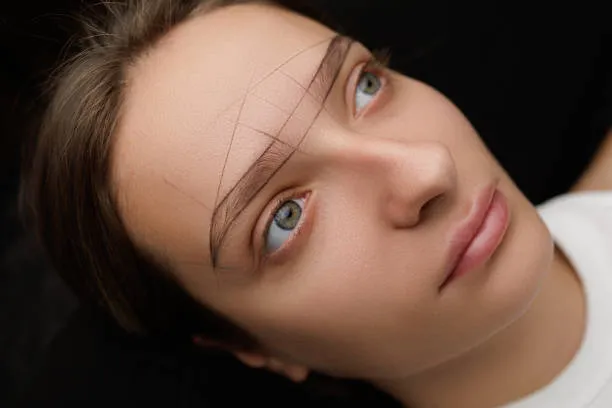
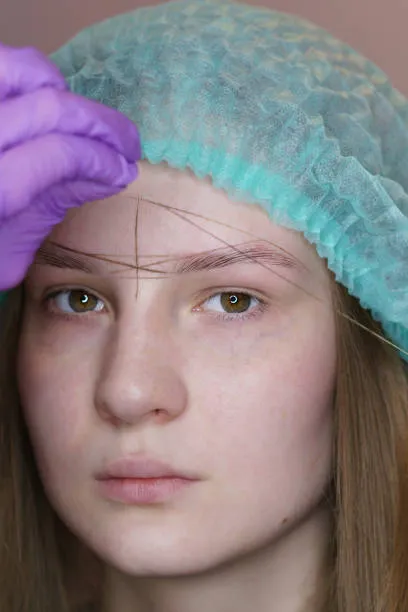
Doctor measuring eyebrow symmetry after eyebrow hair transplant procedure to ensure balanced, aesthetic, and natural-looking results.

Eyebrow Hair Transplant: Restore Your Brows Naturally

Sparse or thinning eyebrows can dramatically affect your facial appearance and confidence. Whether due to genetics, over-plucking, or medical conditions, achieving fuller brows is possible with an eyebrow hair transplant. This minimally invasive procedure provides natural-looking results and long-lasting density. In this guide, we’ll explore everything you need to know about eyebrow hair transplant, including the procedure, recovery, benefits, costs, and comparisons with alternative methods like microblading.

What Is an Eyebrow Hair Transplant?

An eyebrow hair transplant is a cosmetic procedure designed to restore or enhance the fullness of your eyebrows. Unlike temporary solutions, this technique uses your own hair follicles, usually harvested from the back of the scalp, to create natural brows.

The procedure is highly precise, allowing surgeons to replicate the natural direction and angle of eyebrow hair growth. Many patients opt for eyebrow hair transplant surgery to achieve a realistic and long-lasting outcome. Clinics in locations like Cancun offer professional services, combining expertise with advanced technology for optimal results.

Female patient having her eyebrows measured and marked before eyebrow hair transplant to achieve symmetry and a natural-looking result

How Eyebrow Transplant Surgery Works

The success of hair transplant eyebrows depends on careful planning, precise execution, and post-procedure care.

Procedure Explained Step by Step

  1. Consultation: The surgeon evaluates your facial structure, existing brow density, and donor hair quality.
  2. Design: Your desired brow shape and arch are mapped, taking into account facial symmetry.
  3. Extraction: Follicles are harvested from a donor area, typically using the FUE technique.
  4. Implantation: Each follicle is carefully implanted into the eyebrow area, following the natural hair growth direction.
  5. Aftercare: Patients receive detailed instructions to ensure proper healing and maximize follicle survival.
  6.  
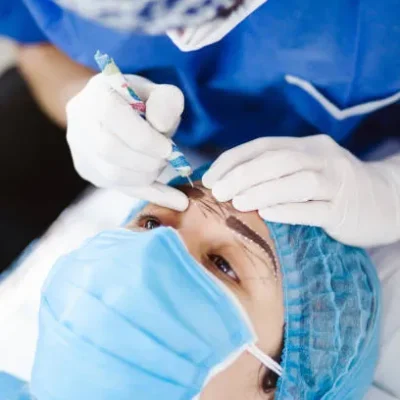
Doctor implanting hair follicles into a female patient’s eyebrows during eyebrow hair transplant to restore fullness and natural shape.

Healing and Recovery

Recovery from eyebrow hair transplant surgery is relatively quick. You may experience minor redness, swelling, or scabbing at the implantation sites, which typically heal within 7–10 days. Most patients can resume their daily routines shortly after the procedure. Full growth is visible within 4–6 months, providing durable and natural results.

Proper post-procedure care is essential to protect the transplanted follicles and ensure optimal growth. Avoiding direct sun exposure and not picking scabs can prevent complications and improve overall outcomes.

Benefits of Eyebrow Hair Transplant

There are multiple advantages to choosing an eyebrow hair transplant over temporary solutions:

  • Natural appearance: Each hair is implanted individually, creating realistic density and shape.
  • Long-lasting results: Once established, transplanted hair continues to grow naturally.
  • Minimally invasive: The procedure uses tiny grafts, minimizing discomfort and recovery time.
  • Customizable: The surgeon can tailor the shape, arch, and density to your preference.
  • No need for daily maintenance: Unlike makeup or microblading, results are permanent and require minimal upkeep.

For those seeking a permanent solution to thinning or sparse brows, this procedure offers unmatched precision and results.

Eyebrow Transplant vs Microblading

While microblading and hair transplant to eyebrows may both enhance brows, they differ significantly:

Feature

Eyebrow Hair Transplant

Microblading

Technique

Surgical implantation of real hair

Tattoo-like pigment application

Longevity

Permanent

1–3 years

Appearance

Natural hair growth

Semi-permanent, can fade over time

Maintenance

Minimal

Requires touch-ups

Choosing between the two depends on your goals, lifestyle, and preference for natural hair growth versus semi-permanent cosmetic enhancement.

Risks and Side Effects

Though generally safe, eyebrow hair transplant carries some potential risks:

  • Minor swelling or redness
  • Temporary scabbing or crusting
  • Mild itching during the healing process
  • Rare infection if post-care guidelines are not followed

Selecting an experienced clinic significantly reduces these risks and ensures the best results.

Eyebrow Hair Transplant Cost

The cost of hair transplant to eyebrows varies depending on factors such as:

  • Number of grafts required
  • Clinic reputation and location
  • Surgeon’s experience

Investing in a qualified clinic guarantees higher success rates and natural results. Many clinics offer flexible financing plans to make the procedure more accessible. For more details, visit Eyebrow Hair Transplant or contact us.

Before and After Eyebrow Transplant Results

Before-and-after photos from eyebrow hair transplant surgery often show dramatic improvements:

  • Fuller, natural-looking brows
  • Enhanced facial symmetry
  • Boosted confidence and self-esteem

Most patients report satisfaction with the realistic and lasting results of their eyebrow restoration. Following post-procedure guidelines ensures optimal hair growth and longevity.

Doctor measuring eyebrow symmetry after eyebrow hair transplant procedure to ensure balanced, aesthetic, and natural-looking results.

Is Eyebrow Hair Transplant Right for You?

If you’re looking for a long-term solution to sparse or thinning brows, eyebrow hair transplant offers precision, natural results, and minimal downtime. Unlike temporary cosmetic options, it provides real hair growth that blends seamlessly with your facial features.

Is FUE the Best Choice?

Restore your brows naturally and elevate your confidence! 🌟 Learn more about eyebrow hair transplant by visiting Cancun Hair Restoration or schedule a consultation here.

FUE Hair Transplant: The Most Popular Hair Restoration Technique

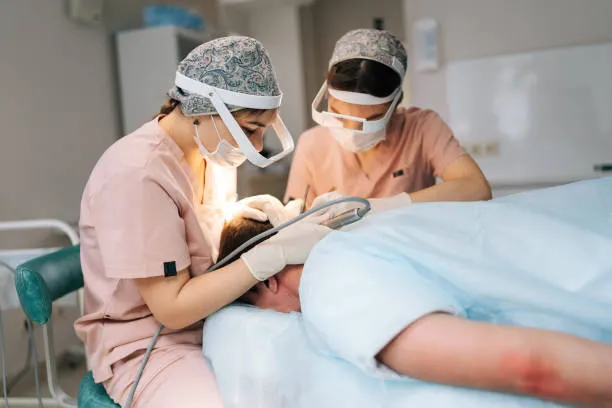
Two doctors working together to perform FUE hair transplant, carefully implanting hair grafts to restore the patient’s hairline and density.

FUE Hair Transplant: The Most Popular Hair Restoration Technique

Dealing with thinning hair or a receding hairline can be frustrating and impact your confidence. One of the most effective and sought-after solutions today is the FUE hair transplant. Known for its minimally invasive approach and natural-looking results, FUE has become the go-to technique for hair restoration. But what sets it apart from other methods, and what should you expect from the procedure? In this guide, we’ll cover everything about FUE hair transplant, including the process, benefits, recovery, costs, and results.

What Is FUE Hair Transplant?

FUE stands for Follicular Unit Extraction. It is a surgical procedure where individual hair follicles are removed from a donor area, usually the back or sides of the scalp, and transplanted to thinning or balding areas. Unlike older methods, FUE doesn’t leave a long linear scar, which makes it appealing for those looking for discreet results.

Many patients choose FUE hair transplant Mexico, particularly in cities like Cancun, because of experienced surgeons and cost-effective treatment options. Clinics offering FUE hair transplant Cancun Mexico provide customized plans to match each patient’s hair type, density goals, and desired hairline.

Two doctors working together to perform FUE hair transplant, carefully implanting hair grafts to restore the patient’s hairline and density.

How the FUE Technique Works

The FUE process involves the careful extraction and implantation of individual hair follicles. Precision is key to ensure a natural appearance and long-lasting growth.

Step-by-Step Procedure

  1. Consultation: The surgeon evaluates your hair loss, donor hair quality, and estimates the number of grafts required.
  2. Preparation: The donor area is shaved, cleansed, and sterilized. Local anesthesia is applied to minimize discomfort.
  3. Extraction: Each follicle is removed using a tiny punch tool, usually 0.7–1.0 mm in diameter.
  4. Implantation: Follicles are placed into recipient areas with precise angles and directions to mimic natural growth patterns.
  5. Post-procedure care: Detailed aftercare instructions are provided to optimize healing and follicle survival.
Medical team implanting follicular units into the patient’s scalp during FUE hair transplant procedure to ensure even coverage and natural results.

Healing and Recovery Time

Recovery from FUE hair transplant is generally smooth. Mild redness, swelling, or scabbing may appear at donor and recipient sites but usually resolve within 7–10 days. Most patients can return to daily activities within a few days, while full hair growth becomes noticeable within 6–12 months.

Proper aftercare includes avoiding direct sun exposure, harsh chemicals, and strenuous activities for the first few weeks. Following your clinic’s guidelines can significantly improve results.

Benefits of FUE Hair Transplant

The advantages of FUE hair transplant make it a popular choice among patients:

  • Minimally invasive: Small punch tools mean less pain and minimal scarring.
  • Natural-looking results: Each follicle is individually implanted for realistic growth patterns.
  • Quick recovery: Patients can resume normal activities faster than with traditional methods.
  • High success rate: Experienced surgeons ensure high follicle survival rates.
  • Customizable density: Surgeons can adjust the angle, direction, and spacing of follicles.
  • Long-lasting: Once transplanted, hair grows naturally for years.
  • Ideal for precision areas: Excellent for frontal hairlines or small thinning patches.

These benefits explain why FUE continues to be the preferred method over traditional FUT or non-surgical options.

Possible Side Effects

Although safe, FUE hair transplant can involve some temporary side effects:

  • Mild swelling or redness
  • Tenderness or soreness at donor and recipient areas
  • Small scabs that naturally fall off
  • Rare cases of infection if post-procedure care is not followed

Selecting a reputable clinic like those offering FUE hair transplant Cancun Mexico reduces risks and ensures higher quality results.

Who Is a Good Candidate for FUE?

Ideal candidates for FUE hair transplant include:

  • Individuals experiencing thinning hair or bald patches
  • Patients with healthy donor hair
  • Those seeking natural-looking, long-term results
  • People wanting minimal downtime and quicker recovery

Patients with unrealistic expectations, active scalp infections, or certain medical conditions should consult a specialist before undergoing the procedure.

Cost of FUE Hair Transplant

The cost of FUE hair transplant Mexico varies depending on several factors:

  • Number of grafts needed
  • Clinic reputation and location
  • Experience of the surgeon

Investing in a qualified clinic ensures higher success rates and reduces potential complications. Many clinics provide flexible payment options to make the procedure more accessible. For more details, visit FUE Hair Transplant or contact us.

FUE Hair Transplant Results and Success Rate

Before-and-after photos from FUE hair transplant Cancun Mexico often showcase impressive transformations:

  • Fuller and denser hair coverage
  • Natural-looking hairlines
  • Improved thickness and scalp coverage

Most patients report increased confidence and satisfaction with their appearance. Long-term success depends on following post-procedure care instructions and maintaining a healthy lifestyle.

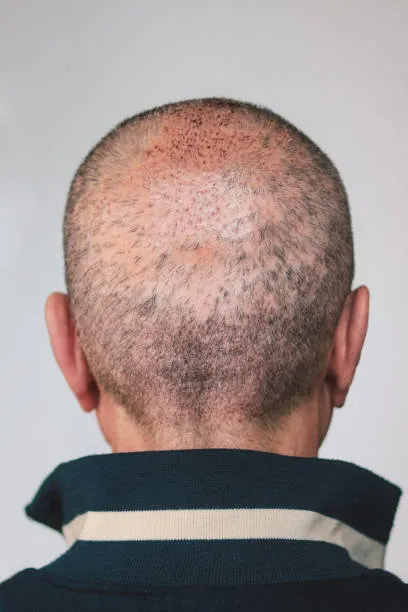
Close-up of a man’s scalp after FUE hair transplant showing fuller coverage and natural results from the follicular unit extraction technique.

Maximizing FUE Results

To ensure optimal results after a FUE hair transplant:

  • Follow all post-procedure instructions carefully
  • Avoid smoking and alcohol in the initial healing period
  • Protect the scalp from direct sunlight
  • Maintain a balanced diet rich in vitamins and minerals
  • Schedule follow-up appointments with your surgeon

Adhering to these guidelines enhances follicle survival and ensures long-lasting hair growth.

Is FUE the Best Choice?

If you want a minimally invasive, effective, and natural solution to hair loss, FUE hair transplant is a top choice. With experienced surgeons available in Cancun and other regions of Mexico, patients can achieve excellent results with minimal downtime.

Start your hair restoration journey today! 🌟 Discover how FUE Hair Transplant can transform your appearance and confidence. For personalized guidance, feel free to contact us.

FUT Hair Transplant Everything You Need to Know

PRP Treatment for Hair Loss: Does It Really Work?

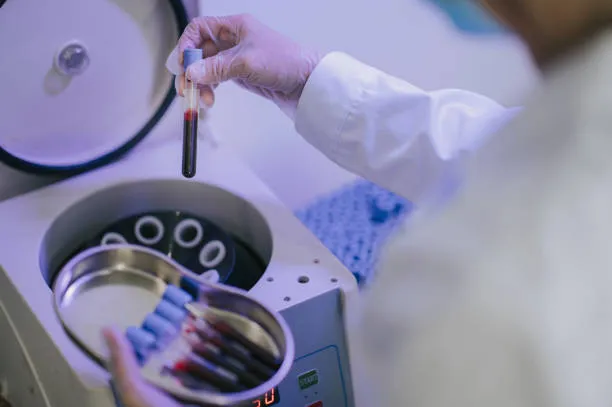
Doctor preparing a medical centrifuge machine for PRP treatment by placing the blood sample that will be processed to extract platelet-rich plasma.

PRP Treatment for Hair Loss: Does It Really Work?

Dealing with hair thinning or bald patches can be frustrating and affect confidence. One popular solution gaining attention is PRP treatment for hair. This innovative therapy uses your own blood to stimulate hair growth naturally, offering an alternative to surgical options. But how does it work, and what can you realistically expect? In this guide, we’ll break down the procedure, benefits, costs, and results of PRP hair treatment so you can decide if it’s the right option for you.

What Is PRP Treatment?

PRP stands for Platelet-Rich Plasma. It’s a therapy designed to rejuvenate hair follicles by using your own blood. A small amount of blood is drawn and processed in a centrifuge to concentrate platelets, which are then injected into the scalp. Platelets are rich in growth factors that help repair and stimulate dormant hair follicles.

Many patients choose PRP hair treatment in Mexico, particularly in Cancun, for its combination of advanced technology, skilled specialists, and cost-effective care. This treatment is non-surgical, minimally invasive, and suitable for those who want natural-looking results without significant downtime.

Doctor preparing a medical centrifuge machine for PRP treatment by placing the blood sample that will be processed to extract platelet-rich plasma.

How PRP Works for Hair Loss

The science behind PRP hair treatment is based on the regenerative properties of platelets. When injected into thinning areas, platelets release growth factors that:

  • Strengthen hair follicles
  • Improve blood flow to the scalp
  • Stimulate new hair growth
  • Enhance hair thickness and shine

Unlike hair transplants, which move follicles from one area to another, PRP focuses on improving the health and performance of your existing follicles, making it ideal for early-stage hair loss.

The Procedure Step by Step

  1. Blood Collection: A small blood sample is taken from your arm.
  2. Processing: Blood is spun in a centrifuge to separate platelet-rich plasma from other components.
  3. Scalp Preparation: The targeted areas are cleaned and numbed with a local anesthetic.
  4. Injection: Platelet-rich plasma is injected into areas with thinning hair using fine needles.
  5. Aftercare: Mild redness or swelling may appear, usually resolving within a few days.

The process typically lasts 30–60 minutes, is relatively painless, and allows patients to resume their regular activities shortly after treatment.

How Many Sessions Are Needed?

For optimal results, most patients require 3–4 sessions spaced 4–6 weeks apart. After the initial series, maintenance treatments every 4–6 months may be recommended. The number of sessions depends on the severity of hair loss and individual response to treatment.

Benefits of PRP Therapy

The advantages of PRP hair treatment include:

  • Non-surgical: No incisions or anesthesia required.
  • Natural: Uses your own blood, minimizing the risk of allergic reactions.
  • Minimally invasive: Quick recovery and minimal discomfort.
  • Promotes hair density: Strengthens and thickens existing follicles.
  • Customizable: Can target specific areas like the crown or frontal hairline.
  • Long-lasting results: Regular maintenance encourages sustained hair growth.

Patients often report improved hair texture, fuller coverage, and increased self-confidence.

Female doctor performing PRP treatment by injecting platelet-rich plasma into a woman’s face to rejuvenate skin and improve elasticity.

PRP Treatment vs Hair Transplant

While PRP treatment for hair stimulates existing follicles, hair transplants relocate follicles from donor to recipient areas. Key differences include:

  • Invasiveness: PRP is minimally invasive; transplants are surgical.

  • Recovery: PRP requires little downtime; transplants involve longer healing.

  • Results: PRP enhances existing hair; transplants add new hair.

  • Cost: PRP sessions are typically less expensive than surgical procedures.

For individuals with mild to moderate hair loss, PRP hair treatment in Cancun may be a more convenient first step.

Side Effects and Safety

PRP hair treatment is considered safe since it uses your own blood. Potential side effects include:

  • Mild redness, swelling, or tenderness at injection sites
  • Temporary itching or discomfort
  • Rare infection

Choosing an experienced clinic reduces risks and ensures proper technique.

Cost of PRP Treatment

The cost of PRP hair treatment in Mexico varies depending on the number of sessions, clinic reputation, and expertise of the provider. Investing in a certified clinic ensures effective results and minimizes complications. For more details on pricing, visit PRP Hair Treatment Cost.

PRP Before and After Results

Patients often notice visible improvements after 2–3 sessions:

  • Thicker and stronger hair strands

  • Fuller coverage in thinning areas

  • Healthier scalp condition

Consistent treatment and following post-care instructions maximize results, allowing long-term benefits.

Female doctor injecting PRP treatment into a woman’s scalp, stimulating hair follicles and promoting new growth for hair restoration therapy.

Is PRP the Right Solution?

If you’re looking for a minimally invasive, natural, and effective solution for hair loss, PRP treatment for hair may be the right choice. Clinics in Cancun provide experienced specialists, modern facilities, and personalized care to ensure the best results.

Start your journey toward thicker, healthier hair today! 🌟 Learn more about PRP Treatment or contact us for a personalized consultation.

DHI Hair Transplant: The Most Advanced Hair Restoration Method?

Close-up view of a doctor placing hair grafts using DHI hair transplant technique, achieving even distribution and natural-looking coverage.

DHI Hair Transplant: The Most Advanced Hair Restoration Method?

Are you struggling with thinning hair or a receding hairline? The DHI Hair Transplant has become one of the most popular and advanced solutions for hair restoration. Offering natural-looking results with minimal downtime, this innovative technique allows patients to regain confidence and a fuller head of hair. In this guide, we’ll explore everything you need to know about DHI Hair Transplant, including the procedure, recovery, benefits, risks, costs, and how it compares to other methods.

What Is DHI Hair Transplant?

DHI Hair Transplant stands for Direct Hair Implantation. Unlike traditional methods, this technique implants hair follicles directly into thinning areas without the need for pre-made incisions. This allows for precise placement, less trauma to the scalp, and faster recovery.

Many patients choose DHI Hair Transplant Mexico, especially in destinations like Cancun, where clinics combine advanced technology with experienced surgeons. Whether you’re aiming to restore a receding hairline or cover thinning areas, DHI Hair Transplant can offer natural density and excellent results.

How the DHI Technique Works

The DHI Hair Transplant procedure involves two main steps: harvesting and implantation. Healthy hair follicles are extracted from a donor area, usually the back of the scalp, and implanted into the recipient area using specialized tools.

The Choi Pen Method Explained

A crucial tool in the DHI Hair Transplant process is the Choi pen. This device allows:

  • Simultaneous extraction and implantation of follicles
  • Precise control over the angle, depth, and direction of each follicle
  • Minimal scalp trauma
  • High follicle survival rates

Thanks to the Choi pen, patients achieve dense, natural-looking hairlines that are challenging to replicate with traditional FUE or FUT techniques.

Recovery Time and Healing

Recovery is generally smooth. Patients may experience mild redness, swelling, or small scabs at implantation sites, which typically heal within 7–10 days. Most can resume normal activities almost immediately, while full hair growth becomes noticeable in 6–12 months.

Proper aftercare is essential for optimal results. Clinics offering DHI Hair Transplant Cancun Mexico provide detailed post-procedure instructions to ensure maximum follicle survival.

Male doctor implanting hair follicles one by one into the scalp during DHI hair transplant, ensuring accuracy and natural hairline results.

Benefits of DHI Hair Transplant

The advantages of DHI Hair Transplant include:

  • Natural results: Each follicle is implanted individually for a realistic appearance.
  • Minimally invasive: No large incisions mean minimal scarring.
  • High success rate: Follicle survival is improved with the Choi pen.
  • Quick recovery: Patients can return to daily life faster than with traditional methods.
  • Customizable: The angle, direction, and density can be tailored to your needs.
  • Long-lasting results: Once implanted, follicles continue to grow naturally.
  • Ideal for small or precise areas: Perfect for frontal hairlines or thinning patches.
Doctor measuring the patient’s scalp to design the hairline and plan graft placement before starting the DHI hair transplant procedure.

Risks and Considerations

While DHI Hair Transplant is generally safe, potential risks include:

  • Temporary swelling or redness

  • Minor bleeding at donor or recipient sites

  • Rare infections

  • Occasional follicle rejection

Choosing a reputable clinic in Cancun, Mexico, significantly reduces these risks.

Who Is an Ideal Candidate for DHI?

The ideal candidate for DHI Hair Transplant:

  • Experiences thinning hair or bald patches
  • Has healthy donor hair
  • Wants natural-looking results
  • Expects long-term outcomes
  • Prefers minimal downtime

Patients with scalp conditions or unrealistic expectations should consult a specialist before proceeding.

DHI Hair Transplant Cost

The cost of DHI Hair Transplant Cancun Mexico varies depending on:

  • Number of grafts required
  • Clinic reputation and location
  • Surgeon’s experience

Investing in a qualified clinic ensures high-quality results and reduces the risk of complications. Many clinics offer flexible financing to make the procedure more accessible.

DHI vs FUE vs FUT: Key Differences

Feature

DHI

FUE

FUT

Technique

Direct implantation with Choi pen

Follicle extraction & pre-made sites

Strip harvesting

Scarring

Minimal

Small dot scars

Linear scar

Recovery

Faster

Moderate

Longer

Density

High

Moderate

Moderate

Ideal for

Precise hairline & density

General thinning

Large coverage areas

For patients seeking precision and maximum density, DHI Hair Transplant is often the preferred option.

DHI Before and After Results

Before and after photos of DHI Hair Transplant Mexico highlight impressive transformations: dense hairlines, fuller coverage, and a completely natural appearance. Patients often report increased confidence and satisfaction with the look and feel of their hair.

Close-up view of a doctor placing hair grafts using DHI hair transplant technique, achieving even distribution and natural-looking coverage.

Maintenance and Long-Term Care

Post-procedure care is essential:

  • Follow all post-op instructions carefully
  • Avoid harsh chemicals and heat styling initially
  • Attend regular check-ups with your surgeon
  • Maintain a healthy diet and lifestyle for stronger hair growth

By adhering to these guidelines, patients enjoy long-lasting, high-density results.

Is DHI Worth It?

If you want precision, high follicle survival, and natural results, DHI Hair Transplant is a top choice. Clinics in Cancun combine cutting-edge technology with expert surgeons to deliver consistent, reliable outcomes.

Start your hair restoration journey today! 🌟 Discover how DHI Hair Transplant can transform your appearance and confidence. Visit Cancun Hair Restoration to learn more or contact us for a personalized consultation. For detailed information about the procedure, check our DHI Hair Transplant page.

FUT Hair Transplant: Procedure, Benefits, and Results

Side-by-side comparison showing a woman before and after FUT hair transplant, highlighting fuller and natural-looking hair restoration results.

FUT Hair Transplant: Procedure, Benefits, and Results

Hair loss can be a frustrating experience, affecting confidence and overall self-esteem. Luckily, FUT Hair Transplant offers a reliable and permanent solution for restoring natural-looking hair. Unlike temporary treatments, this method focuses on precise transplantation of hair follicles to areas where hair is thinning or absent. In this article, we’ll guide you through how FUT Hair Transplant works, its advantages, the recovery process, costs, and what results you can realistically expect. Whether you’re exploring options for the first time or considering alternatives like FUT Hair Transplant Mexico, understanding the procedure helps you make an informed decision.

What Is FUT Hair Transplant?

FUT Hair Transplant, or Follicular Unit Transplantation, is a surgical technique used to restore hair density. The procedure involves removing a thin strip of scalp from a donor area—usually the back of the head—where hair growth is dense. Individual hair follicles are then carefully extracted and transplanted into balding or thinning areas.

This method is ideal for patients needing coverage over larger areas, offering higher follicle yield than some other techniques. The transplanted hair continues to grow naturally, blending seamlessly with existing hair.

Why Choose FUT?

  • Covers extensive bald areas efficiently
  • Produces natural hairline and density
  • Minimizes the need for repeated sessions
Side-by-side comparison showing a woman before and after FUT hair transplant, highlighting fuller and natural-looking hair restoration results.

How the FUT Technique Works

Step-by-step procedure

  1. Consultation and planning: The surgeon evaluates your hair loss pattern and donor area.
  2. Donor strip removal: A thin section of scalp is carefully excised.
  3. Dissection of follicles: Individual hair follicles are separated under  a microscope.
  4. Recipient site preparation: Tiny incisions are made in the balding area.
  5. Follicle implantation: Hair follicles are transplanted and aligned for natural growth.

Recovery process

Recovery is generally smooth:

  • Mild soreness or swelling in the donor area for a few days
  • Stitches are removed after 10-14 days
  • Most patients return to normal activities within a week
  • Avoid heavy exercise or sun exposure for the first month

Proper post-procedure care ensures the best results, minimizing risks of infection or scarring.

Detailed medical illustration of FUT hair transplant explaining step by step how donor hair is extracted and implanted to restore hairline density.

Advantages of FUT Hair Transplant

Choosing FUT Hair Transplant has several key benefits:

  • Higher follicle yield: Ideal for large areas of hair loss

  • Permanent results: Once transplanted, follicles continue growing naturally

  • Cost-effective for extensive restoration compared to other methods

  • Precision placement: Allows creation of a natural-looking hairline

  • Versatility: Can be combined with other hair restoration techniques

Patients seeking FUT Hair Transplant Cancun Mexico often choose this method due to its reliability and effectiveness in achieving dense, natural hair.

Possible Side Effects and Risks

Although safe, the procedure may involve minor side effects:

  • Temporary numbness in the donor area
  • Redness or swelling
  • Scarring along the donor strip
  • Rare infections (preventable with proper care)

It’s essential to follow post-operative instructions and maintain hygiene to minimize risks.

Who Is a Good Candidate for FUT?

The ideal candidate is:

  • Experiencing significant hair thinning or baldness
  • Having a healthy donor area with sufficient hair density
  • Seeking permanent, natural results
  • Free from scalp conditions that could complicate surgery

Your surgeon can evaluate suitability and recommend whether FUT Hair Transplant is the most effective option for your needs.

FUT Hair Transplant Cost Factors

The cost depends on:

  • Number of grafts required
  • Complexity of the procedure
  • Clinic location and surgeon expertise
  • Type of anesthesia used

Clinics offering FUT Hair Transplant Mexico often provide competitive pricing without compromising quality. Cancun is particularly popular due to its combination of experienced surgeons and modern facilities.

FUT Before and After Results

Results are gradual but impressive:

  • 3-6 months: Initial hair growth visible

  • 6-12 months: Full hair density develops

  • Transplanted hair grows naturally, blending with existing hair

Patients often report increased confidence and satisfaction with their restored hairline. For real examples, visit FUT Hair Transplant Cancun Mexico.

Recovery Tips for the Best Results

  • Follow your surgeon’s instructions precisely
  • Keep the donor area clean and avoid scratching
  • Avoid direct sun exposure and strenuous activities for a few weeks
  • Take prescribed medications to prevent infection and promote healing

Is FUT the Right Choice?

FUT Hair Transplant is ideal for those seeking permanent hair restoration with high follicle yield and natural-looking results. It’s especially effective for larger bald areas and provides a cost-efficient solution without repeated procedures.

If you’re considering this treatment, explore your options at Cancun Hair Restoration and request a consultation today via Contact Us. With expert guidance, personalized planning, and professional care, you can restore your hair and confidence. ✨