
Is a Hair Transplant a Permanent Solution for Hair Loss?
For many people struggling with hair loss, hair transplant procedures provide a sense of hope. But a common question remains: “Does hair transplant last forever?” This article explores whether a hair transplant is a permanent solution to hair loss and what factors contribute to its long-term success.

What Is a Hair Transplant?
A hair transplant involves moving hair follicles from a donor area (usually the back of the head) to areas affected by hair loss, such as a receding hairline or bald patches. There are two main methods used in hair transplant surgeries:
- Follicular Unit Extraction (FUE): Involves extracting individual hair follicles and transplanting them to the thinning area.
- Follicular Unit Transplantation (FUT): A strip of skin containing hair follicles is removed from the donor area and then transplanted.
Both FUE hair transplant and FUT are widely used and have shown great results in achieving a fuller head of hair.
Does Hair Transplant Last Forever?
One of the most frequently asked questions is whether a hair transplant is permanent. In general, transplanted hair follicles are considered permanent because they are taken from areas not typically affected by pattern baldness. These hairs are genetically resistant to hair loss and will continue to grow in their new location, providing a long-term solution.
However, there are some factors to consider:
- Genetics: The effectiveness of a successful hair transplant may depend on the progression of your hair loss. While transplanted hair is resistant, surrounding existing hair may still thin over time.
- Aging: As you age, your hair’s density may decrease. This is a natural process and could affect the overall appearance of the transplant.
- Care and Maintenance: Proper care is crucial for ensuring hair transplant permanent results. Consulting with a qualified hair transplant surgeon and following their advice can greatly improve outcomes.
Understanding the Hair Restoration Process
Hair restoration is an intricate process that requires both the skill of an experienced hair transplant surgeon and realistic expectations from the patient. After the procedure, the recovery time is an important phase where the transplanted hair follicles settle into their new location. Initially, the transplanted hair will fall out—a process called “shock loss.”
But over the next few months, the follicles will continue to grow, ultimately creating a fuller head of hair.
Types of Hair Transplant Procedures
Follicular Unit Extraction (FUE)
The FUE hair transplant method involves the extraction of individual hair follicles from the donor area and their transplantation to balding areas. This technique is less invasive and leaves minimal scarring, making it a preferred choice for many. The long-term results are generally positive, especially when performed by a skilled hair transplant surgeon.
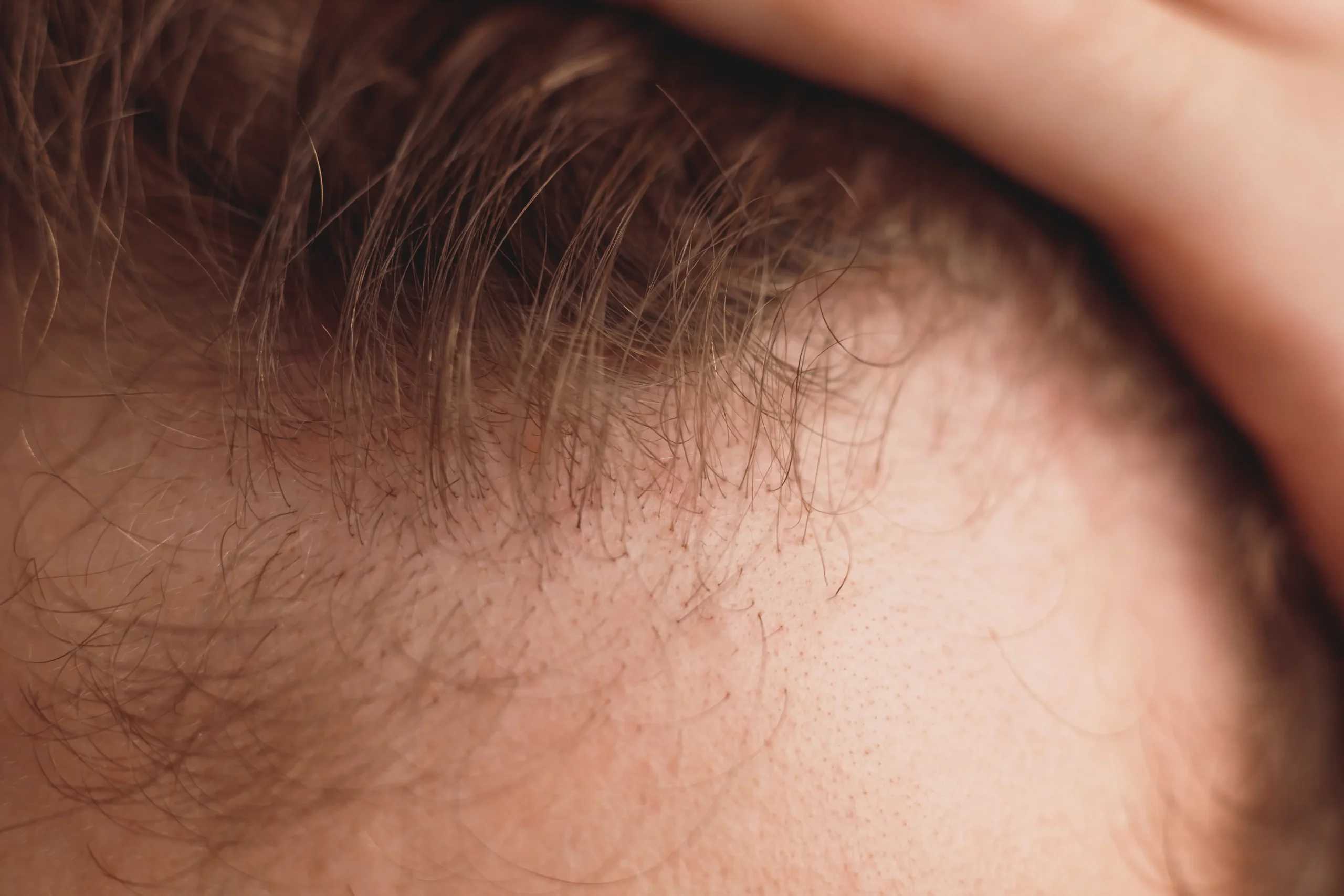
Follicular Unit Transplantation (FUT)
Another popular method is Follicular Unit Transplantation (FUT), which involves removing a strip of skin from the donor area. The strip is dissected into individual follicular units and implanted in the thinning or bald areas. While this procedure may leave a linear scar, it is effective for patients needing a larger number of transplanted hair follicles.
Benefits of Hair Transplants as a Permanent Solution
- Natural Look: With advancements in technology, hair transplant procedures can achieve a natural appearance that blends seamlessly with your existing hair.
- Permanent Results: Since the donor area is typically resistant to the effects of pattern baldness, the transplanted hair is likely to be long term and permanent.
- Improved Confidence: A fuller head of hair can significantly boost self-esteem, helping individuals regain confidence in their appearance.

Is a Hair Transplant Right for You?
Deciding to undergo a hair transplant is a personal decision that should be made with careful consideration. Factors such as the extent of your receding hairline, the quality of your donor area, and your expectations for a fuller head of hair are all important to consider. Consulting with a professional can help determine whether this permanent solution aligns with your needs and desired outcomes.
For more information about hair restoration and to find out if a hair transplant is the right solution for you, visit Cancun Hair Restoration or learn more about their hair restoration services. You can also contact them here to schedule a consultation.
Frequently Asked Questions:
Does a hair transplant last forever?
Yes, hair transplant results are generally considered permanent, but surrounding existing hair may continue to thin.
How long does a hair transplant take to recover?
The recovery time varies depending on the method. FUE usually has a quicker recovery than FUT.
Is a hair transplant a permanent solution for a receding hairline?
Yes, it can be a permanent solution for a receding hairline when performed by a skilled hair transplant surgeon.
What are the main types of hair transplant procedures?
The two main types are Follicular Unit Extraction (FUE) and Follicular Unit Transplantation (FUT).