
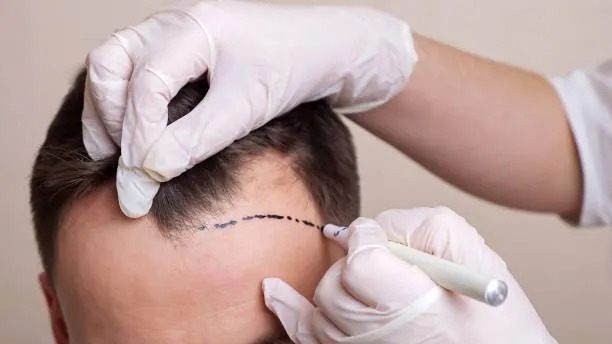
Types of Surgeries for Alopecia
Alopecia affects millions of people worldwide, both men and women, and choosing the right treatment can be overwhelming. Among the most effective treatment options are the various types of surgeries for alopecia, which focus on restoring hair growth and achieving natural looking results.
What Are the Types of Surgeries for Alopecia?
The main types of surgeries for alopecia include:
- FUE (Follicular Unit Extraction): This minimally invasive technique involves extracting individual hair follicles from the donor site (usually the back of the head) and transplanting them to the bald area. It offers a quicker recovery with minimal scarring.
- FUT (Follicular Unit Transplantation): Also known as the strip method, FUT removes a strip of hair bearing scalp from the donor area. The strip is then dissected into follicular units and implanted into the thinning or bald area.
- ARTAS Robotic Hair Transplant: A robotic-assisted hair transplant surgery that enhances precision by automating follicle harvesting, leading to improved accuracy and less trauma to the scalp.
- DHI (Direct Hair Implantation): This technique extracts and implants follicles using a specialized pen-like tool, reducing the time follicles are outside the body and promoting faster hair growth.
Who Can Benefit from These Surgeries?
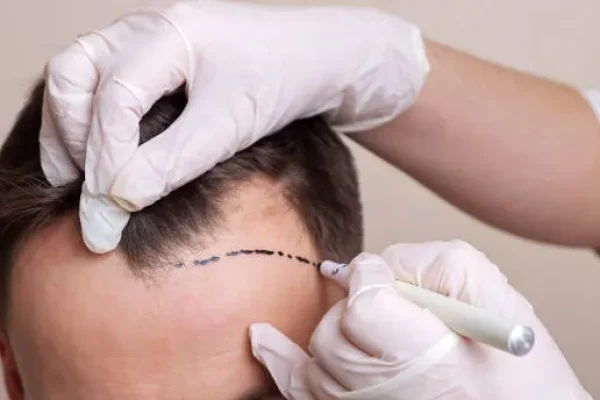
These types of surgeries for alopecia suit individuals with different types of hair loss, whether due to medical conditions, genetics, or other causes. People experiencing a receding hairline or patchy pattern of hair loss often see significant improvement with these procedures.

Understanding the Procedures
Each hair restoration procedure is tailored to the patient’s needs. Surgeons carefully evaluate the pattern of hair loss, the health of the donor site, and other factors to decide the most appropriate method. While all surgeries aim to achieve the best natural looking results, the choice depends on the extent of hair loss and patient preference.
Possible Side Effects
As with any surgical intervention, these types of surgeries for alopecia can involve some side effects such as swelling, mild pain, or temporary numbness. However, modern techniques have significantly reduced risks, and most patients recover quickly.
Frequently Asked Questions
DHI offers precision; FUE covers larger areas faster.
Hair transplant is often the most effective for advanced cases.
FUE and DHI are the most recommended surgical techniques today.
FUE is ideal for advanced hair loss; PRP suits early-stage thinning.