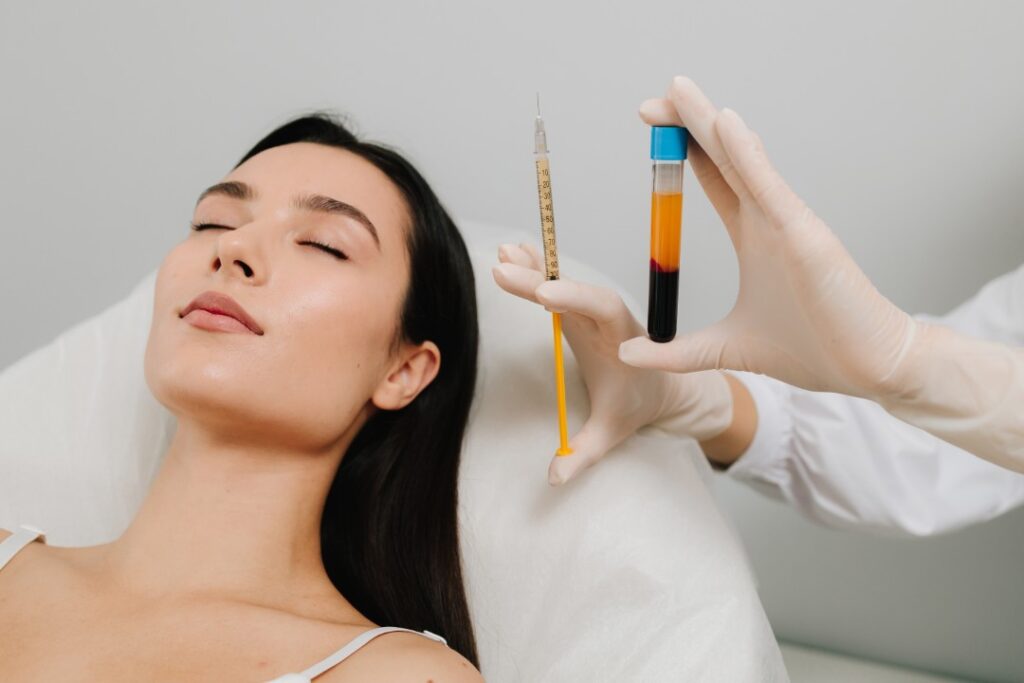
If you are researching non-surgical options for hair thinning, two treatments have moved to the center of the conversation in 2026: exosomes vs PRP for hair loss. Both belong to regenerative medicine, both stimulate the scalp’s natural recovery mechanisms, and both are used in certified hair restoration clinics worldwide. But they work through different biological pathways, have different evidence bases, and suit different patient profiles. Understanding those differences is what makes the choice meaningful.
Exosomes are nanosized extracellular vesicles produced by cells as part of normal biological communication. In the context of exosome hair therapy, the vesicles used are typically derived from mesenchymal stem cells and contain a concentrated payload of growth factors, proteins, and cell signaling molecules that influence follicle behavior.
Exosomes play a key role in cell communication, homeostasis, differentiation, and organogenesis, and have demonstrated a significant role in hair morphogenesis and regeneration. They are applied directly to the scalp (most commonly through microneedling), where they communicate with hair follicle cells and promote regenerative activity

PRP hair treatment (Platelet-Rich Plasma) uses the patient’s own blood, processed to concentrate the platelets and the growth factors they contain, then injected directly into the scalp. This is an autologous treatment, meaning it comes entirely from the patient’s own biology, with no external biological material involved.
PRP is widely supported by a 2025 analysis of controlled trials confirming it significantly increases hair density and reduces hair loss. It is currently the most established non-surgical biological treatment for androgenetic alopecia, with over 15 years of supporting clinical data.
PRP delivers platelet-rich plasma growth factors to stimulate follicle activity, increase blood supply around the follicle, and extend the active growth phase of the hair cycle.
Exosomes deliver a broader and more concentrated set of cell signaling molecules, targeting dermal papilla cells, activating follicle stem cells, and modulating inflammatory pathways that contribute to follicle miniaturization.
PRP requires a blood draw, centrifugation to concentrate the platelets, and direct scalp injection. The process takes approximately 60 to 90 minutes per session, and most protocols involve 3 to 6 sessions over several months.
Exosome therapy does not require a blood draw. The product is prepared externally and applied to the scalp, most commonly through microneedling. Sessions are fewer in number, with some protocols achieving meaningful results in a single session.
PRP delivers platelet-rich plasma growth factors to stimulate follicle activity, increase blood supply around the follicle, and extend the active growth phase of the hair cycle.
Exosomes deliver a broader and more concentrated set of cell signaling molecules, targeting dermal papilla cells, activating follicle stem cells, and modulating inflammatory pathways that contribute to follicle miniaturization.
| Feature | PRP | Exosomes |
|---|---|---|
| Evidence base | Extensive (43 RCTs, 2025 meta-analysis) | Promising, early-stage |
| Sessions required | 3 to 6 over several months | Fewer, sometimes 1 session |
| Speed of response | Reduced shedding at 2 to 3 weeks, density at 3 to 6 months | Potentially faster initial response |
| Ideal stage | Early to moderate hair loss | Moderate, or after PRP non-response |
| Source | Patient's own blood (autologous) | External stem cell-derived product |
| PRP is generally recommended for: | Exosome therapy tends to suit: |
|---|---|
| Patients with early to moderate androgenetic alopecia (Norwood I to IV in men, Ludwig I to II in women) | Patients who have completed a standard PRP protocol (minimum 4 to 6 sessions) without adequate response, since exosome therapy's different mechanism of action means it may be effective where PRP was not |
| Those seeking a well-established, evidence-based non-surgical option | Those with more advanced hair loss who remain candidates for non-surgical treatment |
| Patients in post-transplant recovery to support graft survival | Those seeking the most advanced regenerative hair therapy currently available in a clinical setting |
| Those for whom cost is a significant factor, as PRP is typically more accessible |
Yes, in select cases. Some clinical protocols combine both treatments to address hair follicle regeneration through complementary mechanisms simultaneously. PRP provides an immediate growth factor environment while exosomes deliver deeper cell signaling that targets follicle stem cell activity.
Whether a combined approach is appropriate depends entirely on the patient’s hair loss stage, treatment history, and clinical evaluation. This is not a universal recommendation, and the decision should always be made by a certified specialist after a thorough diagnostic assessment.
At Cancun Hair Restoration, both PRP therapy and exosome-based treatments are offered as part of a broader, personalized approach to hair restoration treatments. Every patient undergoes a clinical evaluation before any protocol is recommended, ensuring that the treatment selected is appropriate for their specific diagnosis, not a generic suggestion.
CHR’s certified medical team brings over 20 years of combined experience in hair restoration, post-operative support, and follow-up care.
Depending on the clinical evaluation, the following treatments may also be considered as part of a comprehensive plan:
There is no universal answer to the PRP vs exosomes question. PRP remains the appropriate first-line non-surgical biological treatment for hair loss in 2026 for the majority of patients, while exosome therapy represents a compelling option for a specific subset of cases where standard protocols have not produced sufficient results or where a more advanced regenerative approach is clinically indicated.
The right choice depends on your hair loss stage, treatment history, and what a thorough professional evaluation reveals about your follicle condition.
Copyright © 2025 Cancun Hair Restoration. All rights reserved