
For many individuals struggling with hair loss, a hair graft offers a permanent and natural solution. This procedure, which involves the transfer of individual hair follicles from a donor site to areas of thinning or balding hair, has become increasingly popular due to its effectiveness and long-lasting results. If you’re considering a hair graft to restore your hairline, it’s important to understand the different techniques available and what to expect during the procedure.
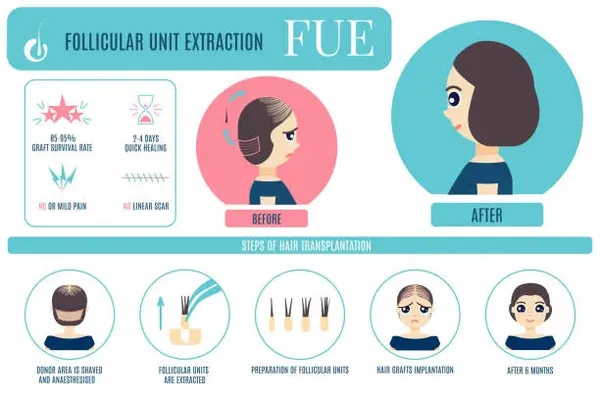
A hair graft consists of small sections of transplanted grafts that contain hair follicles. These follicles are taken from a donor area—typically from the back or sides of the scalp—and carefully placed in the recipient area. Whether you choose Follicular Unit Extraction (FUE) or Follicular Unit Transplantation (FUT), both techniques offer a chance to restore hair growth in areas where hair follicles have become dormant due to hair loss.
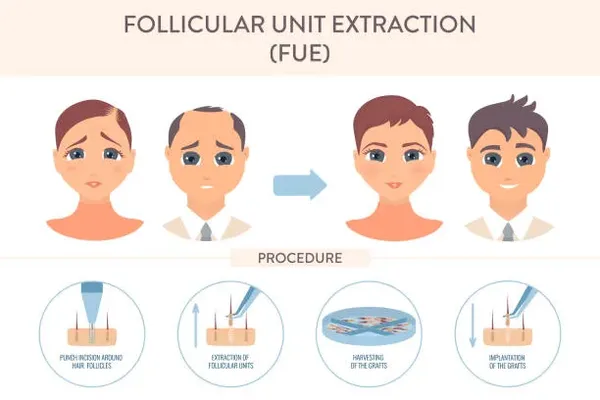
The FUE method involves harvesting individual hair follicles from the donor site, one by one, and transplanting them into the recipient area. This method leaves minimal scarring and is ideal for those looking for a less invasive procedure. Alternatively, the FUT method removes a strip of skin from the donor area, which is then divided into small units for transplantation. While the FUT technique may leave a small linear scar, it can be more efficient when large numbers of transplanted grafts are required.
The hair graft procedure typically begins with a consultation where a skilled surgeon will evaluate your hair loss pattern and the quality of your donor site. This assessment helps determine the best course of action, whether you’re better suited for FUE or FUT.
Once the procedure begins, the surgeon will carefully extract individual hair follicles or a strip of skin from the donor site. The transplanted grafts are then prepared under a microscope, ensuring each unit is viable for transplantation. Following that, the surgeon carefully places the grafts in the recipient area, paying close attention to the direction and angle of the transplanted hair to ensure a natural look.
After the hair graft procedure, patients can expect some minor swelling and redness around both the donor site and recipient area. This is a normal part of the healing process and typically subsides within a few days. Over the next few weeks, the transplanted hair will fall out, which is completely normal and expected. This phenomenon, known as shedding, occurs as the hair follicles enter a resting phase.
New hair growth will begin within a few months as the hair grafts begin to take root. While individual results may vary, most patients begin to see noticeable improvements in their hairline between 6 to 12 months following the procedure.
A hair graft offers numerous benefits for those looking to restore their hairline:
Like any surgical procedure, a hair graft comes with some potential risks and side effects. These may include temporary swelling, redness, and itching in both the donor area and recipient area. In rare cases, complications such as infection or scarring may occur, but these are usually minor and can be managed effectively. Following your surgeon’s post-surgery care instructions is essential for optimal healing.
If you’re dealing with hair loss and are looking for a permanent solution, a hair graft may be the right choice for you. Both FUE and FUT provide lasting, natural results that can restore your hairline and self-confidence. To determine if you’re a good candidate for the procedure, consider scheduling a consultation with an experienced surgeon.
For more detailed information on hair graft procedures and to explore the options available, you can visit our page on ARTAS Hair Transplant. If you’re looking for a professional clinic with expertise in hair restoration, learn more about our team and services at About Us. Additionally, if you’re interested in eyebrow restoration, be sure to check out our Eyebrow Hair Transplant page.
Yes, hair transplants are safe when performed by a certified professional under proper conditions.
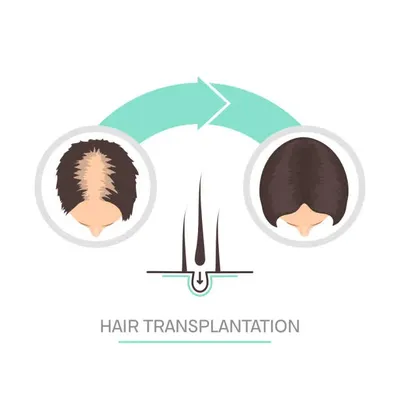
A hair transplant involves extracting follicles from donor areas and transplanting them to recipient areas on the scalp.
Yes, hair implants help hair grow in areas where it has been lost, providing natural results.
Hair transplants should be performed at accredited, reputable clinics that adhere to quality and safety standards.
Copyright © 2025 Cancun Hair Restoration. All rights reserved