Finding more hair than usual on your pillow, in the shower drain, or on your brush can be unsettling. The question that follows is almost always the same, why is my hair falling out, and is this something to worry about?
This blog walks through what counts as normal shedding, the most common causes of excessive hair loss, and the signs that indicate it is time to seek professional evaluation.
It is normal to shed between 50 and 100 hairs each day. Since the scalp holds more than 100,000 hair follicles, this level of routine shedding does not noticeably affect overall appearance.
This happens because hair follicles do not all grow at the same time. Each follicle cycles independently through three phases: an active growth phase (lasting years), a brief transitional phase, and a resting phase, after which the hair sheds and a new strand begins growing in its place.
Excessive hair loss becomes a concern when shedding noticeably exceeds this range, when hair appears thinner or patchier over time, or when shed hair is not being replaced at the same rate it falls.
Androgenetic alopecia (hereditary pattern baldness) is the most common cause of hair loss in both men and women. About 85% of men and 33% of women experience hair loss at some point in their lives. This form of hair loss is driven by genetic sensitivity to hormones that gradually shrink affected follicles over time.
Significant physical or emotional stress can trigger telogen effluvium, a condition in which a large number of follicles simultaneously enter the resting phase. This produces a wave of diffuse shedding, typically appearing two to four months after the triggering event.
Hormones play a central role in scalp health. Thyroid imbalances, pregnancy, postpartum recovery, and menopause are all well documented triggers of temporary or, in some cases, progressive hair loss.
Hair follicles require steady nutrient supply to function properly. Low levels of iron, zinc, biotin, or protein can compromise follicle health and contribute to noticeable thinning, particularly in women.
Alopecia areata is a non scarring form of hair loss caused by an autoimmune disorder, in which the immune system mistakenly attacks hair follicles. Other medical conditions, certain medications, and chronic illnesses can also disrupt the normal hair cycle and lead to unexpected shedding.
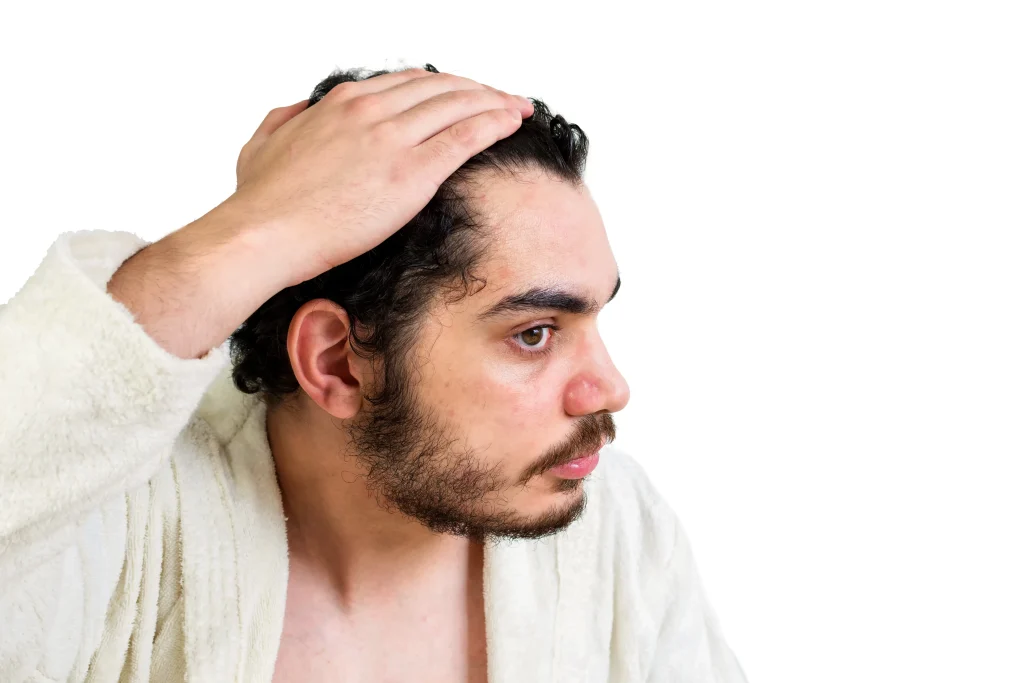
A rapid, noticeable increase in shedding over a short period (rather than a slow, gradual change) often points to an underlying trigger that deserves clinical evaluation.
A hairline that visibly shifts back at the temples over time is one of the earliest and most recognizable signs of androgenetic alopecia in men.
Increasing scalp visibility at the crown, particularly under bright or natural light, is a common early indicator of pattern hair loss in both men and women.
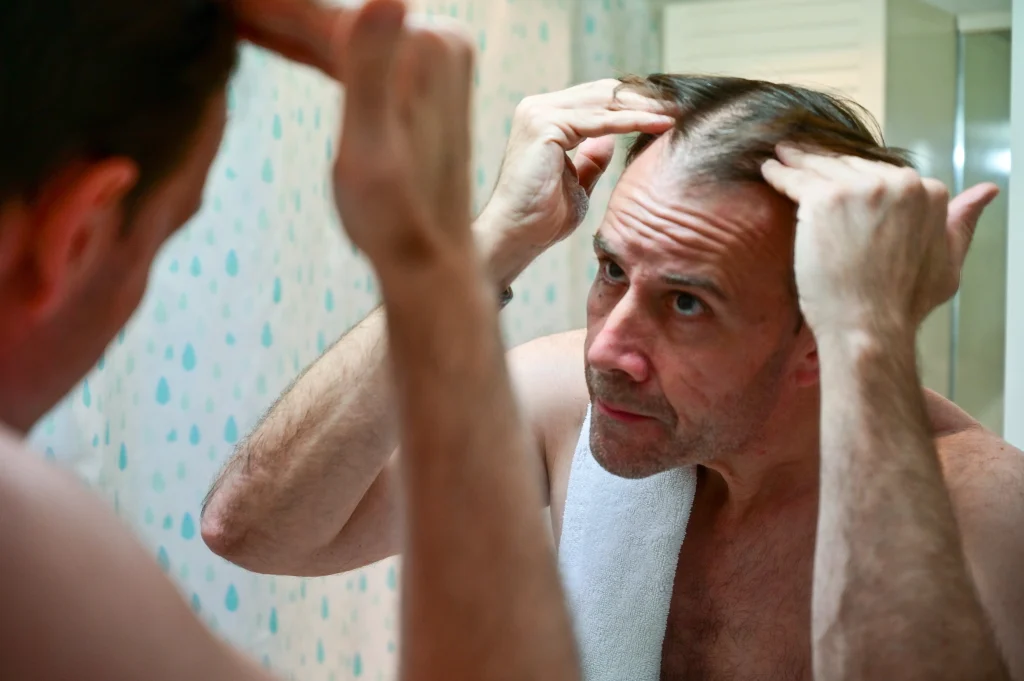
Distinct, localized patches of hair loss (rather than diffuse thinning) can indicate alopecia areata or another specific scalp condition that benefits from a targeted diagnosis.
Consistently finding large clumps of hair during washing, well beyond the normal 50 to 100 hairs expected per day, is one of the clearer signs that shedding has moved beyond a normal range.
The answer depends on the underlying cause and how advanced the hair loss has become.
Lifestyle Changes: Improving nutrition, managing stress, and adopting gentler hair care habits can meaningfully support scalp health and reduce shedding associated with temporary triggers.
Medications Like Minoxidil: Topical treatments such as minoxidil can help slow shedding and stimulate regrowth in follicles that remain active, though results depend on consistent, ongoing use.
PRP Hair Treatments: Platelet rich plasma therapy uses concentrated growth factors from the patient’s own blood to stimulate dormant follicles, often used as a complementary treatment alongside other approaches.
Hair Transplant Procedures: For follicles that have already been permanently miniaturized, only a hair transplant can restore growth in that area, by relocating genetically resistant follicles from the donor zone to the affected region. Depending on each case techniques like DHI, ARTAS, FUE or FUT are used.
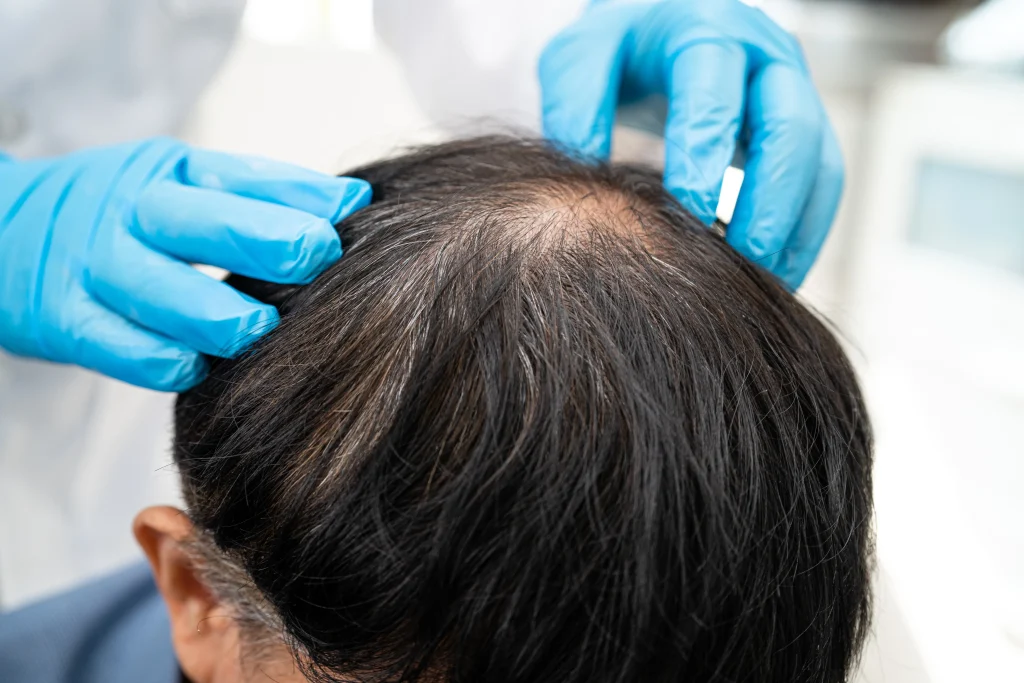
A hair transplant becomes the most appropriate option when several specific conditions are present:
A thorough evaluation of the donor area, the degree of hair loss, and the patient's overall scalp health is the only reliable way to determine candidacy.
At Cancun Hair Restoration, certified specialists assess each patient's hair loss pattern, scalp health, and donor area before recommending any treatment, ensuring the plan is built around the real cause of your hair loss, not a generic assumption.
Copyright © 2025 Cancun Hair Restoration. All rights reserved