Eyebrow hair transplant cost: What to expect

Eyebrow hair transplant cost: What to expect

Sparse, thin, or uneven eyebrows affect thousands of people, whether due to genetics, overplucking, alopecia, or scarring. Today, an eyebrow hair transplant is one of the most effective and permanent solutions available. But before scheduling a consultation, you may wonder how much it cost.


We cannot just give you a simple answer, not that we wouldn´t, but because it is a little bit more complicated than a simple number. The eyebrow hair transplant cost depends on several factors that vary from patient to patient and clinic to clinic.

What Is an Eyebrow Hair Transplant?

It is a surgical procedure in which individual hair follicles are extracted from a donor area  (typically behind the ears or from the scalp) and implanted into the brow region. The goal is to reconstruct, define, or densify the eyebrows with natural, permanent results.

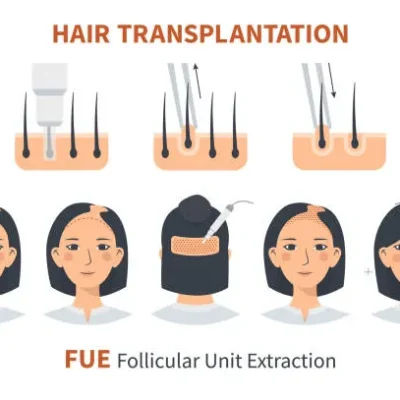
The most commonly used technique is FUE (Follicular Unit Extraction), which leaves no visible scars and allows for precise, hair-by-hair placement. The procedure typically takes between 2 and 3 hours under local anesthesia.

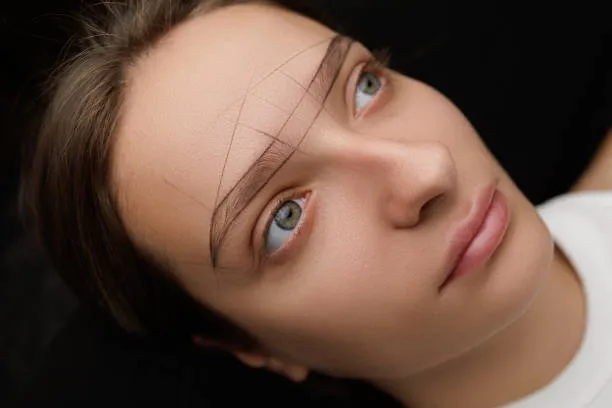
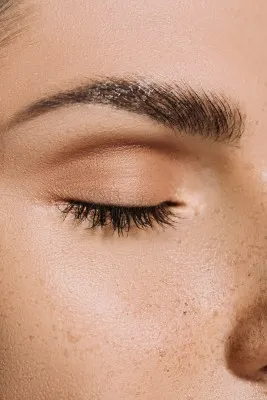
Macro view of a wet, freckled cheek and closed eyelid with a full, dark eyebrow, useful for comparing results and eyebrow hair transplant cost.

How Much Does an Eyebrow Hair Transplant Cost?

The eyebrow hair transplant price varies significantly depending on where the procedure is performed, who performs it, and the scope of treatment required. There is no universal fixed price, each case is evaluated individually during a clinical consultation.

What is consistent across reputable clinics is that the investment reflects the surgical complexity, the expertise of the specialist, and the quality of post-operative care.

Factors That Change the Eyebrow Hair Transplant Price

Additional Expenses to Consider

Beyond the procedure itself, several costs are worth factoring in:

At clinics that specialize in medical tourism, like those in Cancún, many of these elements can be bundled into inclusive packages that make the total investment more manageable.

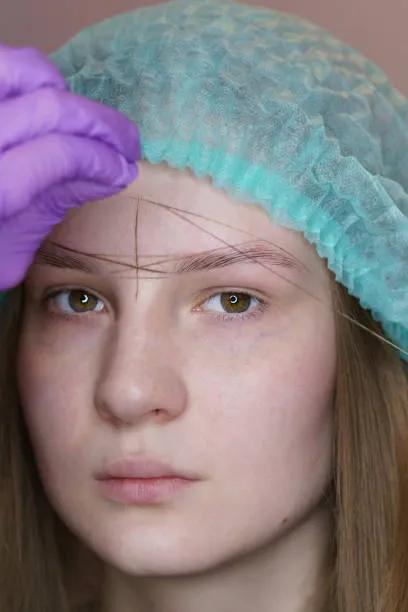
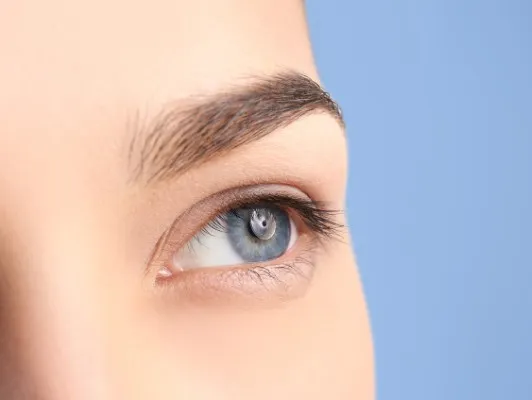
Profile view of a piercing light blue eye with dark lashes and a defined dark eyebrow on light skin, a distinct look related to eyebrow hair transplant cost.

Meet Cancun Hair Restoration

At Cancun Hair Restoration, eyebrow transplants are performed by a certified medical team with over 20 years of combined experience in hair restoration. Using the FUE technique with the highest precision standards, CHR delivers natural-looking, permanent results.

What sets CHR apart:

Take the First Step Toward Fuller Brows

If you are considering an eyebrow hair transplant, the best way to understand the exact cost for your specific case is through a personalized consultation with a specialist.

Contact Cancun Hair Restoration today and find out how you can restore your eyebrows and your confidence.

REVIEW

Cancun Hair Restoration place picture
4.5
Based on 83 reviews
Raúl Nájera profile picture
Raúl Nájera
2 years ago
I recently had a hair transplant, and the experience exceeded all my expectations. From start to finish, the team displayed exceptional professionalism and care. Slywia, in particular, was incredible—she was extremely helpful, highly professional, and ensured that all my questions were answered thoroughly. Her attention to detail and willingness to address every concern made me feel completely at ease throughout the process. The entire team of professionals was equally impressive. During the procedure, they consistently checked in to make sure I was comfortable and doing well. Their friendly and reassuring demeanor created a relaxed environment, which I truly appreciated. Communication was another standout aspect of my experience. The team made themselves available at all times, promptly responding to my queries and providing clear guidance whenever needed. It was evident that they genuinely cared about my comfort and satisfaction. As for the procedure itself, I couldn’t believe how painless it was. Apart from a few minutes of mild discomfort during the administration of the anesthesia, I felt no pain at all. The recovery process was seamless, and the post-procedure care instructions were straightforward and easy to follow. Overall, I am beyond satisfied with the entire experience and would wholeheartedly recommend this clinic to anyone considering a hair transplant. Their professionalism, excellent communication, and genuine care for their patients truly set them apart.
After close to a year my beard is uneven on both sides one is higher & the other is low. It’s patchy. My hairline was not fixed. My hair line is superficial & something people have pointed out multiple times. To put into perspective it looks like two little horns growing out one side grows opposite direction of my hair flow. Really embarrassing. A lot of the hairs transplanted stand out at an angle. My hair grows downward… A lot of money spent not to receive desired results
Jose Carazas profile picture
Jose Carazas
2 years ago
Dennis Fedak profile picture
Dennis Fedak
2 years ago
Visited Cancun hair restoration at the end of March of this year. Had a very extensive hair transplant completed using the FUE procedure. The results have exceeded my expectations and I would highly recommend Cancun Hair Restoration to anyone looking for a hair transplant!
Mark Thompson profile picture
Mark Thompson
2 years ago
2nd time I have left a poor review for CHR. I have had 3 procedures with CHR. I live in the US. 2nd time, they left 3 patches without enough hair causing me to have to travel back a couple months later. Disappointed, I attempted to talk to management about a credit refund. After a lot of attempts going unanswered, I felt I had no choice but to leave a Google review and contact an attorney. Shortly after the Google Review, they started communicating with me. We negotiated and signed a settlement agreement, and I took down the review. They asked if they could wait to pay me the money they agreed to for a couple months since they were in their slow time. It wasn’t a lot of money, so I thought it was odd, but since I had to go back to get a touch up, I agreed to wait. When I went to get the touch up, my 3rd procedure, I was promised they would send it once I got back to the states. Since I have been back, I have tried to contact them at least 10 times and the only person who replies is the office manager who has said she has passed on the info to the managing doctor. Bottom line, is this company did pretty good work, and some of their staff was great, but they don’t follow through on their word, their sloppy with attention to detail, and don’t seem to care that they cost me the headache do another trip, airfare, taxi, hotel, and months of having my hair shorter than I wanted it to be. I will be sending my signed letter to a Mexican attorney to pursue a resolution. It shouldn’t be this difficult.
Xiaoqian Jiang profile picture
Xiaoqian Jiang
2 years ago
I recently visited Cancun Hair Restoration and was thoroughly impressed with their service. The entire team demonstrated a high level of professionalism and care throughout the process. From the initial consultation to the post-procedure follow-ups, every step was handled with meticulous attention to detail. The staff was incredibly knowledgeable. The results have exceeded my expectations, and I highly recommend Cancun Hair Restoration for anyone seeking top-notch hair restoration services.
Jose Campos profile picture
Jose Campos
2 years ago
Friendly environment in which all of your questions and concerns are addressed in the most thorough and polite manner. The all-inclusive bundle is well received since food is the only necessity you'd have to purchase whilst in Cancun. Highly recommend for anyone looking to restore their hair.

sylwia nartowicz profile picture
sylwia nartowicz
2 years ago
Kandice Newell profile picture
Kandice Newell
3 years ago
I did PRP at Cancun Hair Restoration 3 sessions with Samantha! I have amazing results my hair is growing like crazy! Everyone there was super nice and knowledgeable

Sylvia, Fernando and Dr Carlos are fantastic and deserve 6 stars! From my first procedure close to 3 years ago (I’ve now had two procedures ) the team at CHR have been supportive, honest, clear and medically A1. Their professionalism across all elements of their practice have ensured that I’ve always felt in great hands. Sylvia and Fernando have such steady hands and ensured the process was fast and incredibly effective. Dr Carlos treats a very delicate process with good humour and a nurturing touch. Erika helped out with any questions I had and was always patient. I always felt that even though I was traveling from the US all would be ok. It’s very easy to trust the team at CHR and that’s why I travelled back for a second time! I highly recommend the team at CHR and if I need another procedure in 5-10 years, they a will be the clinic I call, no matter where in the world I am. Thanks CHR!

Angel Marrero profile picture
Angel Marrero
3 years ago
My experience with CHR was great. From the moment I sent a message to obtain information until the moment I return from Cancun. Everything was well organized from the airport pick-up and throughout the entire process. The day before the procedure they explained everything to me in details to follow during and after. I am 150% satisfied with the service offered and the great attention. Thank you very much for service and I will be visiting soon for more service! ❤️. I recommend them 100%. I felt no fear during the entire procedure and it was completely painless. My experience with CHR was magnificent. Since the moment I sent the message to obtain information about the procedure until the day I return from Cancun. All the process was very well organized since I was picked up at the airport and also during the whole process. Did they before the procedure, they explained everything in details and how the procedure will go and after. I'm 150% satisfied the service received. Thank you so much for the service and I will be coming back soon for more services❤️ I recommend this clinic 100% I didn't feel any fear during the whole process and it was totally painless.

John Saunders profile picture
John Saunders
3 years ago
Very awesome place to get this done.! They picked me up from airport took me to the hotel. Next day seen the doctor and had the procedure. Very clean no pain fast and excellent excellent customer service. It was a positive experience from start to finish ✨️ 🙌 😊

C B profile picture
C B
3 years ago
Fernando completely butchered me! He ran out of local anesthetic at the clinic, and only did half of my scalp wasting half of my grafts. I was in severe pain! The worst experience ever! I asked for half my money back, but Fernando refused and blocked my number. Luckily Mastercard refunded my whole transaction with them. Was still a horrible experience. I highly recommend you stay away from this clinic. The grafts they did do, were far and few between. Edit- Fernando certainly knows who I am. How many customers has he had despute a transaction with Mastercard, and only done one side of scalp? Certainly never trust them, especially with anesthesia. Your gambling with your life if you do here. Look at the rest of my reviews. I'm clearly authentic
Marcel Revah profile picture
Marcel Revah
5 years ago
Hello, it’s been a few weeks post operation at CHR. I had a great experience for a first time hair transplant patient. I flew in from Montreal and have been researching the past two years different places to complete the FUE hair procedure. Checked out Montreal, Turkey and a friend who lives in Playa recommended I look at clinics in Mexico. After researching CHR and my family wanting to also double check it I booked it up. I stayed at a hotel near by the night before my procedure. The day of I got picked up and started around 9:30 it lasted about 6-7 ish hours. Every person I met was very friendly and took the time to answer all my questions before we started. The entire staff made me feel very comfortable and I was awake the entire time seeing the work progress. I hope this helps others who are on the fence in trying this out. The flight from Montreal was about 4 hours and the total cost with flight, hotel and procedure was more affordable than anywhere else I checked that I felt were legit clinics. Thanks reader and happy holidays! Merci 🙂

PRP Hair Treatment Cost in Mexico and Cancun What You Should Know

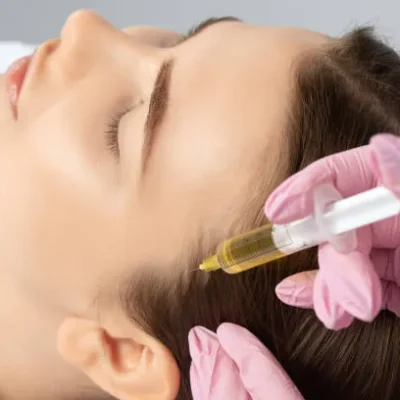
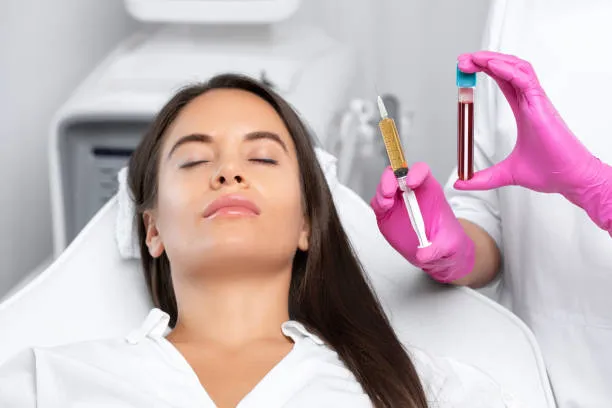
Professional doctor injecting platelet-rich plasma into a patient’s scalp, highlighting the procedure and results of the PRP Hair Treatment Cost

PRP Hair Treatment Cost in Mexico and Cancun What You Should Know

Thinking about restoring your hair’s thickness and shine without surgery? PRP hair treatment has become a game-changer for those struggling with thinning hair or early hair loss. It’s a safe, minimally invasive procedure that uses your own platelets to stimulate natural growth. But one of the most common questions people ask is: How much does PRP hair treatment cost in Mexico and Cancun?

Let’s break down the PRP hair treatment cost, compare it to prices abroad, and explore why Mexico—especially Cancun—is one of the top destinations for affordable and professional hair restoration.

What Is PRP Hair Treatment

PRP (Platelet-Rich Plasma) therapy involves drawing a small amount of your blood, processing it to concentrate the platelets, and injecting it into your scalp. These platelets release growth factors that encourage the regeneration of hair follicles, making it a natural and effective way to boost hair density.

How PRP Works for Hair Restoration

The plasma is packed with nutrients that rejuvenate weakened follicles and promote healthier hair regrowth. After a few sessions, patients notice thicker strands, reduced shedding, and improved scalp health.

Who Is a Good Candidate for PRP

    • PRP therapy works best for men and women experiencing early hair loss or thinning. It’s also an excellent option for those who want to enhance the results of other treatments like FUE or DHI hair transplants.

Average PRP Hair Treatment Cost Worldwide

Prices in the US and Europe

In the United States, PRP hair treatment price typically ranges between $1,500 and $3,500 per session, depending on the clinic and location. In Europe, you can expect to pay anywhere from €900 to €2,000 per session.

Why People Travel Abroad for PRP Therapy

Rising medical costs have pushed many to seek treatment abroad. Mexico, and particularly Cancun, offers high-quality care, modern technology, and certified specialists at a fraction of the cost—making it an attractive option for international patients.

PRP Hair Treatment Cost in Mexico

Price Range per Session

The PRP treatment for hair cost in Mexico is significantly lower, typically ranging from $200 to $400 USD per session. Some clinics offer promotional packages for multiple sessions, reducing the overall cost even more.

How Many Sessions Are Usually Needed

Most patients need between 3 and 6 sessions spaced about a month apart for optimal results. Afterward, maintenance treatments every 6 to 12 months help sustain the benefits.

Factors That Affect PRP Cost

Several factors can influence PRP treatment cost, such as:

  • The clinic’s reputation and certifications

  • The doctor’s experience and technique

  • The location (Mexico City, Cancun, Playa del Carmen, etc.)

  • Whether additional growth factors or specialized equipment are used

For accurate pricing and treatment details, it’s best to visit Cancun Hair Restoration’s PRP treatment page.

Close-up of doctor administering PRP to a patient’s scalp, showing the precision and care involved in the PRP Hair Treatment Cost procedure

PRP Hair Treatment Cost in Cancun

Why Cancun Is a Hub for Medical Tourism

Cancun has evolved into one of the top destinations for medical tourism in Mexico. Patients from the US, Canada, and Europe travel here for premium treatments at affordable rates—all while enjoying a tropical getaway.

Average Cost per Session in Cancun Clinics

The PRP hair treatment price in Cancun averages $250 to $450 USD per session, depending on the clinic. Many facilities also provide bundled deals for multiple sessions or include consultations and aftercare at no extra cost.

What’s Included in PRP Treatment Packages

Typical PRP packages in Cancun include:

  • Initial consultation and scalp analysis

  • Blood extraction and platelet separation

  • PRP injections

  • Post-treatment checkups

Some clinics also combine PRP therapy with microneedling or laser stimulation to enhance results. You can explore complete treatment options at Cancun Hair Restoration.

PRP vs Other Hair Loss Treatments Cost & Effectiveness

PRP vs DHI or FUE

While DHI and FUE are surgical hair restoration techniques that physically transplant follicles, PRP treatment is non-surgical and enhances natural regrowth. DHI and FUE often cost $3,000–$6,000, whereas PRP is far more affordable and carries no downtime.

PRP as a Complementary Therapy

PRP is also used to strengthen transplanted follicles after a hair transplant, improving healing and overall density. This makes it a powerful complementary therapy for lasting results.

Doctor preparing and applying platelet-rich plasma carefully to the patient, demonstrating the benefits of the PRP Hair Treatment Cost.

Discover Affordable PRP Hair Restoration in Cancun 🌴

If you’re ready to restore your confidence and achieve fuller, healthier hair, Mexico—especially Cancun—offers one of the most cost-effective options worldwide. From experienced specialists to personalized care, you’ll find everything you need at Cancun Hair Restoration.

Start your journey today by scheduling your consultation through the contact page and discover how PRP hair treatment can transform your look and boost your confidence. ✨

Eyebrow Hair Transplant: Restore Your Brows Naturally

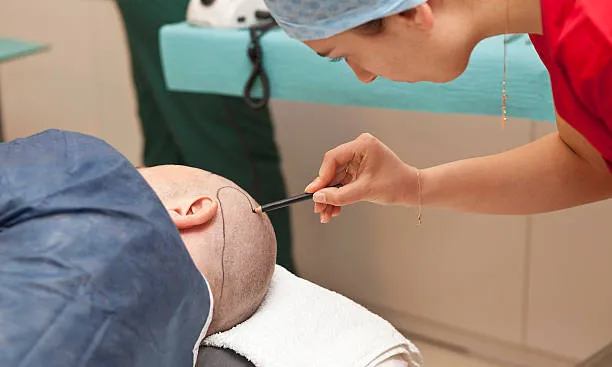
Doctor measuring eyebrow symmetry after eyebrow hair transplant procedure to ensure balanced, aesthetic, and natural-looking results.

Eyebrow Hair Transplant: Restore Your Brows Naturally

Sparse or thinning eyebrows can dramatically affect your facial appearance and confidence. Whether due to genetics, over-plucking, or medical conditions, achieving fuller brows is possible with an eyebrow hair transplant. This minimally invasive procedure provides natural-looking results and long-lasting density. In this guide, we’ll explore everything you need to know about eyebrow hair transplant, including the procedure, recovery, benefits, costs, and comparisons with alternative methods like microblading.

What Is an Eyebrow Hair Transplant?

An eyebrow hair transplant is a cosmetic procedure designed to restore or enhance the fullness of your eyebrows. Unlike temporary solutions, this technique uses your own hair follicles, usually harvested from the back of the scalp, to create natural brows.

The procedure is highly precise, allowing surgeons to replicate the natural direction and angle of eyebrow hair growth. Many patients opt for eyebrow hair transplant surgery to achieve a realistic and long-lasting outcome. Clinics in locations like Cancun offer professional services, combining expertise with advanced technology for optimal results.

Female patient having her eyebrows measured and marked before eyebrow hair transplant to achieve symmetry and a natural-looking result

How Eyebrow Transplant Surgery Works

The success of hair transplant eyebrows depends on careful planning, precise execution, and post-procedure care.

Procedure Explained Step by Step

  1. Consultation: The surgeon evaluates your facial structure, existing brow density, and donor hair quality.
  2. Design: Your desired brow shape and arch are mapped, taking into account facial symmetry.
  3. Extraction: Follicles are harvested from a donor area, typically using the FUE technique.
  4. Implantation: Each follicle is carefully implanted into the eyebrow area, following the natural hair growth direction.
  5. Aftercare: Patients receive detailed instructions to ensure proper healing and maximize follicle survival.
  6.  
Doctor implanting hair follicles into a female patient’s eyebrows during eyebrow hair transplant to restore fullness and natural shape.

Healing and Recovery

Recovery from eyebrow hair transplant surgery is relatively quick. You may experience minor redness, swelling, or scabbing at the implantation sites, which typically heal within 7–10 days. Most patients can resume their daily routines shortly after the procedure. Full growth is visible within 4–6 months, providing durable and natural results.

Proper post-procedure care is essential to protect the transplanted follicles and ensure optimal growth. Avoiding direct sun exposure and not picking scabs can prevent complications and improve overall outcomes.

Benefits of Eyebrow Hair Transplant

There are multiple advantages to choosing an eyebrow hair transplant over temporary solutions:

  • Natural appearance: Each hair is implanted individually, creating realistic density and shape.
  • Long-lasting results: Once established, transplanted hair continues to grow naturally.
  • Minimally invasive: The procedure uses tiny grafts, minimizing discomfort and recovery time.
  • Customizable: The surgeon can tailor the shape, arch, and density to your preference.
  • No need for daily maintenance: Unlike makeup or microblading, results are permanent and require minimal upkeep.

For those seeking a permanent solution to thinning or sparse brows, this procedure offers unmatched precision and results.

Eyebrow Transplant vs Microblading

While microblading and hair transplant to eyebrows may both enhance brows, they differ significantly:

Feature

Eyebrow Hair Transplant

Microblading

Technique

Surgical implantation of real hair

Tattoo-like pigment application

Longevity

Permanent

1–3 years

Appearance

Natural hair growth

Semi-permanent, can fade over time

Maintenance

Minimal

Requires touch-ups

Choosing between the two depends on your goals, lifestyle, and preference for natural hair growth versus semi-permanent cosmetic enhancement.

Risks and Side Effects

Though generally safe, eyebrow hair transplant carries some potential risks:

  • Minor swelling or redness
  • Temporary scabbing or crusting
  • Mild itching during the healing process
  • Rare infection if post-care guidelines are not followed

Selecting an experienced clinic significantly reduces these risks and ensures the best results.

Eyebrow Hair Transplant Cost

The cost of hair transplant to eyebrows varies depending on factors such as:

  • Number of grafts required
  • Clinic reputation and location
  • Surgeon’s experience

Investing in a qualified clinic guarantees higher success rates and natural results. Many clinics offer flexible financing plans to make the procedure more accessible. For more details, visit Eyebrow Hair Transplant or contact us.

Before and After Eyebrow Transplant Results

Before-and-after photos from eyebrow hair transplant surgery often show dramatic improvements:

  • Fuller, natural-looking brows
  • Enhanced facial symmetry
  • Boosted confidence and self-esteem

Most patients report satisfaction with the realistic and lasting results of their eyebrow restoration. Following post-procedure guidelines ensures optimal hair growth and longevity.

Doctor measuring eyebrow symmetry after eyebrow hair transplant procedure to ensure balanced, aesthetic, and natural-looking results.

Is Eyebrow Hair Transplant Right for You?

If you’re looking for a long-term solution to sparse or thinning brows, eyebrow hair transplant offers precision, natural results, and minimal downtime. Unlike temporary cosmetic options, it provides real hair growth that blends seamlessly with your facial features.

Is FUE the Best Choice?

Restore your brows naturally and elevate your confidence! 🌟 Learn more about eyebrow hair transplant by visiting Cancun Hair Restoration or schedule a consultation here.

FUE Hair Transplant: The Most Popular Hair Restoration Technique

Two doctors working together to perform FUE hair transplant, carefully implanting hair grafts to restore the patient’s hairline and density.

FUE Hair Transplant: The Most Popular Hair Restoration Technique

Dealing with thinning hair or a receding hairline can be frustrating and impact your confidence. One of the most effective and sought-after solutions today is the FUE hair transplant. Known for its minimally invasive approach and natural-looking results, FUE has become the go-to technique for hair restoration. But what sets it apart from other methods, and what should you expect from the procedure? In this guide, we’ll cover everything about FUE hair transplant, including the process, benefits, recovery, costs, and results.

What Is FUE Hair Transplant?

FUE stands for Follicular Unit Extraction. It is a surgical procedure where individual hair follicles are removed from a donor area, usually the back or sides of the scalp, and transplanted to thinning or balding areas. Unlike older methods, FUE doesn’t leave a long linear scar, which makes it appealing for those looking for discreet results.

Many patients choose FUE hair transplant Mexico, particularly in cities like Cancun, because of experienced surgeons and cost-effective treatment options. Clinics offering FUE hair transplant Cancun Mexico provide customized plans to match each patient’s hair type, density goals, and desired hairline.

Two doctors working together to perform FUE hair transplant, carefully implanting hair grafts to restore the patient’s hairline and density.

How the FUE Technique Works

The FUE process involves the careful extraction and implantation of individual hair follicles. Precision is key to ensure a natural appearance and long-lasting growth.

Step-by-Step Procedure

  1. Consultation: The surgeon evaluates your hair loss, donor hair quality, and estimates the number of grafts required.
  2. Preparation: The donor area is shaved, cleansed, and sterilized. Local anesthesia is applied to minimize discomfort.
  3. Extraction: Each follicle is removed using a tiny punch tool, usually 0.7–1.0 mm in diameter.
  4. Implantation: Follicles are placed into recipient areas with precise angles and directions to mimic natural growth patterns.
  5. Post-procedure care: Detailed aftercare instructions are provided to optimize healing and follicle survival.
Medical team implanting follicular units into the patient’s scalp during FUE hair transplant procedure to ensure even coverage and natural results.

Healing and Recovery Time

Recovery from FUE hair transplant is generally smooth. Mild redness, swelling, or scabbing may appear at donor and recipient sites but usually resolve within 7–10 days. Most patients can return to daily activities within a few days, while full hair growth becomes noticeable within 6–12 months.

Proper aftercare includes avoiding direct sun exposure, harsh chemicals, and strenuous activities for the first few weeks. Following your clinic’s guidelines can significantly improve results.

Benefits of FUE Hair Transplant

The advantages of FUE hair transplant make it a popular choice among patients:

  • Minimally invasive: Small punch tools mean less pain and minimal scarring.
  • Natural-looking results: Each follicle is individually implanted for realistic growth patterns.
  • Quick recovery: Patients can resume normal activities faster than with traditional methods.
  • High success rate: Experienced surgeons ensure high follicle survival rates.
  • Customizable density: Surgeons can adjust the angle, direction, and spacing of follicles.
  • Long-lasting: Once transplanted, hair grows naturally for years.
  • Ideal for precision areas: Excellent for frontal hairlines or small thinning patches.

These benefits explain why FUE continues to be the preferred method over traditional FUT or non-surgical options.

Possible Side Effects

Although safe, FUE hair transplant can involve some temporary side effects:

  • Mild swelling or redness
  • Tenderness or soreness at donor and recipient areas
  • Small scabs that naturally fall off
  • Rare cases of infection if post-procedure care is not followed

Selecting a reputable clinic like those offering FUE hair transplant Cancun Mexico reduces risks and ensures higher quality results.

Who Is a Good Candidate for FUE?

Ideal candidates for FUE hair transplant include:

  • Individuals experiencing thinning hair or bald patches
  • Patients with healthy donor hair
  • Those seeking natural-looking, long-term results
  • People wanting minimal downtime and quicker recovery

Patients with unrealistic expectations, active scalp infections, or certain medical conditions should consult a specialist before undergoing the procedure.

Cost of FUE Hair Transplant

The cost of FUE hair transplant Mexico varies depending on several factors:

  • Number of grafts needed
  • Clinic reputation and location
  • Experience of the surgeon

Investing in a qualified clinic ensures higher success rates and reduces potential complications. Many clinics provide flexible payment options to make the procedure more accessible. For more details, visit FUE Hair Transplant or contact us.

FUE Hair Transplant Results and Success Rate

Before-and-after photos from FUE hair transplant Cancun Mexico often showcase impressive transformations:

  • Fuller and denser hair coverage
  • Natural-looking hairlines
  • Improved thickness and scalp coverage

Most patients report increased confidence and satisfaction with their appearance. Long-term success depends on following post-procedure care instructions and maintaining a healthy lifestyle.

Close-up of a man’s scalp after FUE hair transplant showing fuller coverage and natural results from the follicular unit extraction technique.

Maximizing FUE Results

To ensure optimal results after a FUE hair transplant:

  • Follow all post-procedure instructions carefully
  • Avoid smoking and alcohol in the initial healing period
  • Protect the scalp from direct sunlight
  • Maintain a balanced diet rich in vitamins and minerals
  • Schedule follow-up appointments with your surgeon

Adhering to these guidelines enhances follicle survival and ensures long-lasting hair growth.

Is FUE the Best Choice?

If you want a minimally invasive, effective, and natural solution to hair loss, FUE hair transplant is a top choice. With experienced surgeons available in Cancun and other regions of Mexico, patients can achieve excellent results with minimal downtime.

Start your hair restoration journey today! 🌟 Discover how FUE Hair Transplant can transform your appearance and confidence. For personalized guidance, feel free to contact us.

FUT Hair Transplant Everything You Need to Know

PRP Treatment for Hair Loss: Does It Really Work?

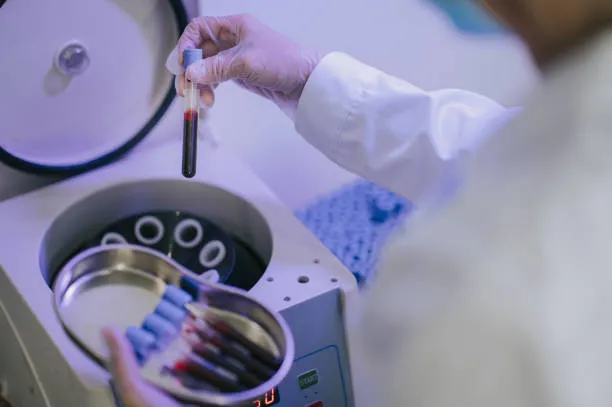
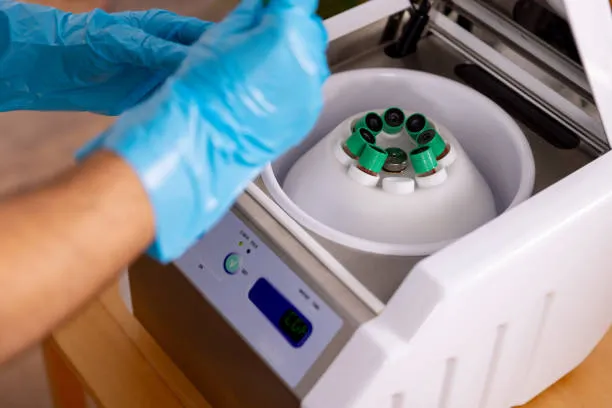
Doctor preparing a medical centrifuge machine for PRP treatment by placing the blood sample that will be processed to extract platelet-rich plasma.

PRP Treatment for Hair Loss: Does It Really Work?

Dealing with hair thinning or bald patches can be frustrating and affect confidence. One popular solution gaining attention is PRP treatment for hair. This innovative therapy uses your own blood to stimulate hair growth naturally, offering an alternative to surgical options. But how does it work, and what can you realistically expect? In this guide, we’ll break down the procedure, benefits, costs, and results of PRP hair treatment so you can decide if it’s the right option for you.

What Is PRP Treatment?

PRP stands for Platelet-Rich Plasma. It’s a therapy designed to rejuvenate hair follicles by using your own blood. A small amount of blood is drawn and processed in a centrifuge to concentrate platelets, which are then injected into the scalp. Platelets are rich in growth factors that help repair and stimulate dormant hair follicles.

Many patients choose PRP hair treatment in Mexico, particularly in Cancun, for its combination of advanced technology, skilled specialists, and cost-effective care. This treatment is non-surgical, minimally invasive, and suitable for those who want natural-looking results without significant downtime.

Doctor preparing a medical centrifuge machine for PRP treatment by placing the blood sample that will be processed to extract platelet-rich plasma.

How PRP Works for Hair Loss

The science behind PRP hair treatment is based on the regenerative properties of platelets. When injected into thinning areas, platelets release growth factors that:

  • Strengthen hair follicles
  • Improve blood flow to the scalp
  • Stimulate new hair growth
  • Enhance hair thickness and shine

Unlike hair transplants, which move follicles from one area to another, PRP focuses on improving the health and performance of your existing follicles, making it ideal for early-stage hair loss.

The Procedure Step by Step

  1. Blood Collection: A small blood sample is taken from your arm.
  2. Processing: Blood is spun in a centrifuge to separate platelet-rich plasma from other components.
  3. Scalp Preparation: The targeted areas are cleaned and numbed with a local anesthetic.
  4. Injection: Platelet-rich plasma is injected into areas with thinning hair using fine needles.
  5. Aftercare: Mild redness or swelling may appear, usually resolving within a few days.

The process typically lasts 30–60 minutes, is relatively painless, and allows patients to resume their regular activities shortly after treatment.

How Many Sessions Are Needed?

For optimal results, most patients require 3–4 sessions spaced 4–6 weeks apart. After the initial series, maintenance treatments every 4–6 months may be recommended. The number of sessions depends on the severity of hair loss and individual response to treatment.

Benefits of PRP Therapy

The advantages of PRP hair treatment include:

  • Non-surgical: No incisions or anesthesia required.
  • Natural: Uses your own blood, minimizing the risk of allergic reactions.
  • Minimally invasive: Quick recovery and minimal discomfort.
  • Promotes hair density: Strengthens and thickens existing follicles.
  • Customizable: Can target specific areas like the crown or frontal hairline.
  • Long-lasting results: Regular maintenance encourages sustained hair growth.

Patients often report improved hair texture, fuller coverage, and increased self-confidence.

Female doctor performing PRP treatment by injecting platelet-rich plasma into a woman’s face to rejuvenate skin and improve elasticity.

PRP Treatment vs Hair Transplant

While PRP treatment for hair stimulates existing follicles, hair transplants relocate follicles from donor to recipient areas. Key differences include:

  • Invasiveness: PRP is minimally invasive; transplants are surgical.

  • Recovery: PRP requires little downtime; transplants involve longer healing.

  • Results: PRP enhances existing hair; transplants add new hair.

  • Cost: PRP sessions are typically less expensive than surgical procedures.

For individuals with mild to moderate hair loss, PRP hair treatment in Cancun may be a more convenient first step.

Side Effects and Safety

PRP hair treatment is considered safe since it uses your own blood. Potential side effects include:

  • Mild redness, swelling, or tenderness at injection sites
  • Temporary itching or discomfort
  • Rare infection

Choosing an experienced clinic reduces risks and ensures proper technique.

Cost of PRP Treatment

The cost of PRP hair treatment in Mexico varies depending on the number of sessions, clinic reputation, and expertise of the provider. Investing in a certified clinic ensures effective results and minimizes complications. For more details on pricing, visit PRP Hair Treatment Cost.

PRP Before and After Results

Patients often notice visible improvements after 2–3 sessions:

  • Thicker and stronger hair strands

  • Fuller coverage in thinning areas

  • Healthier scalp condition

Consistent treatment and following post-care instructions maximize results, allowing long-term benefits.

Female doctor injecting PRP treatment into a woman’s scalp, stimulating hair follicles and promoting new growth for hair restoration therapy.

Is PRP the Right Solution?

If you’re looking for a minimally invasive, natural, and effective solution for hair loss, PRP treatment for hair may be the right choice. Clinics in Cancun provide experienced specialists, modern facilities, and personalized care to ensure the best results.

Start your journey toward thicker, healthier hair today! 🌟 Learn more about PRP Treatment or contact us for a personalized consultation.

FUT Hair Transplant: Procedure, Benefits, and Results

Side-by-side comparison showing a woman before and after FUT hair transplant, highlighting fuller and natural-looking hair restoration results.

FUT Hair Transplant: Procedure, Benefits, and Results

Hair loss can be a frustrating experience, affecting confidence and overall self-esteem. Luckily, FUT Hair Transplant offers a reliable and permanent solution for restoring natural-looking hair. Unlike temporary treatments, this method focuses on precise transplantation of hair follicles to areas where hair is thinning or absent. In this article, we’ll guide you through how FUT Hair Transplant works, its advantages, the recovery process, costs, and what results you can realistically expect. Whether you’re exploring options for the first time or considering alternatives like FUT Hair Transplant Mexico, understanding the procedure helps you make an informed decision.

What Is FUT Hair Transplant?

FUT Hair Transplant, or Follicular Unit Transplantation, is a surgical technique used to restore hair density. The procedure involves removing a thin strip of scalp from a donor area—usually the back of the head—where hair growth is dense. Individual hair follicles are then carefully extracted and transplanted into balding or thinning areas.

This method is ideal for patients needing coverage over larger areas, offering higher follicle yield than some other techniques. The transplanted hair continues to grow naturally, blending seamlessly with existing hair.

Why Choose FUT?

  • Covers extensive bald areas efficiently
  • Produces natural hairline and density
  • Minimizes the need for repeated sessions
Side-by-side comparison showing a woman before and after FUT hair transplant, highlighting fuller and natural-looking hair restoration results.

How the FUT Technique Works

Step-by-step procedure

  1. Consultation and planning: The surgeon evaluates your hair loss pattern and donor area.
  2. Donor strip removal: A thin section of scalp is carefully excised.
  3. Dissection of follicles: Individual hair follicles are separated under  a microscope.
  4. Recipient site preparation: Tiny incisions are made in the balding area.
  5. Follicle implantation: Hair follicles are transplanted and aligned for natural growth.

Recovery process

Recovery is generally smooth:

  • Mild soreness or swelling in the donor area for a few days
  • Stitches are removed after 10-14 days
  • Most patients return to normal activities within a week
  • Avoid heavy exercise or sun exposure for the first month

Proper post-procedure care ensures the best results, minimizing risks of infection or scarring.

Detailed medical illustration of FUT hair transplant explaining step by step how donor hair is extracted and implanted to restore hairline density.

Advantages of FUT Hair Transplant

Choosing FUT Hair Transplant has several key benefits:

  • Higher follicle yield: Ideal for large areas of hair loss

  • Permanent results: Once transplanted, follicles continue growing naturally

  • Cost-effective for extensive restoration compared to other methods

  • Precision placement: Allows creation of a natural-looking hairline

  • Versatility: Can be combined with other hair restoration techniques

Patients seeking FUT Hair Transplant Cancun Mexico often choose this method due to its reliability and effectiveness in achieving dense, natural hair.

Possible Side Effects and Risks

Although safe, the procedure may involve minor side effects:

  • Temporary numbness in the donor area
  • Redness or swelling
  • Scarring along the donor strip
  • Rare infections (preventable with proper care)

It’s essential to follow post-operative instructions and maintain hygiene to minimize risks.

Who Is a Good Candidate for FUT?

The ideal candidate is:

  • Experiencing significant hair thinning or baldness
  • Having a healthy donor area with sufficient hair density
  • Seeking permanent, natural results
  • Free from scalp conditions that could complicate surgery

Your surgeon can evaluate suitability and recommend whether FUT Hair Transplant is the most effective option for your needs.

FUT Hair Transplant Cost Factors

The cost depends on:

  • Number of grafts required
  • Complexity of the procedure
  • Clinic location and surgeon expertise
  • Type of anesthesia used

Clinics offering FUT Hair Transplant Mexico often provide competitive pricing without compromising quality. Cancun is particularly popular due to its combination of experienced surgeons and modern facilities.

FUT Before and After Results

Results are gradual but impressive:

  • 3-6 months: Initial hair growth visible

  • 6-12 months: Full hair density develops

  • Transplanted hair grows naturally, blending with existing hair

Patients often report increased confidence and satisfaction with their restored hairline. For real examples, visit FUT Hair Transplant Cancun Mexico.

Recovery Tips for the Best Results

  • Follow your surgeon’s instructions precisely
  • Keep the donor area clean and avoid scratching
  • Avoid direct sun exposure and strenuous activities for a few weeks
  • Take prescribed medications to prevent infection and promote healing

Is FUT the Right Choice?

FUT Hair Transplant is ideal for those seeking permanent hair restoration with high follicle yield and natural-looking results. It’s especially effective for larger bald areas and provides a cost-efficient solution without repeated procedures.

If you’re considering this treatment, explore your options at Cancun Hair Restoration and request a consultation today via Contact Us. With expert guidance, personalized planning, and professional care, you can restore your hair and confidence. ✨

Stem Cell Therapy vs PRP

Stem Cell Therapy vs PRP: Discover the Best Hair Restoration Option

Hair loss affects millions of people worldwide and can deeply impact self-esteem, social confidence, and overall quality of life. Fortunately, advancements in regenerative medicine have opened the door to innovative, non-surgical treatments that can help restore hair naturally and effectively. Two of the most talked-about procedures today are Stem Cell Therapy and PRP (Platelet-Rich Plasma). Although both promote natural hair regrowth and are minimally invasive, they differ in their mechanisms, suitability, and long-term results. In this comprehensive guide, we’ll explore how each treatment works, their key differences, who they’re best for, and whether a combination of both might offer the ultimate solution with Stem Cell Therapy vs PRP.

Understanding PRP Therapy for Hair Loss

Platelet-Rich Plasma (PRP) therapy is a non-surgical treatment that uses components of your own blood to stimulate hair regrowth. During the procedure, a small sample of blood is drawn from your arm and processed in a centrifuge to separate the platelet-rich plasma. This plasma is rich in growth factors that are injected directly into areas of thinning hair or bald patches.

PRP is often recommended for individuals in the early stages of androgenetic alopecia (male or female pattern baldness) or for patients who want to strengthen weak follicles before they stop producing hair altogether.

What Is Stem Cell Therapy for Hair Restoration?

Stem Cell Therapy for hair restoration is a cutting-edge regenerative treatment designed to not just reactivate existing follicles, but also create new ones. In this process, stem cells are harvested from the patient’s own body—typically from fat tissue through a minimally invasive liposuction procedure. These adipose-derived stem cells are then processed and injected into the scalp.

Stem Cell Therapy offers a promising solution for those who may not respond well to PRP or who are looking for a more comprehensive and long-term approach to restoring hair.

Stem Cell Therapy vs PRP: Main Differences

Understanding these differences helps patients make a more informed decision based on their specific condition and hair restoration goals.

Who Is a Good Candidate?

A consultation with a hair restoration specialist is key to determining your eligibility for either procedure. They will assess your scalp, medical history, and expectations to develop the right treatment plan.

Can You Combine PRP and Stem Cell Therapy?

Yes, in many cases, combining both treatments can produce even better outcomes. PRP works immediately to stimulate existing follicles, while stem cells rebuild the scalp’s regenerative environment over time. This dual approach can be ideal for individuals with mixed hair loss patterns, thinning and balding areas, or those seeking maximum density and quicker recovery.

The treatments are typically performed on the same day or scheduled closely together, depending on the patient’s goals and the clinic’s protocol.

Medical professional injecting the scalp to promote hair regeneration with advanced methods, highlighting options within Stem Cell Therapy vs PRP.

What to Expect After Treatment

Both PRP and Stem Cell Therapy are minimally invasive, and most patients can return to their normal activities within a few hours. You may experience mild redness, swelling, or tenderness at the injection sites for 1–2 days.

Hair regrowth timeline:

  • Results from PRP are often visible in 3 to 6 months, depending on your hair cycle.

  • Stem Cell Therapy may take a bit longer to show full effects, but improvements can continue for 6 to 12 months.

Multiple sessions may be recommended, particularly for PRP. Stem Cell Therapy, due to its potency, may require fewer treatments over time.

Final Thoughts

Both Stem Cell Therapy and PRP represent powerful tools in the battle against hair loss. Whether you’re just starting to notice thinning or have been struggling with hair loss for years, these treatments offer safe, natural alternatives to surgery or medications.

Ultimately, the best choice depends on your unique hair loss pattern, scalp condition, and desired results. For some, PRP alone may be sufficient. For others, especially those with more advanced thinning, Stem Cell Therapy—or a combination of both—might offer the best long-term solution.

Still not sure which option is right for you? Our team at Cancun Hair Restoration is here to guide you every step of the way. Take the first step toward fuller, healthier hair with Stem Cell Therapy vs PRP.

Medical equipment analyzing and processing samples for innovative hair treatments, reflecting state-of-the-art procedures in Stem Cell Therapy vs PRP.

Foods That Strengthen Hair: The Complete Guide to Eating for Healthy, Strong Hair

Foods That Strengthen Hair: The Complete Guide to Eating for Healthy, Strong Hair

When it comes to achieving healthy hair, most people focus only on shampoos, conditioners, or expensive treatments. But the truth is, the secret to strong, shiny hair starts inside your body — with the foods you eat every single day. Choosing the right foods that strengthen hair can transform your hair from weak and brittle to healthy and full of life.

If you’re wondering what the best foods for hair growth are, this guide will help you understand exactly which nutrients you need and how they work. Combined with professional options like PRP Treatment or Stem Cell Therapy, your diet can make all the difference in getting the strong hair you want.

Why Nutrition Matters for Hair Strength

Hair is one of the fastest-growing tissues in the human body, but it’s also the first to suffer when you lack nutrients. That’s because your body prioritizes vital organs first, not your hair follicles. So when you don’t eat enough essential nutrients, your hair is often the first thing to weaken.

A poor diet can cause brittle hair, slow growth, and even lead to hair loss over time. On the other hand, choosing foods that strengthen hair helps keep your scalp healthy, your roots strong, and each strand resilient.

If you want thicker, stronger hair naturally, focusing on the right food groups is a must.

Protein: The Building Block of Strong Hair

The most important foods that strengthen hair are those rich in protein. Why? Because your hair is made mostly of a protein called keratin, which gives it structure and strength. Without enough protein, your hair can become weak, thin, and more likely to break.

Add these foods that help hair growth to your daily meals:

      • Eggs: Packed with protein, biotin, and a good source of vitamin B12.
      • Fish like salmon and tuna: Rich in protein and healthy fats.
      • Chicken, lean beef, and turkey: Great for supplying keratin’s building blocks.
      • Beans, lentils, and chickpeas: Perfect plant-based options for extra protein and iron.

Making protein a daily habit will help your hair grow stronger and stay healthy.

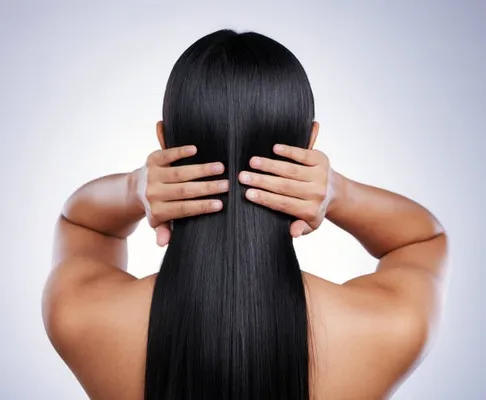
Woman with long, shiny black hair posing confidently to show the results of eating foods that strengthen hair and improve natural shine and growth.

Iron and Zinc: Minerals That Support Hair Health

Another group of foods that strengthen hair are those rich in iron and zinc. Iron helps deliver oxygen to your hair follicles, keeping them active and healthy. Zinc plays a big role in repairing tissues and oil production around follicles, which can prevent dryness and breakage.

Good choices include:

      • Leafy greens like spinach and kale: Excellent for iron.
      • Lean red meat in moderation: A well-absorbed source of iron.
      • Lentils and beans: Ideal for a plant-based diet.
      • Pumpkin seeds and sunflower seeds: Easy zinc boost.
      • Greek yogurt: A tasty way to get more zinc and protein.

Combining iron-rich foods with vitamin C — like citrus fruits — helps you absorb iron better. This makes your diet more effective at preventing brittle hair.

Omega-3 Fatty Acids and Healthy Fats: Shine and Strength

Woman applying nourishing serum to her hair as part of a routine that complements foods that strengthen hair for better hydration and growth.

Healthy fats are an underrated but powerful part of any list of foods that strengthen hair. Omega-3 fatty acids nourish the scalp, reduce inflammation, and keep hair hydrated and shiny.

Best choices:

      • Salmon, mackerel, sardines: Fatty fish are top sources of omega-3.
      • Walnuts, chia seeds, flaxseeds: Great plant-based omega-3 alternatives.
      • Avocado: Loaded with healthy fats and vitamin E for smooth, hydrated strands.

These foods that strengthen hair help protect your hair’s natural oils, preventing dry ends and breakage.

Vitamins A, C, D, and E: Natural Fuel for Growth

Eating enough vitamins is essential when choosing foods that strengthen hair. These vitamins help your hair grow faster and stay resilient:

      • Vitamin A: Supports the scalp’s natural oil production.

      • Vitamin C: Helps absorb iron and fights oxidative stress.

      • Vitamin D: May help create new hair follicles.

      • Vitamin E: Improves circulation, feeding nutrients to your scalp.

Top foods to get these vitamins:

      • Sweet potatoes, carrots, pumpkin: Great for vitamin A.

      • Citrus fruits, berries, bell peppers: High in vitamin C.

      • Fortified dairy, eggs, mushrooms: Good sources of vitamin D.

      • Nuts, seeds, and spinach: Loaded with vitamin E.

Adding these vitamins to your daily meals ensures your body has what it needs to promote hair growth naturally.

Hydration and Foods with High Water Content

When thinking about foods that strengthen hair, don’t forget about hydration. Dehydration makes your scalp dry, which can slow hair growth and make hair fragile. Alongside drinking enough water, you can add water-rich foods like watermelon, cucumbers, and oranges to your diet.

Hydration helps nutrients travel to your hair follicles, giving them the fuel they need to grow strong, healthy hair.

Combining Good Food with Advanced Treatments

Eating foods that strengthen hair builds a strong foundation, but sometimes you need extra help to address thinning or weak growth. This is where professional treatments come in.

Treatments like PRP Therapy inject growth factors to stimulate follicles, while Stem Cell Therapy helps rejuvenate hair from the inside out. When you combine these methods with a diet rich in foods that strengthen hair, you maximize your results.

Woman holding a handful of her hair with a strong grip to display healthy strands thanks to adding foods that strengthen hair to her daily meals.

Key Takeaways: Your Hair Reflects What You Eat

Your hair truly is a reflection of what you put into your body. While fancy products can help from the outside, real change starts on your plate. Choosing the best foods that strengthen hair ensures your strands have the strength, shine, and structure they need.

Focus on:

      • Plenty of protein.
      • Iron, zinc, and other minerals.
      • Healthy fats and omega-3 fatty acids.
      • A rainbow of fruits and vegetables for vitamins.
      • Proper hydration.


Combined, these steps can help your hair look better than ever.

Ready to Find Out If Your Diet Helps Your Hair?

Eating the right foods that strengthen hair is a smart move for anyone who wants naturally healthy, beautiful hair. But if you feel you need extra support to promote hair growth, it’s smart to talk to an expert.

At Cancún Hair Restoration, we guide you with proven solutions like PRP Therapy and Stem Cell Therapy to complement your healthy eating and help you get the hair you deserve — stronger, fuller, and more confident.

Learn how to combine the best foods that strengthen hair with advanced restoration treatments for the best results possible.

Understanding the Shedding Effect: Why It Happens and What To Do

Understanding the Shedding Effect: Why It Happens and What To Do

Starting a hair restoration journey can feel overwhelming, especially when you first hear about the shedding effect. Many people panic when they see more hair falling out just weeks after beginning treatment. However, the shedding effect is not always a sign that something is wrong — it’s often proof that your hair follicles are responding exactly as they should.

In simple terms, the shedding effect describes the temporary hair loss that happens when new growth is triggered. Whether you’re using topical solutions, planning a FUE Hair Transplant, FUT Hair Transplant, or trying PRP Treatment, understanding how the shedding effect works can help you feel calm and confident about your results.

What Causes the Shedding Effect?

The shedding effect happens because of how the natural hair cycle works. Human hair grows in phases: the anagen phase (growth), the catagen phase (transitional), and the telogen phase (resting). Each hair strand is in a different stage at any given time.

When you start a new treatment, your scalp is stimulated to reactivate dormant follicles. This can cause old, weaker hairs to shed, making way for thicker, stronger hair to grow in its place.

For example, if you’re getting a FUE Hair Transplant or FUT Hair Transplant, the transplanted grafts first go into a short resting phase. During this time, the original hair attached to each graft may fall out. This is normal and expected — the roots stay intact under the scalp and will produce new hairs soon.

Similarly, with PRP Treatment, the injected plasma stimulates the hair follicles to push out weak strands so that new, stronger hair can grow. The shedding effect shows that the treatment is working at a deeper level.

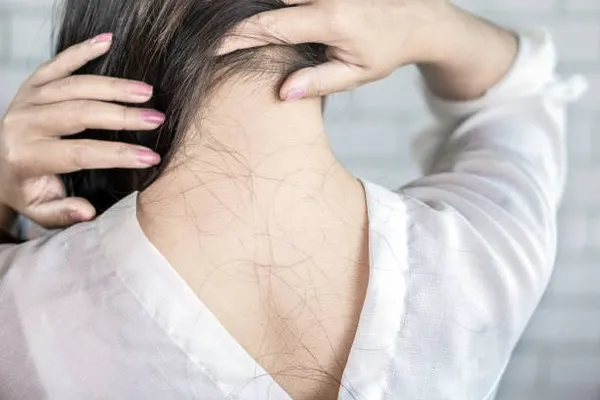
Back view of a young woman with long hair falling out as she notices the shedding effect, which is common after certain hair restoration treatments

When Is the Shedding Effect Normal?

The shedding effect is perfectly normal during the first few weeks or months after beginning hair restoration treatments. For topical solutions like minoxidil, shedding can start two to six weeks after your first use. For PRP, you may notice increased shedding about three to six weeks after your session.

If you’ve had a FUE Hair Transplant or FUT Hair Transplant, you can expect the shedding effect to happen within two to four weeks after your procedure. This is simply your scalp adjusting to the new grafts and shifting hairs into the growth phase.

This temporary loss usually lasts a few weeks, followed by new, stronger strands growing in. Most people see visible improvement in three to six months, and full results in 9 to 12 months. Staying calm and patient is key to overcoming the shedding effect.

When Should You Worry About Shedding?

Woman brushing her long hair while seeing strands coming out on her brush, experiencing the normal shedding effect linked to new hair growth cycles.

While the shedding effect is a healthy, expected part of hair restoration, not every type of hair loss is normal. If shedding continues longer than three or four months, or you notice bald patches that do not regrow hair, it could be a sign of another issue.

Keep an eye out for:

      • Large bald spots appearing suddenly.
      • Excessive hair loss across your entire scalp with no signs of regrowth.
      • Scalp irritation, redness, or unusual flaking.
      • Hair becoming thinner overall, not just in areas being treated.

In rare cases, persistent shedding may indicate an underlying condition like chronic telogen effluvium, nutritional deficiencies, or a reaction to medication. If you’re unsure whether your shedding effect is normal, talk to a trusted specialist for a professional evaluation.

How To Manage the Shedding Effect

If you’re experiencing the shedding effect, remember: it’s temporary! Stopping your treatment because of shedding is one of the biggest mistakes people make — it can actually make things worse and stop new growth from developing.

Here are some tips to manage the shedding effect with confidence:

      • Stick with your treatment plan. Consistency is key for hair restoration success.
      • Eat a diet rich in protein, vitamins, and minerals that nourish your hair follicles.
      • Talk to your doctor about supplements like biotin or zinc if you have deficiencies.
      • Use gentle hair care products and avoid harsh chemicals or strong styling agents.
      • Skip excessive heat styling while new hair is growing in.
      • Keep all follow-up appointments to monitor your progress and adjust your plan if needed.
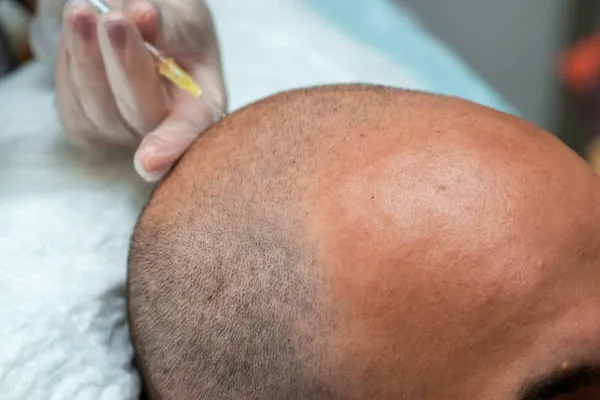
Medical professional injecting a man’s scalp with a needle, a moment that can trigger the shedding effect as part of post-treatment phases.

If you’ve recently had a transplant, carefully follow your surgeon’s post-op instructions to protect your grafts while they settle in. After PRP Treatment, protect your scalp and don’t pick at shedding hair — let nature do its job.

Remember: the shedding effect means your scalp is responding. Don’t panic — be patient and trust the process.

Is Your Shedding Effect Excessive? Let’s Talk.

If you’re seeing more hair than you expected on your brush or pillow, or you feel your shedding effect doesn’t look normal, get advice before making any changes to your treatment plan.

Cancún Hair Restoration specializes in proven hair loss treatments like FUE Hair Transplant, FUT Hair Transplant, and PRP Treatment. Our expert team will guide you through every step, including how to handle the shedding effect calmly and effectively.

Understanding Frontal Fibrosing Alopecia: What You Need to Know

Understanding Frontal Fibrosing Alopecia: What You Need to Know

Frontal Fibrosing Alopecia (FFA) is becoming one of the most talked-about forms of hair loss, especially among postmenopausal women. Although it was first described just a few decades ago, more people are now being diagnosed as awareness grows and more dermatologists recognize its unique signs.

Unlike general female pattern hair loss, which causes gradual thinning over the crown, Frontal Fibrosing Alopecia specifically affects the frontal hairline, causing a slow but noticeable balding from front. It is considered a form of fibrosing alopecia, meaning it causes scarring that permanently destroys hair follicles if left untreated.

For many women, seeing their hairline recede by an inch or more can feel devastating. Combined with a loss of eyebrow hair, the changes can dramatically alter someone’s facial appearance and self-esteem. The condition can progress quietly for years before it’s diagnosed, which is why understanding Frontal Fibrosing Alopecia is so important.

Who Gets Frontal Fibrosing Alopecia?

Most cases occur in postmenopausal or post menopausal women over 50, but younger women — and even men — can develop FFA too. Some researchers think hormonal changes related to menopause play a big role, while others suggest that an autoimmune disease component may trigger inflammation.

A growing body of research has even linked environmental factors to Frontal Fibrosing Alopecia, such as frequent use of facial sunscreens and certain skincare products near the alopecia on hairline area. While evidence is not conclusive, some studies suggest these care products might irritate sensitive skin and contribute to inflammation.

Although not life-threatening, the emotional impact is significant. Many patients report social anxiety, loss of confidence, and avoidance of activities like swimming or styling their hair back because they don’t want to reveal the receding line.

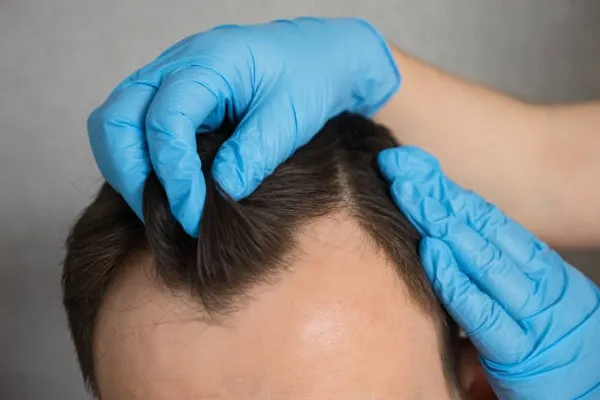
Close-up of a man’s receding hairline at the front, showing the typical pattern of Frontal Fibrosing Alopecia with visible thinning near the forehead area.

Causes and Risk Factors

Experts believe Frontal Fibrosing Alopecia is likely a variant of lichen planopilaris, a type of scarring alopecia linked to the body’s immune system attacking its own hair follicles. This autoimmune reaction leads to inflammation and scarring that destroys the follicle permanently.

Some think genetics may make certain people more likely to develop FFA, although no single gene has been found. Hormonal factors are suspected, which explains why it’s so common in postmenopausal women.

Possible environmental factors — including hair dyes, facial creams, and sunscreens — are being studied as triggers. Researchers have even published detailed frontal fibrosing alopecia a review papers in journals like the J Acad Dermatol to better understand these links.

There’s no single cause, but most experts agree that early diagnosis is key to slowing this type of hair loss.

Symptoms and Early Signs

Another view of a man’s forehead area where hair is falling out due to Frontal Fibrosing Alopecia, highlighting the progressive nature of this condition.

The main sign of Frontal Fibrosing Alopecia is a gradual, symmetrical recession of the hairline. Many patients notice their forehead looks larger or that their bangs don’t sit the same way anymore.

In addition to frontal hair loss female, eyebrow loss is a classic sign. Some women lose their eyebrows entirely or see thinning at the outer edges. Small, pale patches or redness along the hairline are also common in the early stages.

Some people feel mild burning, itching, or see tiny bumps near the hairline — all signs that inflammation is damaging the follicles. If you see signs of balding from front combined with eyebrow thinning, it’s crucial to act fast to stop more permanent hair loss.

Left untreated, the condition can spread around the front and sides, sometimes reaching the sideburns or temples. Once the follicles are scarred, regrowth becomes very unlikely.

How Is Frontal Fibrosing Alopecia Diagnosed?

Getting an accurate diagnosis of Frontal Fibrosing Alopecia is vital for managing it effectively. Dermatologists start by examining the hairline and eyebrows for signs of recession and inflammation.

They may use dermoscopy, which magnifies the scalp to look for details invisible to the naked eye — such as signs of fibrosing alopecia or damaged follicles.

A biopsy is often recommended. This small sample shows the inflammation pattern typical of Frontal Fibrosing Alopecia, confirming that it is a scarring condition and not just typical female pattern hair loss.

Sometimes, blood tests help rule out other autoimmune conditions or check for hormonal imbalances, especially in postmenopausal women.

Treatment Options: How to Manage FFA

Treating Frontal Fibrosing Alopecia can be challenging, but the goal is to halt progression and preserve existing hair. Once follicles are scarred, regrowth is very limited — but catching it in the early stages means you may still regrow some hair.

The first line of defense usually involves topical corticosteroids to calm inflammation. Oral immunosuppressive medications, like hydroxychloroquine, can also help reduce the immune response. Some patients respond well to antiandrogens, which can help balance hormone effects on the scalp.

Increasingly, people turn to regenerative options to support their treatment plan. PRP Treatment uses your own platelets to stimulate healing, reduce inflammation, and reactivate partially damaged hair follicles. Stem Cell Therapy is another advanced option to boost scalp health and encourage density.

For many, the loss of eyebrow hair is especially distressing. An Eyebrow Hair Transplant can help restore a natural look by relocating healthy hairs to sparse areas. Alternatively, Micropigmentation offers a non-surgical way to recreate the look of full brows or define a receded hairline.

It’s important to weigh all options with an experienced doctor because treatments like immunosuppressive drugs can have side effects. Routine check-ups and blood tests help ensure safety and track progress.

A doctor performing an injection on a man’s scalp to treat Frontal Fibrosing Alopecia, focusing on medical procedures for this type of hairline loss.

Practical Tips for Living with FFA

Managing Frontal Fibrosing Alopecia goes beyond medications. Many dermatologists recommend using mild shampoos and gentle care products to avoid irritating the sensitive hairline area. Avoid tight hairstyles that pull on the front and sides of the scalp, which can stress vulnerable follicles.

Consider reading up on patient stories or expert reviews — searching for frontal fibrosing alopecia a review can connect you with medical journals and real-life experiences.

Support groups, online communities, and professional counseling can help deal with the emotional side of losing hair. Many women feel less alone once they talk with others going through the same struggles.

Stay Hopeful: Take Action Early

While there is no absolute cure for Frontal Fibrosing Alopecia, acting quickly can stop progression, preserve the hair you still have, and help you maintain confidence. Combining medical treatments, lifestyle changes, and cosmetic solutions gives many people the best outcome.

If you suspect Frontal Fibrosing Alopecia — whether it’s subtle frontal balding women, loss of eyebrows, or redness along the hairline — don’t wait to speak with an expert.

Cancún Hair Restoration offers customized plans for Frontal Fibrosing Alopecia, including PRP Treatment, Stem Cell Therapy, Eyebrow Hair Transplant, and Micropigmentation.

Our team can help you manage your condition, plan realistic goals, and restore your hairline and brows naturally.