PRP After Hair Transplant: Is It Worth Considering?

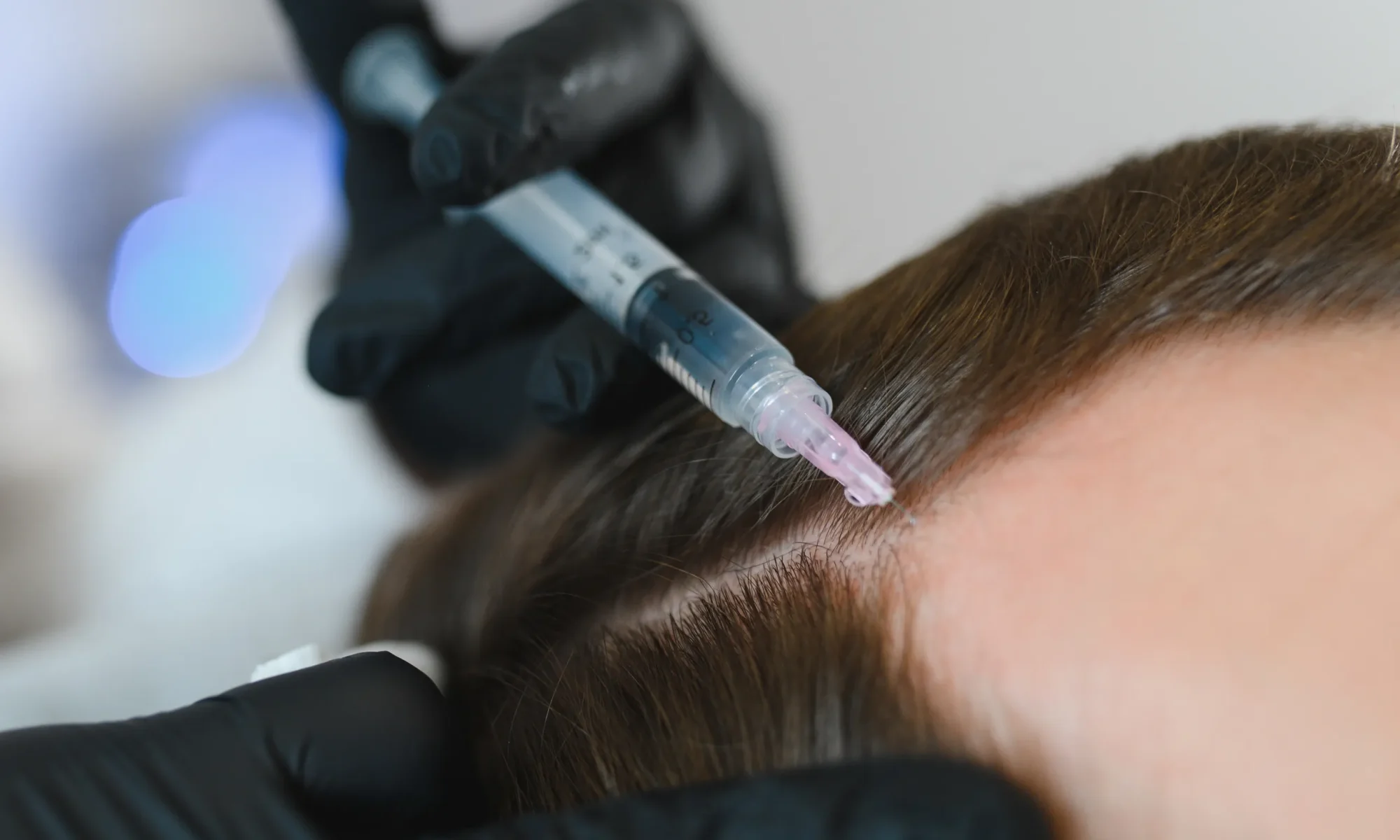
PRP after hair transplant procedure with black gloved specialist injecting the scalp.

PRP After Hair Transplant: Is It Worth Considering?

PRP after hair transplant surgery is a topic that comes up frequently during post-operative consultations, and for good reason. Some specialists include platelet-rich plasma as part of the follow-up plan for select patients, while others do not consider it necessary in every case. Whether it belongs in your recovery protocol depends on your individual situation, the technique used, and what your medical team observes during the healing process.

This blog explains what PRP involves in the context of post-transplant care, what questions to ask, and how Cancun Hair Restoration approaches the decision.
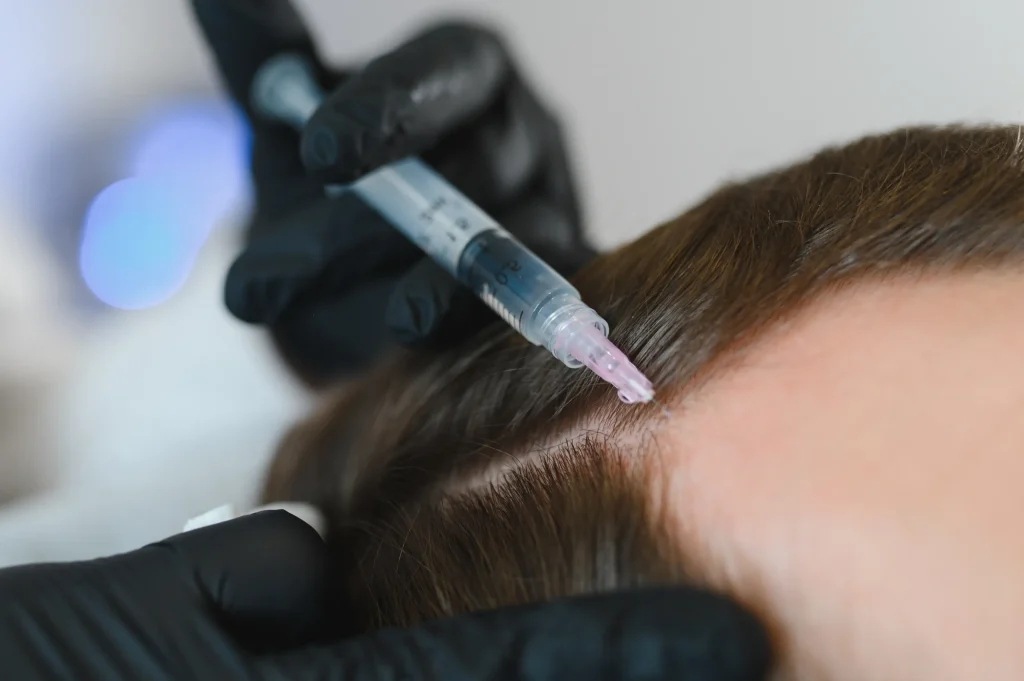
PRP after hair transplant procedure with black gloved specialist injecting the scalp.

What is PRP and why is it used after a hair transplant?

Platelet-rich plasma is prepared from a small sample of the patient’s own blood, which is processed by centrifugation to concentrate the platelets and the growth factors they contain. The resulting plasma is then injected directly into the scalp.

PRP is used because of the growth factors it delivers, including VEGF, PDGF, and IGF-1, which are associated with tissue repair, blood vessel formation, and follicle activity. The rationale for including it after surgery is that these signals may support the scalp environment during a period when hair grafts are establishing themselves and the tissue around them is healing.

It is an autologous treatment, meaning it comes entirely from the patient’s own biology, which limits the risk of allergic reaction and makes it compatible with most post-surgical protocols.

What can PRP do after a hair transplant?

Specialists who include platelet-rich plasma after hair transplant in their protocols typically do so with one or more of the following objectives in mind:

PRP is a complementary treatment, not a corrective one. It does not compensate for poor surgical technique, and it does not guarantee a specific density or growth timeline. Its role, when indicated, is to support a process that is already underway.
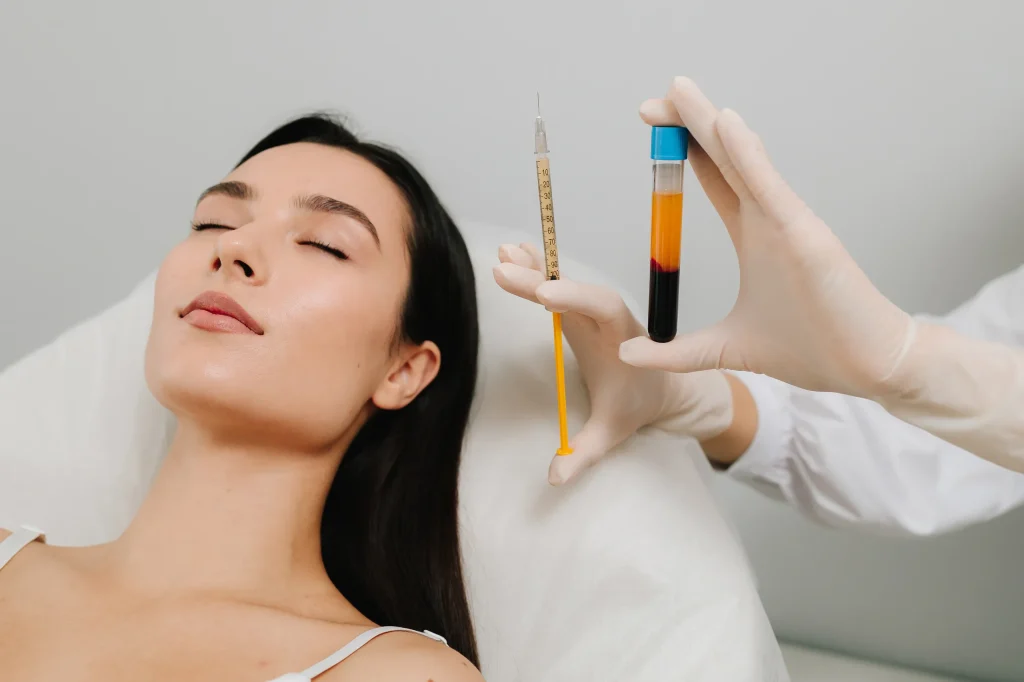
PRP after hair transplant showing a medical tube with plasma and syringe before treatment.

When can PRP be considered after hair transplant surgery?

There is no universal timeline that applies to every patient. The appropriate moment for PRP following hair transplant surgery depends on how the scalp is healing, which technique was used, and what the specialist observes during follow-up appointments.

Some protocols introduce PRP in the weeks following surgery , once the initial healing phase has progressed sufficiently. Others incorporate it at a later stage , when the focus shifts from graft survival to stimulating active growth in the recipient area. In some cases, a specialist may recommend waiting several months before evaluating whether PRP adds meaningful value to the treatment plan.

PRP after FUE hair transplant recovery may be timed differently from PRP following FUT, where the donor area involves a larger wound that requires its own healing timeline. The same applies to DHI and ARTAS procedures, which have their own post-operative characteristics. The timing is a clinical decision, not a calendar one. A scalp evaluation at the appropriate stage of recovery is what informs it.

Is PRP necessary for every hair transplant patient?

No. PRP is an option that may be appropriate for some patients and not indicated for others. Factors that influence whether a specialist might consider it include:

What should you ask during your follow-up appointment?

If PRP comes up as a recommendation during your post-operative care, these questions can help you evaluate whether it is the right addition to your plan:
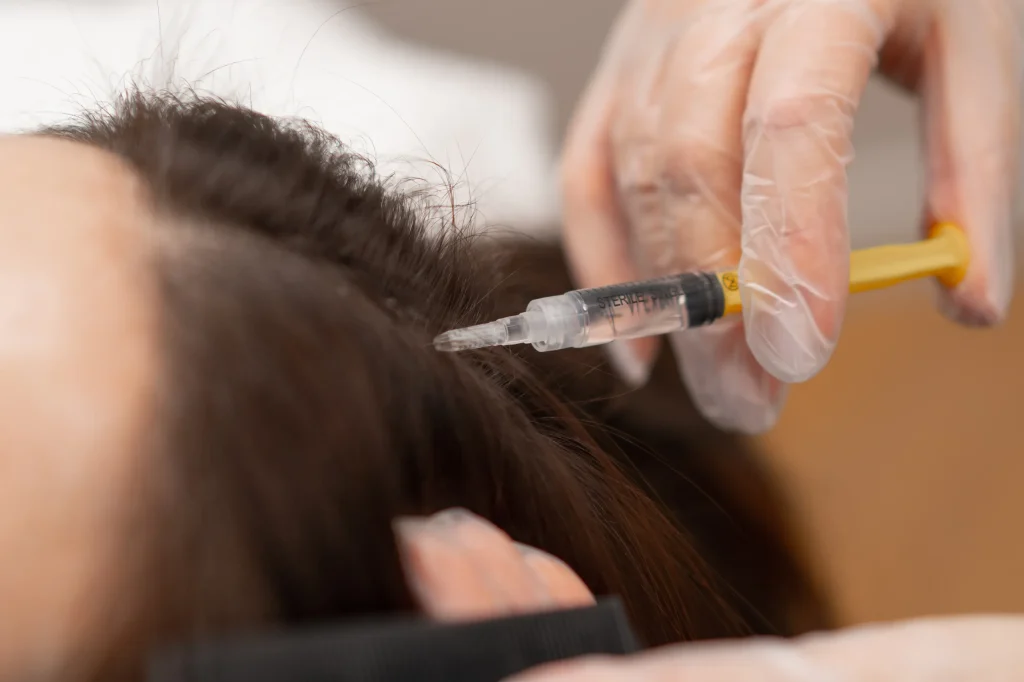
PRP after hair transplant treatment with a close-up injection into dark hair scalp.
  • What specific objective are you trying to achieve with PRP in my case? The answer should be specific to your recovery progress, not a general benefit statement.
  • At what stage of my recovery do you recommend introducing it, and why?
  • How many sessions are you proposing, and what is the interval between them?
  • Are there areas outside the transplanted zone where you believe PRP would add value?
  • What are the risks or contraindications for my specific health profile?
  • What would you observe in my follow-up evaluation to determine whether PRP is indicated or not?
  • What is the cost of the proposed protocol, and what does it include?

Explore PRP treatment at Cancun Hair Restoration

At Cancun Hair Restoration, PRP therapy is offered as part of a personalized post-operative follow-up protocol for patients whose evaluation indicates it may be a useful complement to their recovery. The decision is made by the medical team based on each patient’s progress, not as a default addition to every treatment plan.
How Much Does a Beard Transplant Cost in Mexico?

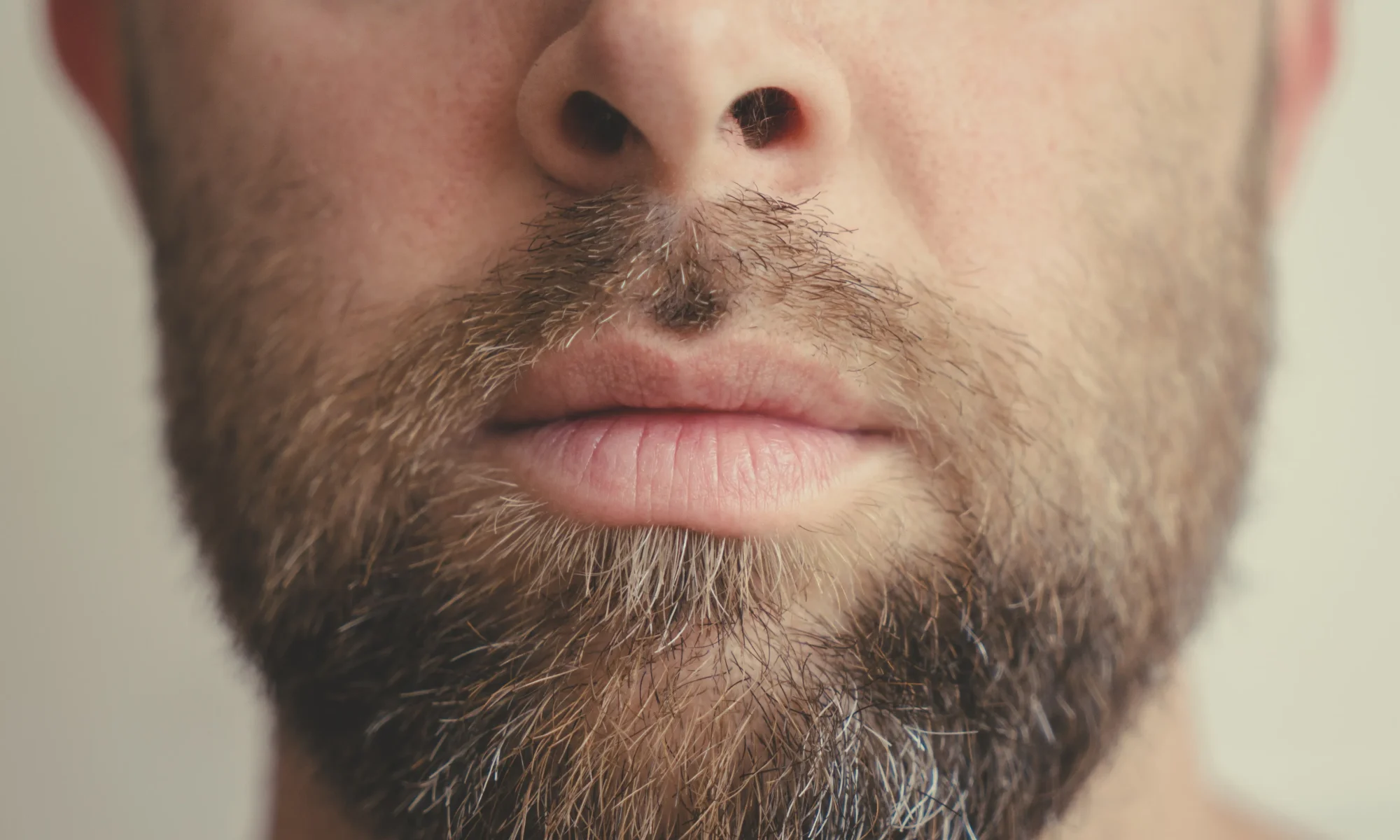
Close-up of a man with a thick, well-groomed full beard after discussing affordable beard transplant cost in Mexico.

How Much Does a Beard Transplant Cost in Mexico?

Beard transplant cost in Mexico is one of the first questions men research when they start considering this procedure, and the honest answer is that it depends on each individual case. There is no single price that applies to every patient, because the scope of a beard restoration varies significantly from one person to the next.

What this blog explains is what drives the cost, what to verify when you request a quote, and how to get an accurate estimate for your specific situation.

What Affects Beard Transplant Cost in Mexico?​

The price of a beard transplant Mexico procedure is shaped by several clinical and logistical variables. Understanding each one helps you evaluate quotes accurately and avoid comparing packages that are not actually equivalent.

Treatment Area and Desired Beard Design

The size and complexity of the area being treated is one of the most direct cost factors. A facial hair transplant designed to cover a small patch differs significantly in scope from one that addresses the full beard, sideburns, and jaw line simultaneously.

Common treatment objectives include:

Each of these goals involves a different number of grafts, a different implantation map, and a different level of surgical complexity. The more detailed and extensive the beard restoration plan, the more the procedure reflects that scope in the final quote.

Number of Grafts and Donor Area

The estimated number of grafts required is the most direct variable in the pricing of any hair transplant procedure, including facial hair work. A specialist determines this figure after evaluating:

A mustache transplant may require between 300 and 600 grafts. A full beard construction can require 1,500 or more. The difference in graft count translates directly into differences in procedure time, surgical complexity, and cost. The only reliable way to establish that number is through a clinical assessment of the patient’s facial anatomy and donor supply.

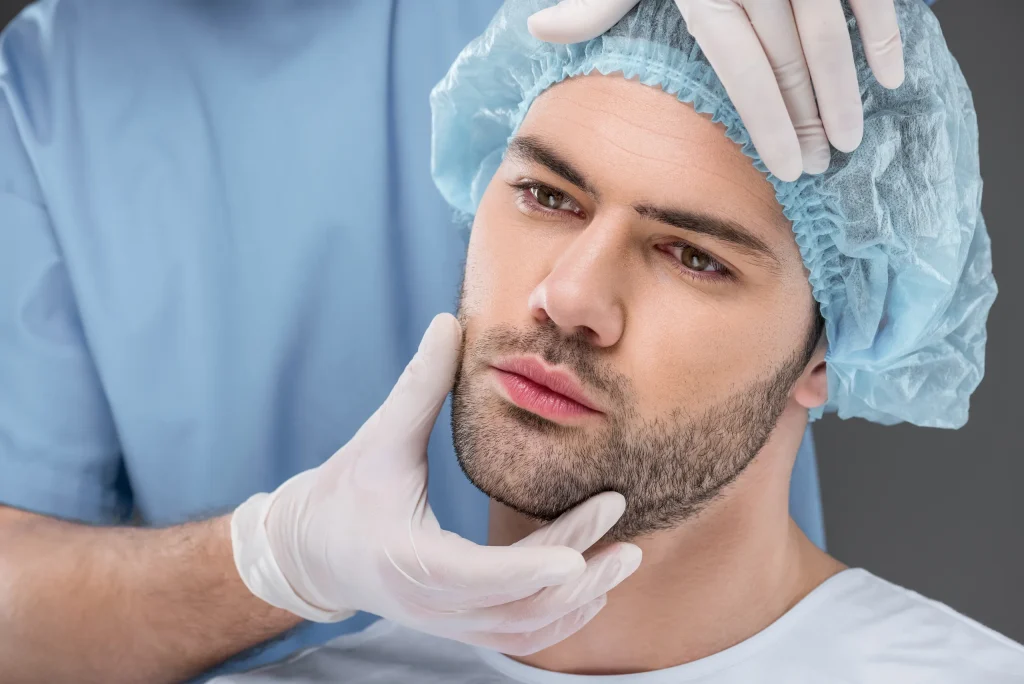
Doctor examining a male patient before facial hair restoration to estimate the beard transplant cost in Mexico.

What Is Included in the Quote?

When comparing beard transplant price quotes across clinics, the total number matters less than what is actually included. Before accepting any figure, verify whether the quote covers:

A lower headline price that excludes several of these items may end up costing more in total than a higher quote that bundles them. Asking for an itemized breakdown before committing is standard practice and any reputable clinic should be willing to provide it.

Does a Beard Transplant Cost the Same as Other Facial Hair Transplants?

Not necessarily. A beard transplant Mexico procedure, a mustache transplant, and a sideburn restoration involve different anatomical zones, different implantation angles, and different graft requirements. Each is planned individually.

A mustache transplant, for example, involves a relatively small but technically demanding zone where the direction of each graft is critical to the final appearance. Sideburn restoration may require fewer grafts but precise blending with the existing hairline.

A full beard construction combines multiple zones and typically involves a higher total graft count than any single facial area alone.

The facial hair transplant cost in Mexico for each of these variations reflects the scope of the work, not a fixed category price. If you are considering more than one area, the consultation is the right moment to evaluate whether a combined approach makes clinical and economic sense.

How Can You Get an Accurate Beard Transplant Quote?

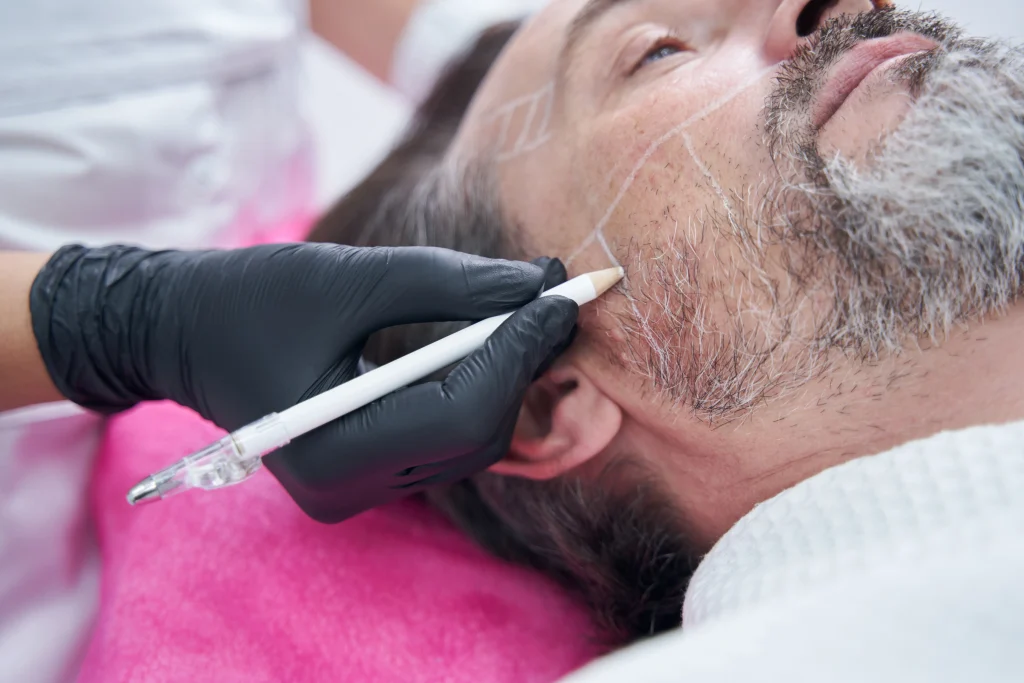
Specialist drawing surgical lines on a patient's face to plan facial hair density and beard transplant cost in Mexico.

The only reliable way to determine how much does a beard transplant cost for your specific case is through a direct clinical evaluation. During a consultation, the specialist reviews:

The current state...

The current state of your facial hair, including density, distribution, and any areas of complete absence

The quality and availability of your donor area for follicular extraction

The beard design you are hoping to achieve, including contour, density targets, and which zones are the priority

Your general health and any factors that could influence candidacy or healing

Once these elements are assessed, the specialist can provide a personalized quote that reflects the actual scope of your procedure, rather than a generic estimate based on average cases.

Considering a Beard Transplant in Cancun?

At Cancun Hair Restoration, facial hair procedures are performed by a certified medical team with over 20 years of combined experience in hair and follicular restoration. 

Every case begins with an individual assessment, and the treatment plan is built around the patient’s anatomy, donor supply, and aesthetic goals rather than a standard package.

Browse the documented results from real patients treated at CHR and see what facial hair restoration can achieve. When you are ready to take the next step, the consultation is the place to start.


Exosomes vs PRP for hair loss: which treatment is right for you?

Exosomes vs PRP for hair loss: which treatment is right for you?

If you are researching non-surgical options for hair thinning, two treatments have moved to the center of the conversation in 2026: exosomes vs PRP for hair loss. Both belong to regenerative medicine, both stimulate the scalp’s natural recovery mechanisms, and both are used in certified hair restoration clinics worldwide. But they work through different biological pathways, have different evidence bases, and suit different patient profiles. Understanding those differences is what makes the choice meaningful.

What are exosomes?

Exosomes are nanosized extracellular vesicles produced by cells as part of normal biological communication. In the context of exosome hair therapy, the vesicles used are typically derived from mesenchymal stem cells and contain a concentrated payload of growth factors, proteins, and cell signaling molecules that influence follicle behavior.

Exosomes play a key role in cell communication, homeostasis, differentiation, and organogenesis, and have demonstrated a significant role in hair morphogenesis and regeneration. They are applied directly to the scalp (most commonly through microneedling), where they communicate with hair follicle cells and promote regenerative activity

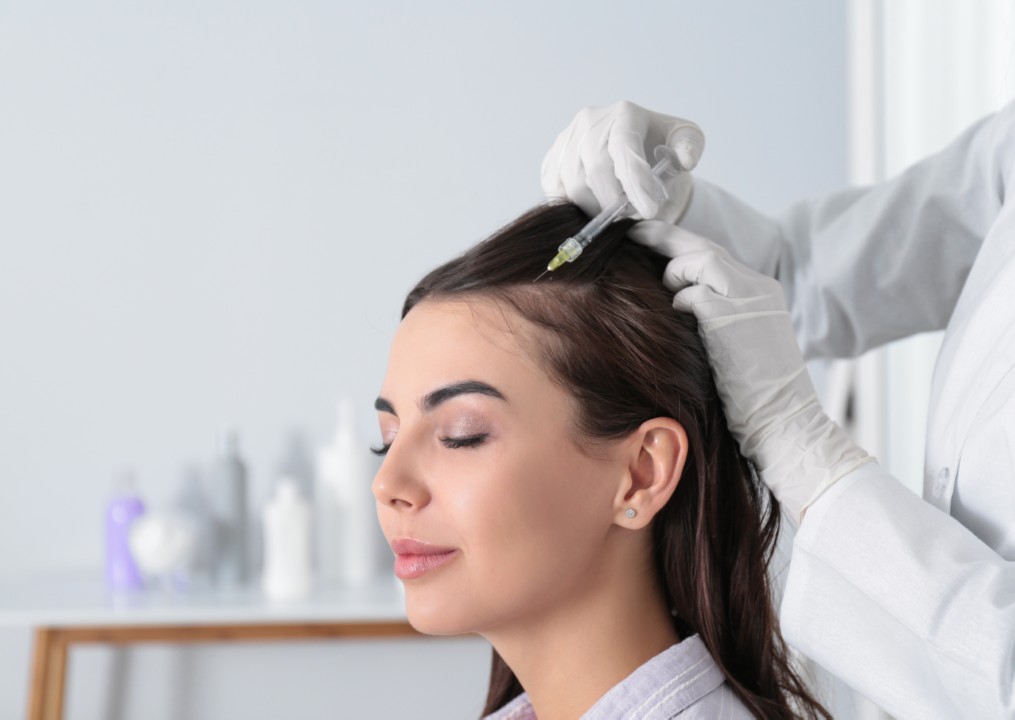
Medical professional administers a scalp injection, a critical step in both exosomes vs PRP for hair loss.

What Is PRP Therapy?

PRP hair treatment (Platelet-Rich Plasma) uses the patient’s own blood, processed to concentrate the platelets and the growth factors they contain, then injected directly into the scalp. This is an autologous treatment, meaning it comes entirely from the patient’s own biology, with no external biological material involved.

PRP is widely supported by a 2025 analysis of controlled trials confirming it significantly increases hair density and reduces hair loss. It is currently the most established non-surgical biological treatment for androgenetic alopecia, with over 15 years of supporting clinical data.

Exosomes vs PRP: Key Differences

Recovery Time

PRP delivers platelet-rich plasma growth factors to stimulate follicle activity, increase blood supply around the follicle, and extend the active growth phase of the hair cycle.

Exosomes deliver a broader and more concentrated set of cell signaling molecules, targeting dermal papilla cells, activating follicle stem cells, and modulating inflammatory pathways that contribute to follicle miniaturization.

Treatment Process

PRP requires a blood draw, centrifugation to concentrate the platelets, and direct scalp injection. The process takes approximately 60 to 90 minutes per session, and most protocols involve 3 to 6 sessions over several months.

Exosome therapy does not require a blood draw. The product is prepared externally and applied to the scalp, most commonly through microneedling. Sessions are fewer in number, with some protocols achieving meaningful results in a single session.

How They Work

PRP delivers platelet-rich plasma growth factors to stimulate follicle activity, increase blood supply around the follicle, and extend the active growth phase of the hair cycle.

Exosomes deliver a broader and more concentrated set of cell signaling molecules, targeting dermal papilla cells, activating follicle stem cells, and modulating inflammatory pathways that contribute to follicle miniaturization.

Expected Results

Feature PRP Exosomes
Evidence base Extensive (43 RCTs, 2025 meta-analysis) Promising, early-stage
Sessions required 3 to 6 over several months Fewer, sometimes 1 session
Speed of response Reduced shedding at 2 to 3 weeks, density at 3 to 6 months Potentially faster initial response
Ideal stage Early to moderate hair loss Moderate, or after PRP non-response
Source Patient's own blood (autologous) External stem cell-derived product
Evidence base
PRP: Extensive (43 RCTs, 2025 meta-analysis)
Exosomes: Promising, early-stage
Sessions required
PRP: 3 to 6 over several months
Exosomes: Fewer, sometimes 1 session
Speed of response
PRP: Reduced shedding at 2 to 3 weeks, density at 3 to 6 months
Exosomes: Potentially faster initial response
Ideal stage
PRP: Early to moderate hair loss
Exosomes: Moderate, or after PRP non-response
Source
PRP: Patient's own blood (autologous)
Exosomes: External stem cell-derived product

Which patients may benefit from each treatment?

PRP is generally recommended for: Exosome therapy tends to suit:
Patients with early to moderate androgenetic alopecia (Norwood I to IV in men, Ludwig I to II in women) Patients who have completed a standard PRP protocol (minimum 4 to 6 sessions) without adequate response, since exosome therapy's different mechanism of action means it may be effective where PRP was not
Those seeking a well-established, evidence-based non-surgical option Those with more advanced hair loss who remain candidates for non-surgical treatment
Patients in post-transplant recovery to support graft survival Those seeking the most advanced regenerative hair therapy currently available in a clinical setting
Those for whom cost is a significant factor, as PRP is typically more accessible
Comparison 1
PRP is generally recommended for: Patients with early to moderate androgenetic alopecia (Norwood I to IV in men, Ludwig I to II in women)
Exosome therapy tends to suit: Patients who have completed a standard PRP protocol (minimum 4 to 6 sessions) without adequate response, since exosome therapy's different mechanism of action means it may be effective where PRP was not
Comparison 2
PRP is generally recommended for: Those seeking a well-established, evidence-based non-surgical option
Exosome therapy tends to suit: Those with more advanced hair loss who remain candidates for non-surgical treatment
Comparison 3
PRP is generally recommended for: Patients in post-transplant recovery to support graft survival
Exosome therapy tends to suit: Those seeking the most advanced regenerative hair therapy currently available in a clinical setting
Comparison 4
PRP is generally recommended for: Those for whom cost is a significant factor, as PRP is typically more accessible

Can they be combined?

Yes, in select cases. Some clinical protocols combine both treatments to address hair follicle regeneration through complementary mechanisms simultaneously. PRP provides an immediate growth factor environment while exosomes deliver deeper cell signaling that targets follicle stem cell activity.

Whether a combined approach is appropriate depends entirely on the patient’s hair loss stage, treatment history, and clinical evaluation. This is not a universal recommendation, and the decision should always be made by a certified specialist after a thorough diagnostic assessment.

Can they be combined?

Professional hair restoration in Cancun

At Cancun Hair Restoration, both PRP therapy and exosome-based treatments are offered as part of a broader, personalized approach to hair restoration treatments. Every patient undergoes a clinical evaluation before any protocol is recommended, ensuring that the treatment selected is appropriate for their specific diagnosis, not a generic suggestion.


CHR’s certified medical team brings over 20 years of combined experience in hair restoration, post-operative support, and follow-up care.

Other hair restoration options

Depending on the clinical evaluation, the following treatments may also be considered as part of a comprehensive plan:

Copper Peptides

Stem Cell Therapy

Close-up of a blood sample and syringe, essential elements to consider for exosomes vs PRP for hair loss

Find the right hair restoration treatment

There is no universal answer to the PRP vs exosomes question. PRP remains the appropriate first-line non-surgical biological treatment for hair loss in 2026 for the majority of patients, while exosome therapy represents a compelling option for a specific subset of cases where standard protocols have not produced sufficient results or where a more advanced regenerative approach is clinically indicated. 

The right choice depends on your hair loss stage, treatment history, and what a thorough professional evaluation reveals about your follicle condition.

Hair growth peptides: could they help hair loss?

Hair growth peptides: could they help hair loss?

Have you noticed your hair becoming thinner and wondered whether hair growth peptides could help? As regenerative medicine continues to evolve, peptides have become an area of growing interest for supporting scalp health and hair follicle function. While they are not a cure for hair loss, they may play an important role in personalized treatment plans designed to address different stages of hair thinning.

What are hair growth peptides?

Hair growth peptides are short chains of amino acids that act as biological signaling molecules within the body. Certain peptides are being studied for their ability to support cellular communication and contribute to healthy tissue function, including the scalp and hair follicles.

Peptides for hair growth are not designed to create new hair follicles. Instead, they are used to help optimize the environment surrounding existing follicles, supporting normal biological processes involved in healthy hair growth. Depending on the patient’s diagnosis, hair growth peptide therapy may be combined with other regenerative approaches as part of a personalized hair restoration strategy.

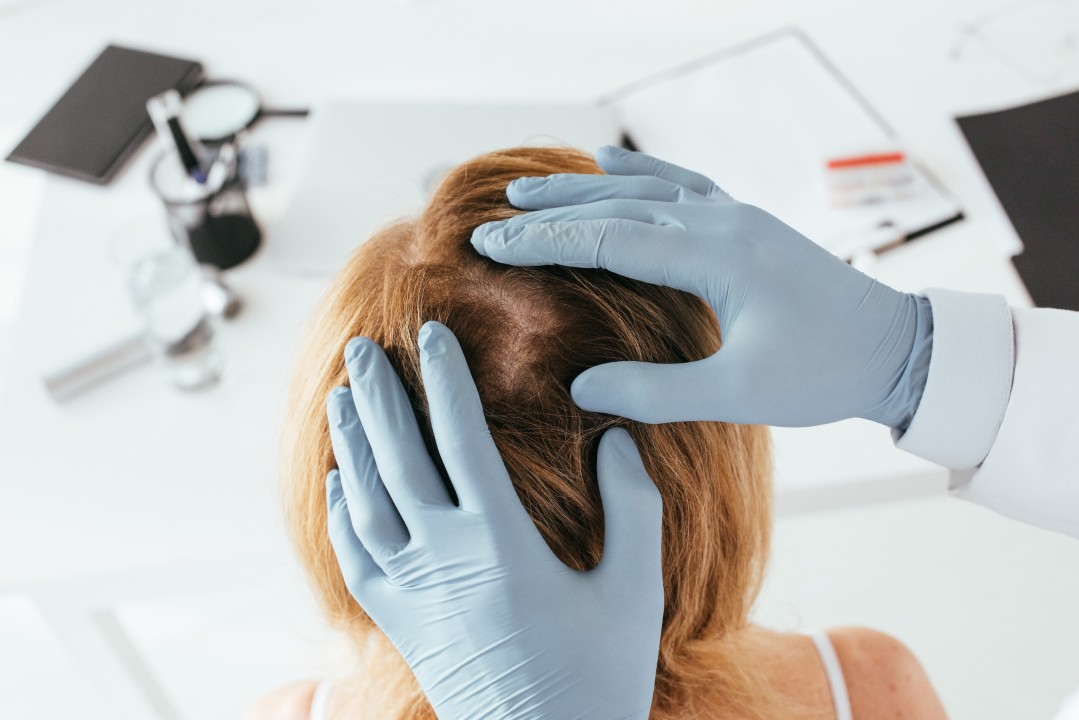
Trichologist, maybe discussing hair growth peptides, examining a patient's blonde hair and scalp with gloved hands.

How do peptides support hair growth?

Supporting Hair Follicle Function

Healthy hair depends on properly functioning follicles. Certain peptides, including GHK-Cu Peptides, are being investigated for their potential role in supporting normal follicular activity through cellular signaling. This process may contribute to improved hair follicle stimulation, especially in individuals experiencing early stages of hair thinning.

Promoting a Healthy Scalp Environment

The scalp provides the foundation for healthy hair growth. Some peptides may help support tissue repair and maintain a balanced scalp environment by encouraging normal cellular activity. A healthier scalp may provide favorable conditions for ongoing hair regeneration, particularly when combined with comprehensive medical care.

Encouraging Stronger Hair Growth

Rather than forcing hair to grow, peptides work by supporting the body’s natural biological functions. Their role is to encourage healthier follicle performance, which may contribute to stronger, thicker-looking hair over time when appropriate candidates receive a personalized treatment plan. Individual responses vary, and outcomes depend on factors such as the cause of hair loss, overall health, and treatment consistency.
Hand with a dropper applying nutrient-rich oil, which could contain hair growth peptides, to a person's scalp.

Types of peptides used for hair restoration

Bioactive Peptides

Bioactive peptides include a broader category of naturally occurring or laboratory-developed compounds that interact with specific cellular pathways. Researchers continue to evaluate how these peptides may contribute to hair regeneration as part of multimodal treatment strategies.

Copper Peptides (GHK-Cu)

Among the best-known options are GHK-Cu Peptides, commonly referred to as Copper Peptides for Hair. These naturally occurring peptides bind to copper ions and have been widely studied within regenerative medicine for their involvement in tissue repair and cellular communication. Their potential role in supporting scalp health has made them a common component of hair restoration protocols.

Signal Peptides

Signal peptides help cells communicate more effectively by transmitting biological messages that regulate normal cellular functions. In hair restoration, they are being studied for their ability to support follicle activity and maintain healthy scalp tissues.

Peptides vs Other hair restoration treatments

Peptides vs Hair Transplant

A hair transplant surgically relocates healthy follicles to areas affected by hair loss. Peptides are non-surgical and are generally considered supportive therapies intended to optimize follicle function rather than replace lost follicles. In some cases, they may be incorporated into comprehensive treatment plans before or after transplantation.

Happy man checking his fuller hair in a mirror, a possible result of hair growth peptides treatment.

Peptides vs PRP

Platelet-Rich Plasma (PRP) uses the patient’s own blood-derived growth factors, while peptides deliver targeted biological signals. These therapies may complement one another rather than compete, depending on the patient’s condition.

Peptides vs Exosomes

Exosome therapy focuses on extracellular vesicles that facilitate communication between cells. Peptides, on the other hand, consist of specific amino acid sequences that influence biological pathways. Both are being studied within regenerative medicine, and each has different clinical applications.

Who may benefit from hair growth peptides?

A professional evaluation helps determine whether hair growth peptide therapy may be appropriate. Candidates are:

Individuals experiencing early hair thinning

Men with male pattern hair loss

Individuals interested in personalized regenerative treatment plans

Women with diffuse hair thinning

Patients seeking non-surgical hair restoration options

Professional hair restoration in Cancun

At Cancun Hair Restoration, treatment recommendations are based on each patient’s diagnosis rather than a one-size-fits-all approach. A comprehensive consultation with us allows specialists to evaluate hair density, scalp condition, and the progression of hair loss before recommending appropriate therapies.

Complementary hair restoration treatments

Hair restoration often involves combining different therapies to address multiple aspects of hair health. Depending on individual needs, treatment plans may include:

PRP

Exosomes

Personalized Treatment Plans

Copper Peptides

Hair Transplant

Start your hair restoration journey today

Hair loss affects every patient differently, which is why there is no universal solution. Hair growth peptides represent one of several regenerative options that may support scalp health and healthy follicle function when incorporated into a personalized treatment plan.

 

The most appropriate treatment always begins with a thorough medical evaluation. By identifying the underlying cause of hair loss, specialists can recommend the combination of therapies, including peptides, PRP, exosomes, or hair transplantation, that best aligns with each patient’s needs and long-term hair restoration goals.

What to look for in a hair transplant clinic before booking your procedure

What to look for in a hair transplant clinic before booking your procedure

The decision to undergo a hair transplant is significant, and the clinic you choose is just as important as the procedure itself. Two patients can receive the same technique and achieve very different outcomes, depending on the experience of the medical team, the technology available, and the quality of the personalized care they receive throughout the process.

Knowing what to look for before committing to a hair transplant clinic is what separates a confident, well-informed decision from one made on price alone.

Why choosing the right hair transplant clinic matters

The clinical environment in which a hair transplant is performed directly determines three things: the safety of the procedure, the naturalness of the aesthetic result, and the overall patient experience from consultation through recovery.

The best hair transplant clinic is not simply one with attractive pricing or a polished website. It is one where certified specialists, proven techniques, and individualized care work together to produce results that hold up over time. 

Choosing based on cost alone is the primary risk factor in hair restoration, and the majority of revision cases trace back to that decision.

Female doctor performing a scalp injection at a hair transplant clinic.

Key factors to consider before choosing a hair transplant clinic

Before and after results

Hair transplant results from real patients are one of the most reliable indicators of what a clinic can realistically deliver. A reputable clinic maintains a transparent gallery of documented cases, including patients with hair loss profiles similar to yours. Generic or limited before-and-after documentation is a signal worth taking seriously.

Personalized hair restoration consultation

Every patient’s hair loss is different. The degree of thinning, the density and quality of the donor area, the hair loss pattern, and the patient’s long-term goals all influence which technique is appropriate and how many grafts are needed. A clinic that offers a genuine hair restoration clinic consultation, rather than a sales conversation, is one that prioritizes results over volume.

Advanced hair transplant technology

Modern hair transplant procedure outcomes depend significantly on the technology used. Clinics that offer ARTAS robotic extraction, FUE with precision micro-punches, and diagnostic tools for donor area mapping are better positioned to deliver consistent, minimally invasive results than those relying on outdated equipment. Technology does not replace surgical skill, but it does reduce variability and minimize trauma to the follicle during extraction.

Experienced hair restoration specialists

The surgeon performing the procedure is the single most important variable in the outcome. A qualified hair restoration specialist holds recognized board certifications (such as ISHRS membership or equivalent), has a documented track record in hair restoration surgery specifically, and leads the procedure directly rather than delegating critical steps to non-medical technicians.

Do not be afraid to ask about the surgeon’s credentials, years of experience, and specialization before booking any consultation.

Patient's hairline marked before surgery at a hair transplant clinic.

Questions you should ask during your consultation

Which procedure is best for me?

Am I a good candidate?

Specialist shows scalp analysis to patient at a hair transplant clinic.

What results can I realistically expect?

What is the recovery process?

Who is a good candidate for a hair transplant?

Male pattern baldness with a stable, clearly defined loss pattern and adequate donor density

Female hair thinning where diffuse loss has not responded sufficiently to non-surgical treatment

Patients with a stable donor area that can provide viable grafts without over-harvesting

Individuals seeking permanent hair restoration rather than ongoing medical management

Patients with realistic expectations about the gradual nature of results and the scope of what surgery can achieve

Professional hair restoration in Cancun

At Cancun Hair Restoration, every patient receives a personalized evaluation by a certified medical team with over 20 years of combined experience in hair restoration surgery. CHR’s specialists assess each patient’s hair loss pattern, donor area condition, and long-term goals before recommending any treatment, ensuring the plan is built around the individual rather than a standard protocol.

Hair restoration treatments available

Depending on the results of the clinical evaluation, the following treatments may be recommended individually or as part of a combined protocol:

PRP Therapy

Growth factor injections to stimulate active follicles in early to moderate cases

Exosome Therapy

Advanced regenerative option for patients who have not responded adequately to PRP

Stem Cell Therapy

Complementary regenerative support for complex cases

Robotic FUE for precise, consistent, minimally invasive permanent restoration

FUE Hair Transplant

The most widely used surgical technique for natural results with no visible linear scarring

The appropriate treatment depends entirely on what a thorough professional evaluation reveals.

Choose the right hair transplant clinic with confidence

Selecting a specialized, certified hair transplant clinic significantly increases the likelihood of achieving natural, safe, and lasting results. The combination of experienced surgeons, advanced technology, individualized diagnosis, and comprehensive post-operative care is what distinguishes a clinic that delivers on its promises from one that does not.

Choosing with confidence means choosing based on credentials, documented results, and the quality of the consultation, not on the lowest price point.

Stem cell therapy for hair loss: Is It Right for You?

Stem cell therapy for hair loss: Is It Right for You?

Have you ever wondered whether stem cell therapy for hair loss could help address hair thinning before it becomes more noticeable? Advances in regenerative medicine have expanded the range of options available for people experiencing different forms of hair loss. Among the most promising areas of research are Mesenchymal Stem Cells (MSCs), which are currently being studied for their potential to support healthier hair follicles and improve the scalp environment.

Although research continues to evolve, stem cell-based approaches are becoming part of personalized treatment plans for selected patients.

What is stem cell therapy for hair loss?

Stem cell therapy for hair loss refers to regenerative approaches that use the biological properties of Mesenchymal Stem Cells (MSCs) to support scalp and hair follicle health. MSCs are adult stem cells that are being studied because they can release signaling molecules capable of influencing tissue repair and cellular communication.

Within regenerative medicine, the goal of a stem cell hair treatment is not simply to replace lost hair but to create conditions that may support healthier follicles. Researchers continue to investigate how these cells interact with the scalp and whether they may contribute to hair follicle regeneration in certain patients.

It is important to understand that not every type of hair loss responds in the same way, which is why professional evaluation remains essential before recommending any hair loss treatment.

Un médico inyectando stem cell therapy for hair loss en el cuero cabelludo de un paciente.

How does stem cell therapy work?

Supporting Hair Follicle Regeneration

Hair follicles depend on a healthy biological environment to function properly. MSC-based therapies are being studied because they may release growth factors and signaling molecules that help support tissue repair and cellular communication around existing follicles.

Rather than creating new follicles, current research focuses on how these therapies may contribute to hair follicle regeneration by improving the environment surrounding weakened follicles.

Stimulating Hair Growth

One objective of stem cells for hair growth is to encourage normal follicle activity in suitable candidates. Researchers are evaluating whether regenerative signaling may help extend the natural growth phase of the hair cycle in some individuals experiencing hair thinning or early-stage hair loss.

While results vary from patient to patient, this form of hair regeneration therapy is designed to work with the body’s natural biological processes instead of masking the problem.

Personalized Treatment Plans

Every patient has unique needs. Before recommending a hair stem cell treatment, specialists perform a comprehensive evaluation that may include:

Medical history

Hair loss pattern

Scalp examination

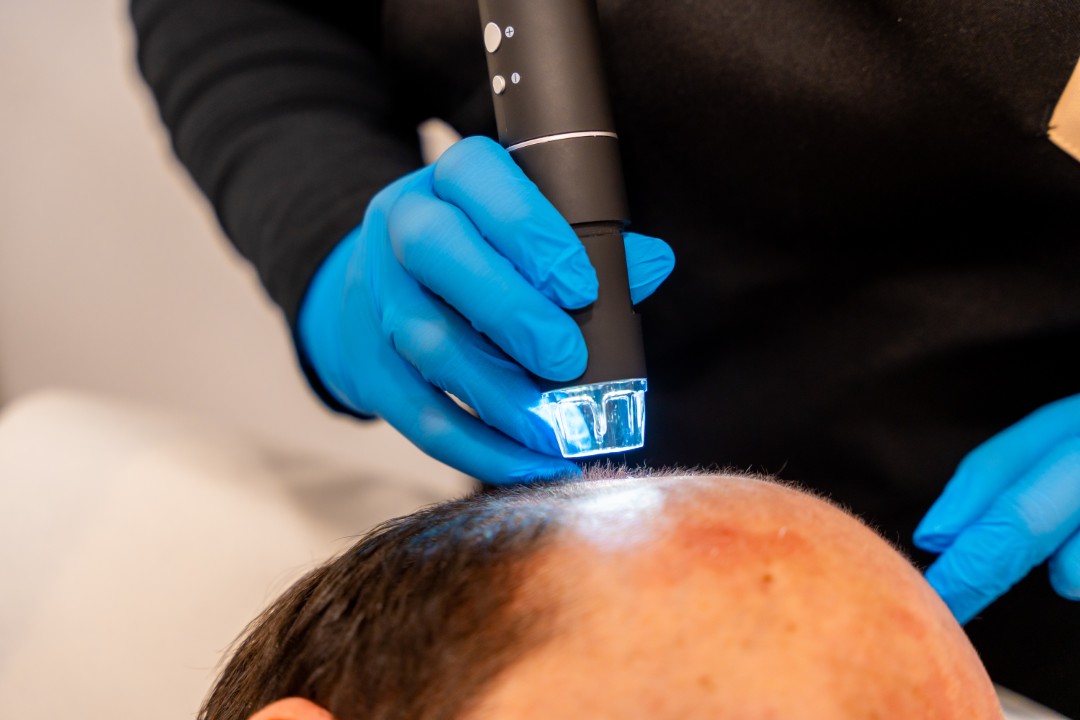
Un médico usando una herramienta de diagnóstico en el cuero cabelludo antes de stem cell therapy for hair loss.

Hair follicle condition

Previous treatments

Overall health

Professional hair restoration in Cancun

At Cancun Hair Restoration, every patient receives an individualized evaluation before any treatment recommendation is made. The clinic offers advanced diagnostic methods and modern hair loss treatment options designed around each person’s goals, medical history, and stage of hair loss.

Our team understands that successful hair restoration often requires combining clinical expertise with evidence-based regenerative therapies. When appropriate, stem cell-based treatments may become part of a personalized strategy alongside other advanced procedures available at the clinic

Who may benefit from stem cell hair therapy?

Although candidacy varies, a stem cell hair treatment may be considered for patients such as:

Individuals experiencing early hair thinning

Men with male pattern hair loss

Individuals combining regenerative therapies with other hair restoration procedures

Women with certain types of female hair loss

Patients interested in regenerative medicine approaches

Stem cell therapy vs Other hair restoration treatments

Stem Cells vs PRP

Platelet-Rich Plasma (PRP) uses the patient’s own blood platelets to deliver growth factors that support scalp health. Stem cell therapy focuses on regenerative cellular signaling through Mesenchymal Stem Cells. Depending on the diagnosis, some patients may benefit more from PRP, while others may be candidates for stem cell-based approaches or a combination of therapies.

Stem Cells vs Exosomes

Exosome therapy uses extracellular vesicles that facilitate communication between cells. Stem cell therapy and exosome therapy are both being studied within regenerative medicine, but they work through different biological mechanisms. A specialist determines which option may better match the patient’s condition.

Stem Cells vs Hair Transplant

Hair transplantation physically relocates healthy follicles from one area of the scalp to another. Procedures such as FUE or ARTAS are generally recommended when permanent follicle loss has occurred. By comparison, stem cell therapy for hair loss is typically explored as a regenerative option for patients who still have functioning follicles that may benefit from biological support.

Additional hair restoration options

Stem cell therapy represents only one component of modern hair restoration. Depending on your diagnosis, your specialist may recommend other treatments, including:

PRP Therapy

Exosome Therapy

Una especialista examinando el cuero cabelludo de un paciente antes de stem cell therapy for hair loss.

Copper Peptides

FUE Hair Transplant

The combination of different approaches may provide a more comprehensive treatment strategy when clinically appropriate.

Start your hair restoration journey today

If you are experiencing hair thinning or looking for advanced solutions supported by regenerative medicine, a professional consultation is the first step. At Cancun Hair Restoration, specialists evaluate every patient individually to determine whether stem cell therapy for hair loss, PRP, exosomes, or hair transplantation may be the most appropriate option.

Our personalized diagnosis allows you to understand the cause of your hair loss and explore treatment options based on your specific needs, helping you make informed decisions about your long-term hair restoration plan.

Exosomes treatment for hair loss: benefits, procedure and results

Exosomes treatment for hair loss: benefits, procedure and results

Could exosomes treatment be the next breakthrough in hair restoration? As regenerative medicine continues to evolve, more people experiencing hair thinning are exploring innovative, non-surgical options to support healthier hair growth. Among these emerging therapies, Exosome Therapy has gained attention for its potential to improve the scalp environment and encourage natural hair regeneration.

Exosomes work by supporting the body’s natural repair processes through cellular communication. While research is still ongoing, many specialists consider this approach a promising complement to modern hair restoration strategies.

What is exosome therapy?

Exosome Therapy is a regenerative treatment that uses microscopic extracellular vesicles called exosomes. These naturally occurring particles are released by cells and contain proteins, lipids, RNA, growth factors, and other signaling molecules that help cells communicate with one another.

In regenerative medicine, purified exosomes are applied to targeted areas to support tissue repair and improve cell signaling. When used for hair restoration, the goal is to create a healthier scalp environment that may encourage hair follicle regeneration and improve the quality of existing hair.

Rather than replacing hair follicles, exosomes help stimulate biological processes involved in tissue maintenance and repair.

Close-up: a gloved specialist applies a precise laser-guided exosomes treatment to a patient's scalp.

How does exosome treatment help hair growth?

Stimulating Hair Follicles

One of the primary goals of exosomes for hair loss is to support dormant or weakened hair follicles. By delivering signaling molecules and growth factors, exosomes may help encourage follicles to transition into the active growth phase of the hair cycle. Although results vary among individuals, this regenerative approach is designed to enhance the scalp’s natural ability to support hair growth.

Supporting Cellular Communication

Healthy hair depends on effective communication between scalp cells. Exosomes play an important role in cell signaling, helping cells exchange biological information that supports repair and regeneration. Improved cellular communication may contribute to a healthier scalp environment, which is essential for maintaining stronger, healthier hair.

Promoting Healthier Hair Growth

An Exosome Hair Treatment is intended to improve overall scalp health rather than simply masking hair loss. By supporting natural regenerative processes, the therapy may help:

Improve hair density

Enhance hair quality

Overhead view of a man's thinning crown before beginning a restorative exosomes treatment plan.
Support healthier follicles

Reduce the appearance of hair thinning

Because every patient responds differently, treatment outcomes should be evaluated individually by a qualified medical professional.

Who is a good candidate for exosome hair treatment?

An exosome hair treatment may be appropriate for patients experiencing certain types of hair loss, particularly in the early stages. Common candidates are:

Individuals with early hair thinning

Men experiencing male pattern baldness

Individuals combining regenerative therapies with other hair restoration procedures

Patients seeking non-surgical treatment options

Women with diffuse hair loss

A comprehensive medical evaluation is necessary to determine whether exosomes for hair loss are suitable for each patient’s condition and goals.

Exosomes vs Other hair restoration treatments

Exosomes vs PRP

Platelet-Rich Plasma (PRP) uses the patient’s own blood to obtain platelets rich in natural growth factors. Exosome Therapy differs because it delivers concentrated signaling molecules specifically involved in tissue regeneration. Both treatments aim to support scalp health, but they work through different biological mechanisms.

Exosomes vs Copper Peptides

Copper peptides are topical or injectable compounds that support skin repair and collagen production. Exosomes, on the other hand, provide a broader range of regenerative molecules involved in cell signaling, making them a more comprehensive Hair Regeneration Treatment in certain clinical settings.

Exosomes vs Hair Transplant

Hair transplantation physically relocates healthy follicles from a donor area to areas affected by hair loss. An Exosome Hair Treatment does not transplant new follicles. Instead, it seeks to improve the function of existing follicles and may be recommended for patients with early-stage hair loss or as a complementary therapy before or after transplant surgery.

The most appropriate treatment depends on:

The cause of hair loss

The amount of existing hair

A specialist uses a precision laser-like tool on a man's scalp for a non-surgical exosomes treatment.

The condition of the scalp

The patient’s long-term goals

Comparar indicaciones, beneficios y cuándo suele recomendarse cada alternativa.

What results can you expect from exosome therapy?

The results of exosome therapy vary from one patient to another. Several factors influence the outcome, including:

The underlying cause of hair loss

The health of existing hair follicles

The patient's overall health

The personalized treatment plan

Some patients may notice improvements in hair thickness, scalp quality, or reduced shedding over time. However, regenerative treatments do not produce identical results for every individual, and multiple sessions may be recommended depending on the clinical evaluation.

Regular follow-up with a qualified specialist helps monitor progress and determine whether additional therapies are appropriate.

Professional hair restoration in Cancun

At Cancun Hair Restoration, patients have access to advanced solutions designed to address different stages of hair loss. Every treatment begins with a personalized consultation to evaluate the scalp, identify the cause of hair loss, and recommend the most suitable approach.


Depending on the patient’s needs, treatment options may include exosome therapy, PRP, hair transplantation using advanced techniques, and other forms of Regenerative Hair Therapy. By combining modern technology with personalized care, the medical team develops treatment plans focused on long-term scalp health and natural-looking outcomes.

Other hair restoration treatments available

Personalized Hair Restoration Plans

PRP Therapy

Copper Peptides

Gloved hands examine a thinning scalp, preparing for an effective exosomes treatment procedure.

ARTAS Hair Transplant

Start your hair restoration journey today

If you’re experiencing hair thinning and looking for a modern, non-surgical approach, exosomes treatment may be worth exploring as part of a personalized hair restoration plan.

A professional consultation with us can help determine whether exosomes for hair loss are appropriate for your condition or if another Hair Regeneration Treatment would better meet your goals. Understanding your options is the first step toward healthier hair and greater confidence.

Copper peptides for hair growth: benefits, results and what to expect

Copper peptides for hair growth: benefits, results and what to expect

What if a naturally occurring molecule in your own body held part of the answer to hair thinning? Copper peptides for hair growth have moved steadily from laboratory research into clinical practice over the past decade, and the evidence behind them is more substantive than most people realize, though it comes with important nuances worth understanding before choosing this as part of a treatment plan.

What are copper peptides?

Copper peptides, particularly GHK-Cu and AHK-Cu, are short amino acid chains bound to copper that activate hair follicle stem cells, extend the growth (anagen) phase, and trigger the Wnt/beta-catenin signaling pathway. 

Endogenous levels of GHK-Cu decline with age, a drop that correlates with slower follicle cycling, thinner hair, and impaired scalp repair.

Today, GHK-Cu is used within regenerative medicine as a complementary agent to support scalp health and stimulate follicle activity, particularly when combined with delivery-enhancing methods such as microneedling.

Diagram showing hair follicle stimulation and scalp nourishment from copper peptides for hair growth treatment.

Stimulating hair follicles

Hair follicle stimulation is one of the primary documented mechanisms of GHK-Cu. GHK-Cu supports hair follicle health primarily by upregulating growth factors (VEGF, KGF, and IGF-1) and reducing pro-inflammatory signals that accelerate follicle miniaturization. A 2024 microemulsion study found copper peptide treated follicles entered the growth phase in as few as 6 days, compared to approximately 9 days for minoxidil alone.

Supporting scalp repair

Beyond direct hair follicle regeneration, copper peptides contribute to tissue remodeling and wound repair in the scalp environment. GHK-Cu suppresses the perifollicular inflammation that quietly chokes follicles over time, creating a healthier environment for sustained growth.

Improving air density

Lab and small clinical studies show copper peptides can increase hair follicle size by up to 40%, boost density by 30 to 40%, and reduce shedding by 25 to 30% over 2 to 6 months of consistent use. These figures reflect hair density improvements that, while modest compared to surgical restoration, are clinically meaningful in early stage cases.

Who can benefit from copper peptide hair treatment?

Early hair thinning

Patients noticing increased shedding or reduced density before significant follicle miniaturization has occurred

Male pattern hair loss

Early to moderate stages, as a complementary agent alongside finasteride or minoxidil

Female hair thinning

Particularly useful for diffuse thinning where non-surgical, low-risk approaches are preferred

Patients seeking non-surgical options

Those who are not yet candidates for a transplant or who prefer to exhaust regenerative approaches first

Patients combining regenerative therapies

Copper peptides pair well with PRP, exosome therapy, and microneedling as part of a multi-modal protocol

Copper peptides vs Other hair restoration treatments

Copper Peptides vs Hair Transplant

This comparison applies to fundamentally different stages of hair loss. Hair growth peptides support follicles that are still active, while a hair transplant addresses areas where follicles are no longer producing hair. For patients with advanced hair loss, no regenerative treatment replaces surgical restoration. However, copper peptides can complement post transplant recovery by supporting scalp health during the healing phase.

Specialist using a diagnostic camera on a smiling man testing copper peptides for hair growth on his scalp.

Copper Peptides vs Exosomes

Exosome therapy delivers a more concentrated and diverse regenerative payload than either PRP or copper peptides, making it the more advanced option for patients who have not responded to other non-surgical treatments. Copper peptides, by contrast, are more accessible and better studied in topical delivery formats, making them a practical first line regenerative option before escalating to exosomes.

Copper Peptides vs PRP

PRP uses the patient’s own concentrated platelets to stimulate follicle activity through direct growth factor delivery. It has a more established clinical evidence base than copper peptides, with over 15 years of supporting data. Copper peptides work best as part of a stack rather than as a sole therapy for moderate to severe pattern hair loss, and combining them with PRP targets complementary biological pathways simultaneously.

Professional hair restoration in Cancun

At Cancun Hair Restoration, the medical team evaluates each patient’s hair loss stage, scalp condition, and treatment history before recommending any protocol. CHR offers a full spectrum of hair restoration options, including non-surgical regenerative therapies and advanced surgical techniques, all delivered by a certified team with over 20 years of combined experience and full bilingual support for international patients.

Complementary hair restoration treatments

Depending on the clinical evaluation, the following treatments may be recommended alongside or instead of copper peptide therapy:

PRP Therapy

Growth factor injections to stimulate active follicles

Exosome Therapy

Advanced regenerative option for patients who have not responded to PRP

Robotic FUE for precise, minimally invasive permanent restoration

FUE Hair Transplan

The most widely used surgical technique for natural, scarless results

Personalized Hair Restoration Plans

 Multi-modal protocols combining regenerative and surgical approaches based on individual diagnosis

Start your hair restoration journey with expert guidance

No single treatment works equally well for every patient. The right approach depends on the stage of hair loss, the condition of the donor area, the patient’s treatment history, and their long-term goals. The strongest protocols combine multiple approaches, and identifying which combination is most appropriate for a specific case requires a professional evaluation, not a generic recommendation.

Does Hair Transplant Hurt? What Patients Really Experience

A doctor in a mask examines a man's bald scalp during a consultation to discuss "does hair transplant hurt".

Does Hair Transplant Hurt? What Patients Really Experience

One of the most common concerns among people considering hair restoration is pain. It is a fair concern, and one that deserves an honest, evidence based answer. Most patients report far less discomfort than they expect, and what they do feel is mild and manageable.

In this blog we break down exactly what to expect at every stage, from the procedure itself to full recovery.

Does a Hair Transplant Hurt?

The procedure itself is generally painless, since, before the procedure starts, the medical team administers local anesthesia to numb the scalp completely, ensuring patients do not feel pain during extraction and implantation.

What patients typically notice during surgery is pressure and vibration, not pain. A retrospective cohort study of nearly 20,000 FUE patients found that pre-procedure pain expectations exceeded 7 out of 10, while actual post-operative pain scores averaged just 1.70 (firmly within the mild range on a 10 point scale).

That gap between fear and reality is one of the most consistent findings in hair restoration data, hair transplant pain is almost always less than patients anticipate.

What Does a Hair Transplant Feel Like?

Anesthesia Process

The most painful step of the entire hair transplant process is the administration of local anesthesia itself. Most patients describe it as a brief stinging or pinching sensation that lasts only a few seconds per injection.

Follicle Extraction

Once the scalp is numb, patients do not feel pain during the extraction phase, instead noticing slight pressure rather than actual discomfort.

Graft Implantation

The same applies to implantation. During a multi-hour procedure, the predominant experience is often boredom rather than discomfort, and many patients watch shows, listen to music, or simply talk with the surgical team. If sensation begins to return at any point, the surgical team can apply additional anesthesia immediately.

A close-up of a follicular unit extraction procedure on a bloody scalp, relevant to the question "does hair transplant hurt".

Is FUE or DHI More Painful?

FUE Hair Transplant Pain Level

Patients who undergo FUE typically report only mild discomfort, often rating it between 0 and 2 on a 10 point scale. FUE extracts follicles individually using micro-punches, which reduces tissue trauma and typically shortens recovery discomfort compared to other techniques.

DHI Hair Transplant Pain Level

DHI uses a specialized implanter pen for more precise placement, which can result in less trauma to the scalp during implantation, and many patients report feeling comfortable with this approach. However, the dense implantation pattern used in DHI can increase short term tenderness at the recipient site compared to FUE.

Which Technique Has a More Comfortable Recovery?

Both techniques are considered minimally invasive, and the difference in comfort between them is generally small. FUT, by comparison, tends to cause slightly more soreness due to the presence of stitches in the donor area, with reported pain scores ranging from 1 to 4. For most patients, FUE and DHI offer the smoothest overall recovery experience.

Factors That Affect Hair Transplant Pain

Number of Grafts

Procedures involving a larger number of grafts naturally extend the time the scalp spends under treatment, which can slightly increase post-operative tenderness, particularly in the donor area.

Individual Pain Tolerance

Pain perception varies significantly from person to person. Surgeons take individual factors into account when planning pain management, since the same procedure can be experienced very differently from one patient to another.

Surgical Technique

As outlined above, FUE and DHI tend to produce less discomfort than FUT, primarily because they avoid the larger donor area wound associated with strip surgery. Following Post-Procedure Instructions

How Painful Is Hair Transplant Recovery?

The First 24 Hours

Most discomfort during hair transplant recovery occurs within the first 48 to 72 hours, then rapidly subsides. Pain after hair transplant typically peaks on the first day post op and then quickly begins to decrease.

The First Week

Donor area discomfort, described as tightness or soreness, may last between 2 and 4 days before resolving. Normal sensations during this period include mild tightness, itching, minor swelling, and temporary numbness in the treated areas.

The First Month

By the end of the first month, most discomfort has fully resolved. What remains during this stage is typically limited to:

  • Mild swelling, most noticeable around the forehead during the first several days
  • Scalp tenderness, particularly in the donor area, which fades progressively
  • Temporary itching as the scalp heals, which several patients describe as more bothersome than any actual pain
A doctor is examining a man's scalp with short hair, addressing concerns about "does hair transplant hurt".

Tips for a More Comfortable Recovery

Additional comfort measures that consistently help:

Prescription pain medication is rarely necessary for FUE patients and only infrequently required even for FUT procedures.

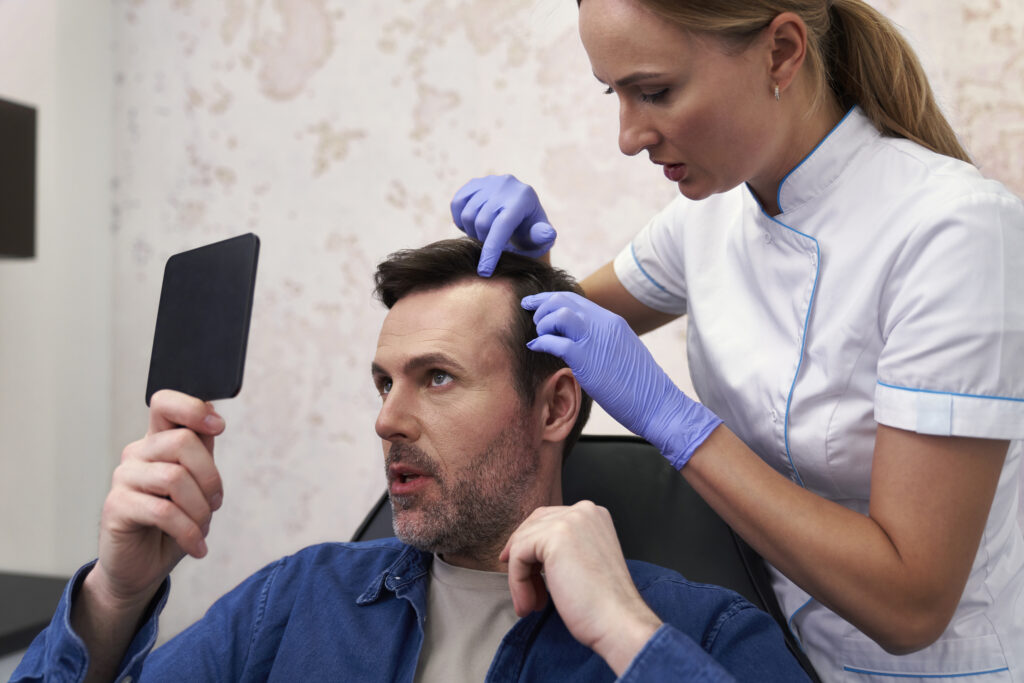
A female doctor points to a man's hairline as he holds a mirror, potentially discussing "does hair transplant hurt".

Separating Myth from Reality: Can Wearing Hats Cause Hair Loss?

A smiling young man in a red shirt adjusts his cap. Can wearing hats cause hair loss or damage your hairline?

Separating Myth from Reality: Can Wearing Hats Cause Hair Loss?


If you have noticed early signs of thinning and you wear a cap or hat regularly, it is natural to wonder whether your headwear is part of the problem. This is one of the most persistent questions in hair health, and the answer deserves a clear, evidence based explanation rather than another internet myth.

Does Wearing a Hat Really Cause Hair Loss?

The short answer is no. Current scientific evidence consistently shows that everyday hat wearing does not cause hair loss, since hair follicles are nourished through the bloodstream rather than the scalp surface, meaning a normally fitted hat poses no meaningful risk to follicle health. 

No research has directly linked wearing a hat with an increased risk of hair loss. Most cases of hair thinning are explained by entirely different factors such as genetics, hormones, or underlying medical conditions (not your headwear). 

So why does this myth persist? The answer has, actually, more to do with perception than biology.

Why Do People Think Hats Cause Baldness?

Seeing More Hair Inside the Hat

When you remove a hat after several hours, it is common to find loose strands clinging to the fabric. This creates the impression that the hat pulled hair out, when in reality, those strands were already in their natural shedding phase and simply got caught in the material.

Confusing Hair Shedding with Hair Loss

Losing 50 to 100 hairs per day is a completely normal part of the hair growth cycle. People who wear hats frequently are more likely to notice this normal shedding (because the hat collects it) and mistakenly attribute it to the hat itself, rather than recognizing it as routine turnover.

The Timing of Male Pattern Baldness

Many men begin wearing caps more often during their twenties and thirties, which happens to coincide with the typical age range when androgenetic alopecia first becomes noticeable. This overlap in timing creates a false sense of cause and effect, when the real driver is genetic predisposition that was already present.

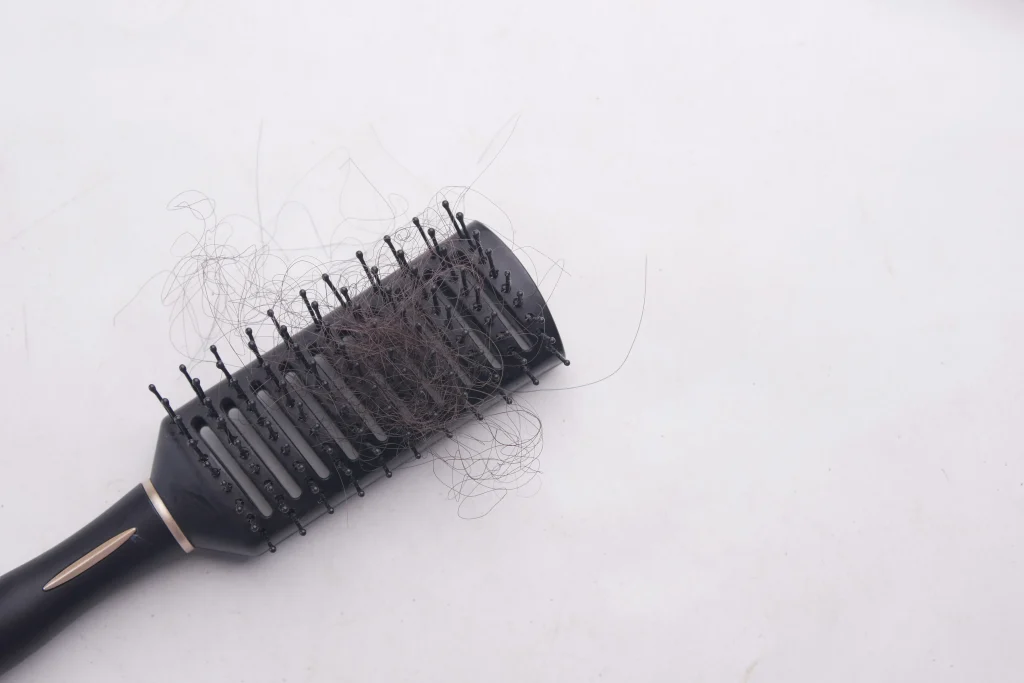
Black hairbrush filled with fallen strands of hair. Can wearing hats cause hair loss and severe thinning problems?

What Actually Causes Hair Loss?

Hormonal Changes

Conditions involving thyroid imbalances, postpartum hormonal shifts, and menopause can all trigger noticeable hair thinning, independent of any headwear habits.

Medical Conditions

Autoimmune conditions such as alopecia areata, along with certain medications and chronic illnesses, can also result in hair loss patterns that have nothing to do with hats.

Nutritional Deficiencies

Low levels of iron, zinc, biotin, or protein can compromise follicle health and contribute to thinning, particularly in women.

Genetics and Male Pattern Baldness

Androgenetic alopecia, the most common form of hair loss, is primarily driven by genetic sensitivity to DHT (a byproduct of testosterone). This sensitivity gradually shrinks affected follicles over time, regardless of whether a person wears hats.

Stress and Lifestyle Factors

Significant physical or emotional stress can push large numbers of follicles into a resting phase simultaneously, a condition known as telogen effluvium, which produces diffuse shedding weeks after the triggering event.

Concerned About Hair Loss?

Can Certain Hats Damage Your Hair?

While ordinary hat use does not cause baldness, this does not mean all headwear habits are entirely without risk.

Poor Scalp Hygiene

Hats absorb sweat, oil, and dead skin cells, and when they are not cleaned regularly, bacteria and fungus can build up inside the fabric, which may irritate the scalp and cause itching or dandruff when worn for long periods. This irritation does not cause permanent baldness, but it can worsen existing shedding.

Traction Alopecia from Tight Headwear

This is the one legitimate exception worth understanding clearly. Traction alopecia is caused by sustained tension on the hair follicle, typically from tight hairstyles or headwear, rather than from ordinary hat use. One study found that 34% of women who wore tight head coverings for 7 to 9 hours daily developed some degree of hair loss, compared to only 3% among those who wore them for under 3 hours.

Tight Hats and Hair Breakage

Hats that rub against the same spot can cause friction, especially for people with fine or fragile hair, leading to breakage rather than true hair loss from the follicle.

Man checking his receding hairline in a mirror. Can wearing hats cause hair loss or accelerate premature baldness?

It is important to be clear: this is not the cause of common male or female pattern baldness. Early traction alopecia is reversible if the pulling stops, though long-term tight headwear can eventually cause permanent damage if left unaddressed.

Immediately After Surgery

In the days immediately following a hair transplant, the recipient area is extremely sensitive, and newly placed grafts have not yet anchored securely. Wearing a hat during this window can dislodge grafts through friction or pressure, which is why specialists recommend avoiding headwear entirely during the initial healing phase. Depending on the used technique (DHI, FUE, FUT or ARTAS), you may need to protect certain areas of your scalp from touching it.

Close-up of a man wearing a mesh trucker cap. Can wearing hats cause hair loss or create traction alopecia issues?

When You Can Wear a Hat Again

Most specialists recommend waiting at least 10 to 14 days after the procedure before wearing any hat, and even then, only loose fitting styles that do not make contact with the treated area should be used. Tight caps, beanies, or anything that requires pulling over the scalp should be avoided for several weeks longer.

Recommendations from Hair Restoration Specialists

Specialists generally advise patients to choose hats with a wide, loose opening, avoid any direct pressure on the grafted area, and confirm timing with their surgeon before resuming normal headwear use, since healing speed varies from patient to patient.

Get Expert Advice About Your Hair Loss