
Understanding the Different Types of Alopecia
Hair loss affects millions of people worldwide and can happen for many reasons, but not all hair loss is the same. Knowing the types of alopecia is the first step toward finding the right solution for your unique situation. Many people wonder what is alopecia disease, especially when they first notice unusual shedding, thinning, or a sudden bald patch.
Alopecia simply means hair loss, but the underlying cause can vary greatly. It may be temporary or permanent, mild or severe, and it can affect the scalp hair, beard, or even eyebrows and eyelashes. Some types of alopecia are linked to genetics, while others are triggered by stress or are the result of an autoimmune condition. Understanding which type you have helps determine how to stop it, how to encourage hair regrowth, and how to protect your remaining hair.
Hair loss is more than just a cosmetic issue — it can impact your self-confidence and mental health. This is why it’s so important to get a clear diagnosis and work with professionals who can help you choose the right treatment for your specific types of alopecia.
Alopecia Areata: When the Immune System Attacks
One of the best-known types of alopecia is alopecia areata, which is an autoimmune condition. Here, the body’s immune system attacks healthy hair follicles by mistake. This sudden attack causes patchy hair loss, often appearing as small round bald spots on the scalp, beard, or other parts of the body.
In some people, alopecia areata can develop into more extensive forms like alopecia totalis (complete scalp hair loss) or alopecia universalis, where all body hair, including eyebrows and eyelashes, falls out. Many people want to know how to fix bald spots when this happens.
While there is no permanent cure for alopecia areata, there are promising treatments. Steroid injections can reduce inflammation, while newer therapies like PRP Treatment use your own platelets to stimulate the hair follicle and boost natural hair regrowth. Because alopecia areata is an autoimmune condition, managing stress and inflammation is also crucial for controlling flare-ups.
Androgenic Alopecia: Pattern Hair Loss
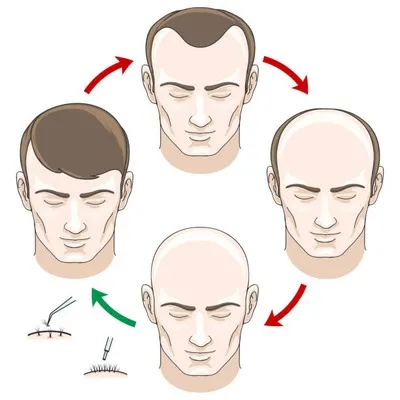
The most common type worldwide is androgenic alopecia, also known as female pattern hair loss or male pattern baldness. This form is hereditary and progressive, meaning it worsens over time if untreated. For men, it often starts with a receding hairline and a bald patch on the crown. For women, it usually causes diffuse thinning, where the hair thins all over the crown while the hairline stays intact.
The main alopecia cause here is a genetic sensitivity to DHT, a hormone that shrinks hair follicles and shortens the growth phase. If untreated, this can eventually stop hair from growing altogether in certain areas.
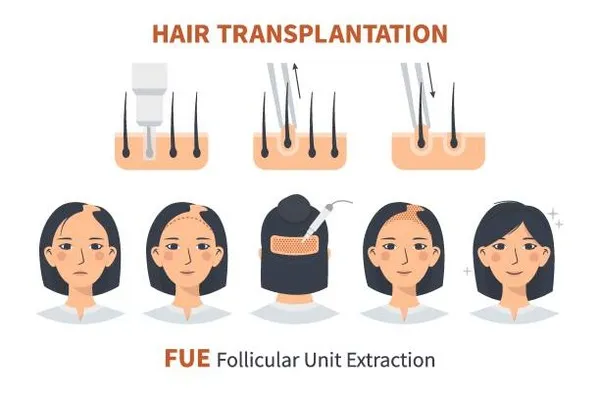
Treatments for androgenic alopecia range from topical medications like minoxidil to hair restoration techniques such as FUE Hair Transplant or FUT Hair Transplant. These methods move healthy follicles to areas where hair has stopped growing and can provide permanent improvement. Combining these with therapies like PRP Treatment helps strengthen existing hair and encourage new growth.
Frontal Fibrosing Alopecia: A Scarring Condition
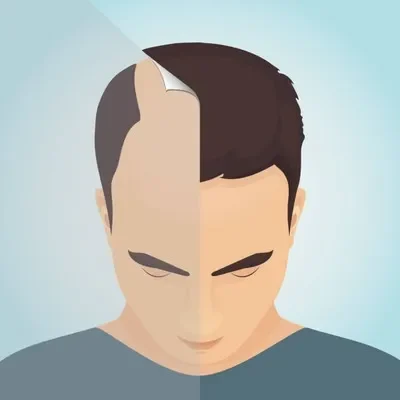
Another less common but serious form is frontal fibrosing alopecia. This is a type of scarring alopecia that mostly affects postmenopausal women, although men and younger women can get it too. It’s characterized by a gradual receding of the front hairline and sometimes the loss of eyebrows and eyelashes.
In frontal fibrosing alopecia, inflammation damages the hair follicle, which means hair cannot grow back once the follicle is destroyed. This scarring can also appear as redness, irritation, and visible scarring on the scalp.
Doctors aren’t sure exactly what causes frontal fibrosing alopecia, but an autoimmune condition or hormonal changes may play a role. Because this type leads to hair loss that’s permanent, early diagnosis is key. Treatments focus on controlling inflammation using medications and, in some cases, regenerative therapies like Stem Cell Therapy, which can help maintain healthy follicles and slow further loss.
Telogen Effluvium: Stress-Triggered Hair Loss
Telogen effluvium is one of the most common temporary types of alopecia. It occurs when more hair than normal enters the resting phase (telogen) of the hair cycle at the same time. This is usually triggered by physical or emotional stress, major surgery, childbirth, drastic weight loss, or certain illnesses.
Instead of a distinct bald patch, people with telogen effluvium notice diffuse thinning or large clumps of hair falling out during brushing or showering. The good news is that this condition is reversible in most cases. Once the underlying trigger is addressed, the hair cycle normalizes, and hair regrowth begins.
To speed up recovery, people often combine good nutrition, stress management, and medical support like PRP Treatment or Stem Cell Therapy. These treatments nourish the scalp, reactivate the hair follicle, and help new hair grow faster and stronger.
Other Types of Alopecia
There are many other types of alopecia worth knowing about. For example:
- Traction alopecia happens when constant tension from tight hairstyles damages the hair follicle.
- Lichen planopilaris is another form of scarring alopecia that leads to patchy permanent loss if untreated.
- Scalp hair loss can sometimes be linked to other conditions like hormonal imbalances or nutritional deficiencies.
- Traction alopecia happens when constant tension from tight hairstyles damages the hair follicle.
Knowing exactly which type you have is crucial, because some causes can be reversed if caught early. For example, changing hairstyles can stop traction alopecia from progressing. Getting proper blood tests can help identify vitamin or hormone issues that might be behind your types of hair loss.
Treatments and Modern Options
Today, you have more options than ever to treat different types of alopecia. Advanced methods like FUE Hair Transplant and FUT Hair Transplant are popular choices for hereditary forms like androgenic alopecia. They offer natural-looking, permanent results by moving healthy hair to thinning or bald areas.
Regenerative treatments like PRP Treatment and Stem Cell Therapy help strengthen weak follicles, reactivate growth, and support overall scalp health. These are often used alongside transplants for better outcomes.
Whichever treatment you choose, a personalized plan is essential because each type of alopecia responds differently. Combining medical solutions with good hair care, stress management, and a healthy lifestyle maximizes your chances of keeping your hair thicker and healthier for years to come.
Not Sure Which Type of Hair Loss You Have?
When you understand the different types of alopecia, you can take the right steps to protect your hair and your confidence. If you’re seeing patchy hair loss, noticing your hair thins, or have a stubborn bald patch, don’t ignore it.
Want expert help figuring out how to fix bald spots or restore your hair naturally? Cancún Hair Restoration can guide you through your options — from FUE Hair Transplant and FUT Hair Transplant to PRP Treatment and Stem Cell Therapy.
Take the first step toward understanding your types of alopecia and get a solution that works for you.