
Understanding Frontal Fibrosing Alopecia: What You Need to Know
Frontal Fibrosing Alopecia (FFA) is becoming one of the most talked-about forms of hair loss, especially among postmenopausal women. Although it was first described just a few decades ago, more people are now being diagnosed as awareness grows and more dermatologists recognize its unique signs.
Unlike general female pattern hair loss, which causes gradual thinning over the crown, Frontal Fibrosing Alopecia specifically affects the frontal hairline, causing a slow but noticeable balding from front. It is considered a form of fibrosing alopecia, meaning it causes scarring that permanently destroys hair follicles if left untreated.
For many women, seeing their hairline recede by an inch or more can feel devastating. Combined with a loss of eyebrow hair, the changes can dramatically alter someone’s facial appearance and self-esteem. The condition can progress quietly for years before it’s diagnosed, which is why understanding Frontal Fibrosing Alopecia is so important.
Who Gets Frontal Fibrosing Alopecia?
Most cases occur in postmenopausal or post menopausal women over 50, but younger women — and even men — can develop FFA too. Some researchers think hormonal changes related to menopause play a big role, while others suggest that an autoimmune disease component may trigger inflammation.
A growing body of research has even linked environmental factors to Frontal Fibrosing Alopecia, such as frequent use of facial sunscreens and certain skincare products near the alopecia on hairline area. While evidence is not conclusive, some studies suggest these care products might irritate sensitive skin and contribute to inflammation.
Although not life-threatening, the emotional impact is significant. Many patients report social anxiety, loss of confidence, and avoidance of activities like swimming or styling their hair back because they don’t want to reveal the receding line.
Causes and Risk Factors
Experts believe Frontal Fibrosing Alopecia is likely a variant of lichen planopilaris, a type of scarring alopecia linked to the body’s immune system attacking its own hair follicles. This autoimmune reaction leads to inflammation and scarring that destroys the follicle permanently.
Some think genetics may make certain people more likely to develop FFA, although no single gene has been found. Hormonal factors are suspected, which explains why it’s so common in postmenopausal women.
Possible environmental factors — including hair dyes, facial creams, and sunscreens — are being studied as triggers. Researchers have even published detailed frontal fibrosing alopecia a review papers in journals like the J Acad Dermatol to better understand these links.
There’s no single cause, but most experts agree that early diagnosis is key to slowing this type of hair loss.
Symptoms and Early Signs
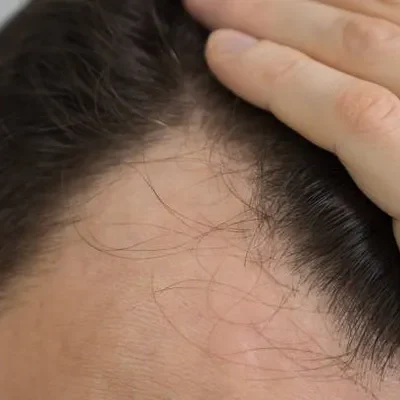
The main sign of Frontal Fibrosing Alopecia is a gradual, symmetrical recession of the hairline. Many patients notice their forehead looks larger or that their bangs don’t sit the same way anymore.
In addition to frontal hair loss female, eyebrow loss is a classic sign. Some women lose their eyebrows entirely or see thinning at the outer edges. Small, pale patches or redness along the hairline are also common in the early stages.
Some people feel mild burning, itching, or see tiny bumps near the hairline — all signs that inflammation is damaging the follicles. If you see signs of balding from front combined with eyebrow thinning, it’s crucial to act fast to stop more permanent hair loss.
Left untreated, the condition can spread around the front and sides, sometimes reaching the sideburns or temples. Once the follicles are scarred, regrowth becomes very unlikely.
How Is Frontal Fibrosing Alopecia Diagnosed?
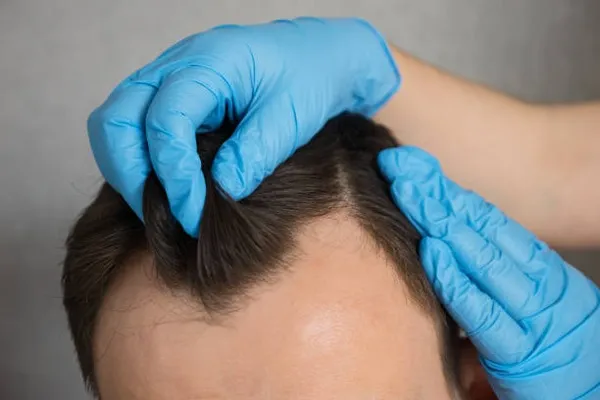
Getting an accurate diagnosis of Frontal Fibrosing Alopecia is vital for managing it effectively. Dermatologists start by examining the hairline and eyebrows for signs of recession and inflammation.
They may use dermoscopy, which magnifies the scalp to look for details invisible to the naked eye — such as signs of fibrosing alopecia or damaged follicles.
A biopsy is often recommended. This small sample shows the inflammation pattern typical of Frontal Fibrosing Alopecia, confirming that it is a scarring condition and not just typical female pattern hair loss.
Sometimes, blood tests help rule out other autoimmune conditions or check for hormonal imbalances, especially in postmenopausal women.
Treatment Options: How to Manage FFA
Treating Frontal Fibrosing Alopecia can be challenging, but the goal is to halt progression and preserve existing hair. Once follicles are scarred, regrowth is very limited — but catching it in the early stages means you may still regrow some hair.
The first line of defense usually involves topical corticosteroids to calm inflammation. Oral immunosuppressive medications, like hydroxychloroquine, can also help reduce the immune response. Some patients respond well to antiandrogens, which can help balance hormone effects on the scalp.
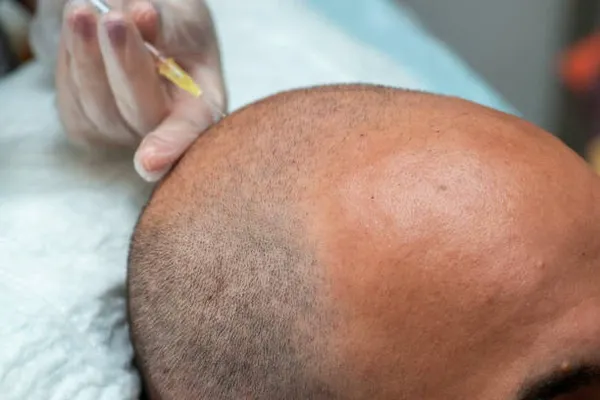
Increasingly, people turn to regenerative options to support their treatment plan. PRP Treatment uses your own platelets to stimulate healing, reduce inflammation, and reactivate partially damaged hair follicles. Stem Cell Therapy is another advanced option to boost scalp health and encourage density.
For many, the loss of eyebrow hair is especially distressing. An Eyebrow Hair Transplant can help restore a natural look by relocating healthy hairs to sparse areas. Alternatively, Micropigmentation offers a non-surgical way to recreate the look of full brows or define a receded hairline.
It’s important to weigh all options with an experienced doctor because treatments like immunosuppressive drugs can have side effects. Routine check-ups and blood tests help ensure safety and track progress.
Practical Tips for Living with FFA
Managing Frontal Fibrosing Alopecia goes beyond medications. Many dermatologists recommend using mild shampoos and gentle care products to avoid irritating the sensitive hairline area. Avoid tight hairstyles that pull on the front and sides of the scalp, which can stress vulnerable follicles.
Consider reading up on patient stories or expert reviews — searching for frontal fibrosing alopecia a review can connect you with medical journals and real-life experiences.
Support groups, online communities, and professional counseling can help deal with the emotional side of losing hair. Many women feel less alone once they talk with others going through the same struggles.
Stay Hopeful: Take Action Early
While there is no absolute cure for Frontal Fibrosing Alopecia, acting quickly can stop progression, preserve the hair you still have, and help you maintain confidence. Combining medical treatments, lifestyle changes, and cosmetic solutions gives many people the best outcome.
If you suspect Frontal Fibrosing Alopecia — whether it’s subtle frontal balding women, loss of eyebrows, or redness along the hairline — don’t wait to speak with an expert.
Cancún Hair Restoration offers customized plans for Frontal Fibrosing Alopecia, including PRP Treatment, Stem Cell Therapy, Eyebrow Hair Transplant, and Micropigmentation.
Our team can help you manage your condition, plan realistic goals, and restore your hairline and brows naturally.