
Hair Transplant Facts and Myths: What You Need to Know

Hair Transplant Facts and Myths: What You Need to Know

Permanent Results

One of the most important hair transplant facts is that the results are permanent. The hair follicles taken from the donor area, typically at the back of the head, continue to grow naturally. Once the transplanted hair starts growing, it remains for the long term, providing a long-lasting solution for hair loss.

Hair transplant procedures have significantly advanced over the years. Techniques such as Follicular Unit Extraction (FUE) allow for the extraction of individual hair follicles with minimal scarring, making it a more preferred method. This method also results in quicker recovery times compared to older methods.

One of the most significant hair transplant facts is that when done correctly, the procedure offers natural-looking results. The transplanted hair is carefully placed to mimic the natural growth pattern, ensuring the results blend seamlessly with your existing hair.

A key fact about hair transplant surgery is the quick recovery time. Most patients can return to their regular activities within a few days after the procedure. The recovery is minimal, and with proper care, the chances of complications are low.

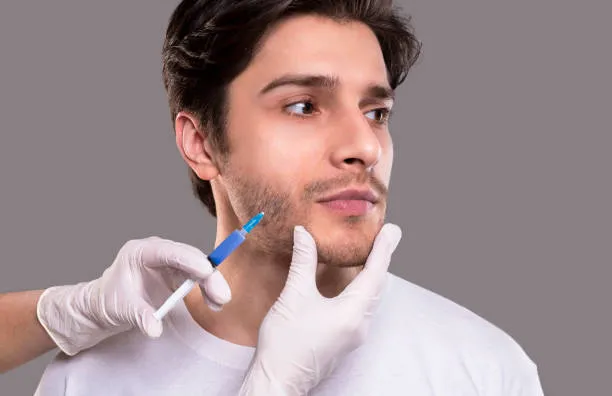
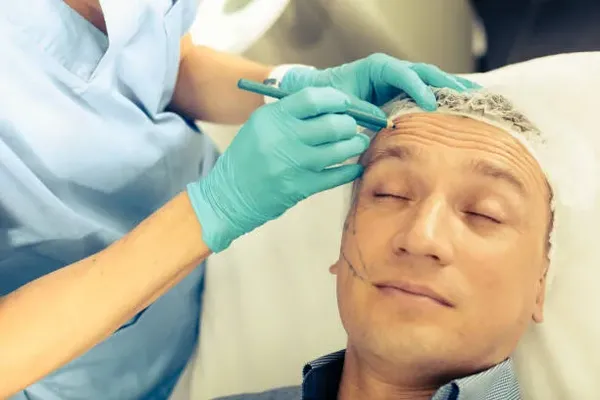
Doctor preparing a patient's scalp to debunk common hair transplant myths and present key facts
Hair Transplants Are Only for Severe Hair Loss

A common myth is that only people with severe hair loss are suitable candidates for a hair transplant. However, individuals experiencing early-stage hair loss can also benefit from a hair transplant. The procedure can help restore hair density and prevent further thinning.

Another prevalent myth is that hair transplants are only for men. While it’s true that men often experience more noticeable hair loss, women can also benefit from hair restoration. Women with thinning hair or localized hair loss can achieve excellent results with a hair transplant.

Many people assume that hair transplant surgery is extremely painful, but with modern techniques and anesthesia, the procedure is relatively painless. Most patients experience only mild discomfort during and after the procedure, and the recovery time is short.

One of the most widespread myths is that hair transplant results look unnatural. However, when performed by a hair transplant surgeon, the procedure can offer remarkably natural-looking results. The use of FUE ensures that each follicle is transplanted precisely, resulting in a seamless blend with your existing hair.

Conclusión

Understanding the hair transplant facts and myths is essential for anyone considering the procedure. If you are thinking about getting a hair transplant, consult with a hair transplant specialist to get detailed and accurate information. Don’t let myths stop you from regaining your confidence and improving your appearance. For more information, check out the following links:

Doctor marking the scalp, illustrating essential hair transplant facts and myths for successful transplant results

Best Hair Transplant Technology: Revolutionizing Hair Restoration

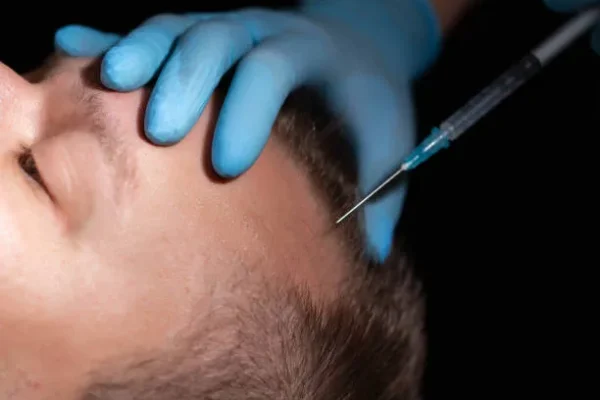
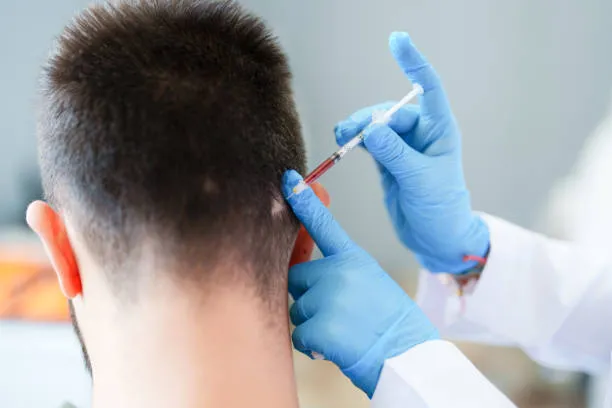
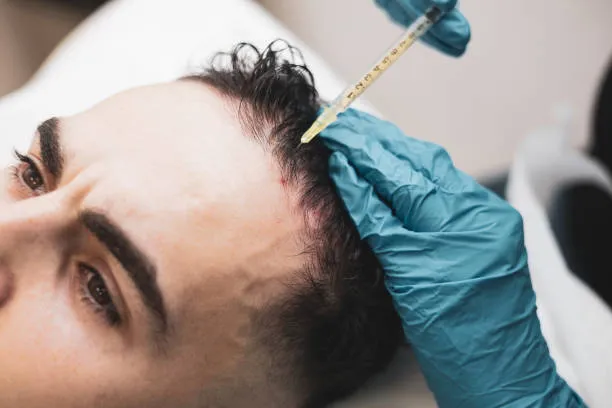
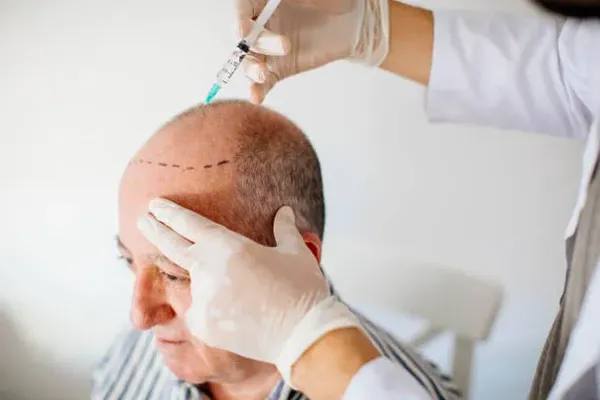
Doctor injecting a man's scalp as part of best hair transplant technology for natural and lasting hair restoration

Best Hair Transplant Technology: Revolutionizing Hair Restoration

Understanding Hair Transplant Methods

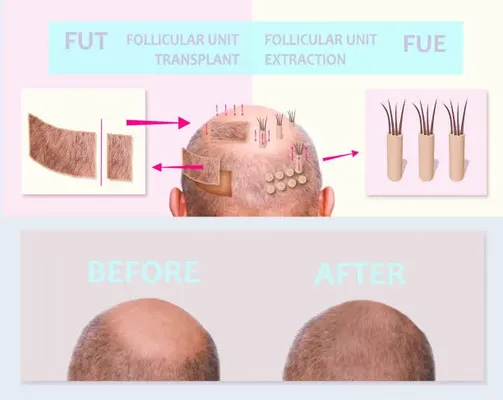
There are various hair transplant methods available today, with the most advanced being follicular unit extraction (FUE) and follicular unit transplantation (FUT). These procedures utilize the best hair transplant technology to extract and implant individual hair follicles, ensuring the most natural results possible. The choice between these methods depends on several factors, including the extent of hair loss, donor area quality, and desired hair density.

FUE vs. FUT: Which is Better?

FUE hair transplant is a minimally invasive method where individual hair follicles are extracted from the donor area and implanted into the recipient area. This method is known for its precision and minimal scarring. On the other hand, FUT hair transplant involves removing a strip of skin from the donor area, which may lead to linear scarring. Although FUE is often the preferred method due to its advanced best hair transplant technology, FUT can still be beneficial for individuals requiring a larger number of grafts.

Doctor injecting a man's scalp as part of best hair transplant technology for natural and lasting hair restoration

How Best Hair Transplant Technology Works

The best hair transplant technology focuses on precision, safety, and patient comfort. With techniques like robotic hair transplant and FUE, the surgeon can extract and implant hair follicles with greater accuracy. For example, robotic hair transplant systems like ARTAS have revolutionized the field by offering a faster and more accurate method of harvesting individual hair follicles. These systems reduce human error, leading to quicker recovery times and minimal scarring.

Hair Transplant Surgeon: A Key Factor in Success

The skill of the hair transplant surgeon plays a crucial role in the success of any procedure. A well-experienced hair transplant specialist understands the nuances of each transplant method and can determine the best approach based on individual needs. By using the best hair transplant technology, surgeons can ensure that the hair transplant procedure yields optimal natural-looking results with minimal downtime.

Donor Area and Recipient Area: Vital Considerations

The donor area refers to the section of the scalp where hair follicles are harvested. The quality of hair in the donor area plays a significant role in the overall success of the transplant. Similarly, the recipient area is where the follicles are transplanted. A skilled surgeon will strategically place the follicles to ensure that the transplanted hair grows in a natural direction, enhancing the hair density and blending seamlessly with existing hair.

Visible Scars and Linear Scarring

One of the main concerns with traditional hair transplant methods is the potential for visible scars. FUE, however, has a distinct advantage in this regard, as it minimizes the risk of visible scars compared to FUT, which can cause linear scarring. Thanks to best hair transplant technology, patients can now undergo hair restoration with a reduced risk of scarring, offering a more aesthetically pleasing outcome.

The Future of Hair Transplant Technology

As technology continues to evolve, the best hair transplant technology will undoubtedly improve, offering even better results with less invasive procedures. Transplanted hair will continue to look more natural, and the recovery process will become even faster. For those seeking a permanent solution to hair loss, investing in advanced hair transplant technology is a step toward reclaiming a confident and youthful appearance.

Explore more about the best hair transplant technology and robotic hair transplant on Cancun Hair Restoration. You can also learn about hair transplant procedures and natural looking results on our hair restoration page.

Post Op Care for a FUE Hair Transplant

Specialist injecting a man's scalp as part of post op care for FUE hair transplant to ensure optimal hair growth results

Post Op Care for a FUE Hair Transplant

Post Op Care for a FUE Hair Transplant: First Days

During the first days post op, the transplanted area is very sensitive. It is crucial to follow medical instructions to avoid complications and promote proper healing.

  • Gentle cleaning: Wash your head gently with a clean towel and use only the recommended products.
  • Use a spray bottle: A saline spray helps keep the implant area hydrated and supports the healing process.
  • Avoid touching or scratching: The implanted hairs are in a delicate phase and should not be disturbed.
  • Sleep with your head elevated: This reduces swelling and prevents direct contact with the pillow.
  • Avoid alcohol and smoking: These substances can impair blood circulation and delay healing.
  • Protect from the sun: Avoid direct sun exposure, as the recipient area is sensitive and may be damaged.
Specialist injecting a man's scalp as part of post op care for FUE hair transplant to ensure optimal hair growth results

Post Op Care for a FUE Hair Transplant: Weeks After Surgery

As the weeks post op progress, the scalp begins to heal, and hair growth continues naturally.

Detailed post-op care process for FUE hair transplant highlighting scalp and follicle preparation
  • Avoid wearing a hat: Using a hat too soon can affect circulation in the recipient area and compromise the grafts.
  • Temporary hair loss: Shedding in the implant area is normal and part of the healing process.
  • Shower care: Avoid hot water and do not let high-pressure water directly hit the transplanted area.
  • Recommended products: Use mild, sulfate-free shampoos to support hair growth.
  • Gentle massages: Consult your specialist about performing light massages in the recipient area to improve blood circulation.
  • Hydration and nutrition: Maintain a balanced diet rich in vitamins and minerals to strengthen hair follicles.

Post Op Care for a FUE Hair Transplant: Months After Surgery

By the third month, the new follicles start producing visible hair. To maximize results:

  • Follow a healthy diet to strengthen hair follicles.
  • Avoid harsh chemical treatments such as dyes or perms.
  • Consult your specialist for progress evaluation and personalized recommendations.
  • Be patient: Final results may take 6 to 12 months to become fully visible.
  • Adopt a proper hair care routine: Some cases may require topical treatments or supplements to enhance hair density and health.
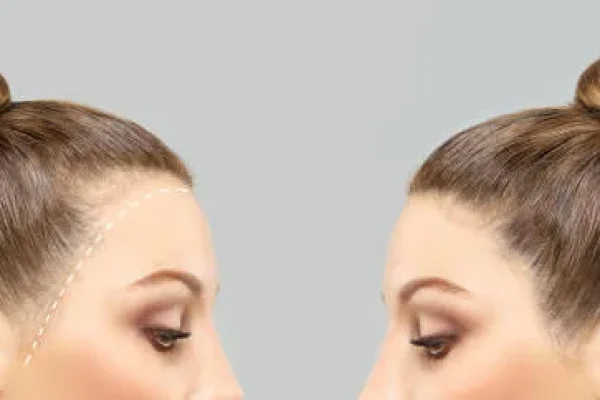
Side-by-side before and after results of post op care for FUE hair transplant in a woman, highlighting successful outcomes

Hair Growth Phases After a FUE Transplant

Hair regrowth after a FUE hair transplant occurs in phases. Understanding these stages helps set realistic expectations:

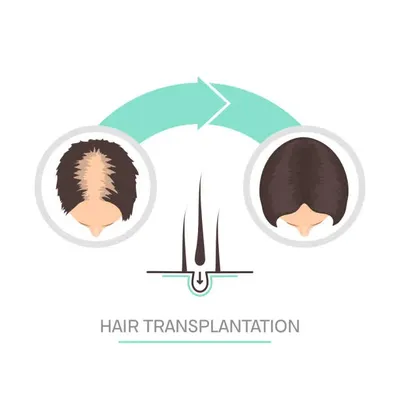
Illustration depicting a woman before and after a hair graft procedure, demonstrating the transformative effects of hair restoration.
First 1-2 Weeks: 🔄

Some shedding of transplanted hair is normal as follicles enter a resting phase.

Hair may appear thinner due to temporary shedding, a normal part of the process.

New hair starts emerging, initially fine and thin.

Hair thickens and gains density, revealing noticeable improvements.

Final results become visible with fully grown, healthy hair.

Patience is key, as full results take time, and each patient’s growth rate may vary.

A FUE hair transplant is an excellent option for those seeking effective hair restoration. By following these post-op care instructions, you can ensure a smooth recovery and achieve natural, long-lasting results. Post op care for a FUE hair transplant is crucial for the success of the procedure, and sticking to these guidelines will help you get the best outcome.

For more information on different types of hair transplants, visit:

FUE vs FUT Hair Transplant: Which is Right for You?

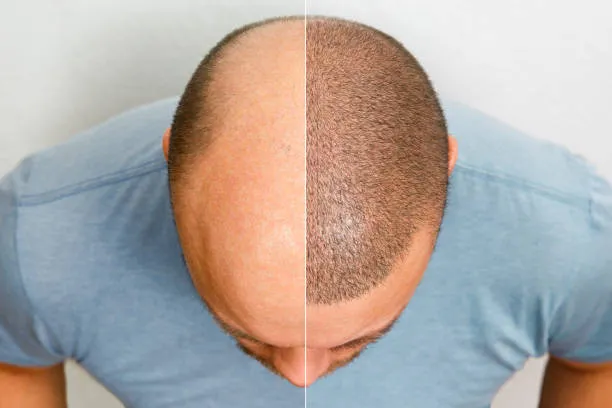
Before and after image showing a dramatic change in a man’s head, highlighting how is hair transplant permanent and offering a solution for hair restoration.

FUE vs FUT Hair Transplant – Which Is Right for You?

When considering a FUE vs FUT hair transplant, it’s essential to understand the differences between these two popular hair transplant methods. Both options effectively address hair loss, but they differ in technique, scarring, recovery, and cost. Choosing the right procedure depends on your individual needs and expectations.

Surgical Techniques in FUE vs FUT

1.  FUE Procedure:
The follicular unit extraction (FUE) method involves extracting individual hair follicles from the donor site using a micro-punch tool. These follicles are then transplanted directly to the recipient area. This technique results in minimal scarring, making it a preferred choice for individuals who wish to wear their hair short.

2. FUT Procedure:
In follicular unit transplantation (FUT), a strip of scalp tissue is removed from the donor area, and individual follicular units are extracted from it. Although this method allows for transplanting a larger number of grafts in one session, it often leaves a linear scar, which can be noticeable with shorter hairstyles.

Before and after image showing a dramatic change in a man’s head, highlighting how is hair transplant permanent and offering a solution for hair restoration.

Key Differences Scarring and Recovery

    • Scarring:
      • FUE results in tiny, scattered scars that are less visible.
      • FUT leaves a linear scar in the donor area, which can be hidden under longer hair.
    • Recovery Process:
      • FUE offers a faster recovery time with less discomfort, making it ideal for those with busy schedules.
      • FUT requires a longer recovery period due to the incision needed to remove the donor strip.

Cost Considerations

The cost of a hair transplant depends on factors like the technique, the number of grafts, and the surgeon’s expertise.

    • FUE is often more expensive due to its precision and time-intensive process.
    • FUT is typically more affordable, especially for patients requiring a large number of grafts.
A doctor closely inspecting a man’s head, ensuring that is hair transplant permanent for providing a permanent solution to hair loss.
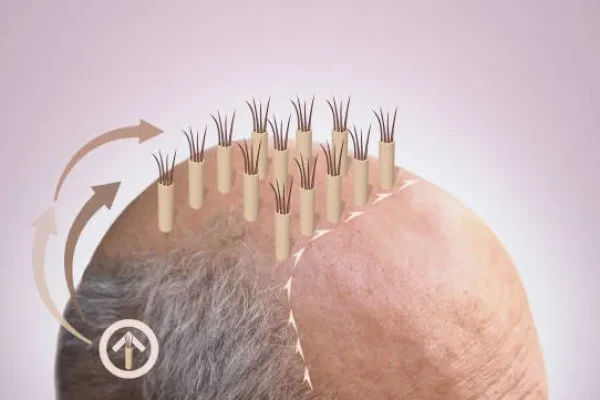
Illustration of hair grafts being inserted into a man’s scalp, confirming that is hair transplant permanent and results in a long-lasting hair restoration.

Choosing Between FUE and FUT

When deciding between FUE vs FUT, consider these factors:

    • Desired hairstyle: FUE is ideal for those who prefer short hair due to its minimal scarring.
    • Budget: FUT may be more cost-effective for extensive thinning hair.
    • Graft requirements: FUT can harvest more grafts in one session, while FUE may require multiple sessions for larger areas.

Discover your options for a hair transplant today by visiting Cancun Hair Restoration. Learn more about the results of FUE vs FUT techniques on our results page.

FAQs Is Hair Transplant Permanent​

What is the best hair transplant technique?

The choice between FUE (Follicular Unit Extraction) and FUT (Follicular Unit Transplantation) depends on the patient’s needs and preferences. FUE is less invasive, while FUT may be better for those needing a larger number of grafts.

Is Hair Transplant Permanent? A Comprehensive Guide

Illustration showing hair grafts being implanted into a man's scalp, addressing whether is hair transplant permanent for permanent hair restoration.

Is Hair Transplant Permanent? A Comprehensive Guide

Hair loss can significantly impact a person’s confidence, leading many to explore solutions like hair transplantation. But the question remains: is hair transplant permanent? This article delves into the longevity of hair transplants, types of procedures, and what you can expect from the results.

Illustration showing hair grafts being implanted into a man's scalp, addressing whether is hair transplant permanent for permanent hair restoration.

Understanding the Permanence of Hair Transplants

The primary advantage of a hair transplant is its potential to deliver long-lasting results. After the hair transplantation procedure, transplanted follicles integrate with the recipient area. These follicles, usually sourced from the donor area, are genetically resistant to hair loss, ensuring durability. While the procedure is considered permanent, factors like aging and lifestyle can slightly affect the density and growth rate over time.

Key Points to Remember:

    • Transplanted hair mimics the growth of healthy hair.
    • Post-healing, these transplants are permanent, though maintenance may be needed.

Types of Hair Transplant Procedures

There are two modern techniques for hair transplants, each offering unique benefits:

1. Follicular Unit Transplantation (FUT)

    • Involves transferring a strip of skin with hair from the donor area to the thinning region.
    • Best for covering large bald spots.

2. Follicular Unit Extraction (FUE)

    • Individual follicles are harvested and transplanted using micro-punctures.
    • Preferred for minimal scarring and natural appearance.

Both methods are performed by experienced hair transplant surgeons and yield enduring results, making them effective for those wondering is hair transplant permanent

The Healing Process and Hair Growth

After the procedure, the scalp requires time to heal. It’s normal for some hair to shed during the first few months. However, within 6 to 12 months, the transplanted follicles begin to grow hair, blending seamlessly with your existing hair.

Healing Tips:

    • Avoid vigorous activities post-surgery.
    • Follow your doctor’s advice for optimal recovery.

The outcome of a successful hair transplant depends on proper post-operative care and the skill of the surgeon.

Longevity and Maintenance

Although the transplanted hair is genetically resistant, natural aging or health conditions can influence its density over time. Factors to consider:

    • The lifespan of donor hair varies between individuals.
    • Subsequent thinning may necessitate touch-ups or additional procedures.
Before and after image showing a man's head transformation, highlighting that is hair transplant permanent for long-term hair restoration results.
Illustration of a doctor evaluating a man’s head, discussing the permanence of the procedure and answering is hair transplant permanent for long-term effects.

Choosing the Right Specialist

Selecting a qualified hair transplant surgeon is critical to achieving lasting and natural-looking results. Look for specialists experienced in both FUT and FUE techniques. For personalized consultation, explore Cancun Hair Restoration, known for advanced hair transplantation procedures and non-surgical treatments.

Conclusion

So, is hair transplant permanent? The procedure offers a lasting solution to hair loss, provided it is performed by an experienced professional and followed by proper aftercare. While natural factors may affect the outcome, transplanted hair remains robust and resistant to loss over time.

To learn more or book a consultation, visit the Cancun Hair Restoration website or contact them here.

FAQs Is Hair Transplant Permanent​

How many years does a hair transplant last?

A hair transplant typically lasts a lifetime if properly cared for, with the transplanted hair being permanent.

Most patients still have visible results 10 years after the transplant, though maintenance may be required for non-transplanted areas.

It’s possible to lose hair in areas not treated with the transplant, but the transplanted hair should remain permanent.

Disadvantages include the risk of complications, the cost, and the need for proper aftercare to ensure successful results.

How Much Is a Hair Transplant?

Illustration of the hair transplant process on a man's head, highlighting the technique used and relating to the cost of how much is a hair transplant.

How Much Is a Hair Transplant?

If you are considering a hair graft to restore your hairline, one of the most important questions you may have is: how much is a hair transplant? The cost of a hair transplant varies depending on several factors, including the method used, the number of grafts needed, and the experience of the certified surgeon performing the procedure. Let’s dive deeper into the different types of hair transplant procedures and what they entail.

Illustration of the hair transplant process on a man's head, highlighting the technique used and relating to the cost of how much is a hair transplant.

Types of Hair Transplants

There are two main types of hair transplant procedures:

    • Follicular Unit Transplantation (FUT): This involves removing a strip of healthy hair from the donor area and transplanting it into the areas experiencing hair loss. It is often less expensive than Follicular Unit Extraction (FUE), but it does leave a linear scar.
    • Follicular Unit Extraction (FUE): This method involves extracting individual hair follicles from the donor area and transplanting them into the balding areas. FUE is often more expensive because it is a more intricate process that doesn’t leave visible scarring.

Hair Grafts and Hair Follicles

The cost of a hair transplant also depends on how many hair grafts are needed to achieve the desired results. Typically, hair grafts range from 800 to 1,500 for a full hairline restoration, but this number may vary based on individual factors such as the extent of hair loss and the area to be treated. Each hair follicle used in a hair transplant contributes to creating a natural look.

Cost of Hair Transplants

The price of a hair transplant can vary significantly. On average, the cost of hair transplant surgery ranges from $4,637 to $12,513. The wide range in pricing depends on the method used, the location of the clinic, and the surgeon’s experience. In general, FUE hair transplantations tend to cost more than FUT due to the more intricate procedure involved. It’s important to remember that the cost of a hair transplant will also include anesthesia fees, follow-up appointments, and medications needed during the recovery period.

Other Considerations When Looking at the Cost

When you ask, how much is a hair transplant, it’s essential to take into account other factors, such as:

    • Surgeon’s experience: A highly experienced certified surgeon may charge more for their expertise and the quality of their results.
    • Geographical location: Clinics in major cities or areas with a high cost of living often charge higher fees for hair transplant procedures.
    • Post-surgery care: Aftercare is an essential part of the process, and some clinics offer post-procedure medications and support at an additional cost.
Illustration of the hair transplant process, from extraction to implantation, while exploring the question how much is a hair transplant.

Success Rates of Hair Transplants

Illustration comparing the results before and after a hair transplant, emphasizing how how much is a hair transplant impacts hair restoration.

Understanding the success rates of hair transplants is also important when considering the cost of a hair transplant. Generally, FUE procedures have a higher success rate due to the precision and care with which individual hair grafts are transplanted. With proper care, most people experience significant regrowth of healthy hair within 6 to 12 months after the procedure.

If you’re asking yourself how much is a hair transplant, keep in mind that investing in hair grafts can yield long-term benefits in terms of boosting self-confidence and improving your appearance. Choosing a certified surgeon and selecting the right hair transplant procedures for your needs are crucial steps to ensure the best outcome.

For more information about hair transplant procedures, explore our detailed results here, discover incredible transformations for facial hair restoration here, or visit our main site at Cancun Hair Restoration.

FAQs How much is a hair transplant

How long do hair transplants last?

Hair transplants can last a lifetime, especially when maintained properly, as the transplanted hair comes from areas resistant to hair loss.

The cost of 3,000 hair grafts can vary greatly depending on the clinic, location, and expertise, but it typically ranges from $3,000 to $10,000.

Hair transplants are worth it for many people, as they provide a permanent solution to hair loss and can boost confidence.

Hair Graft: The Ultimate Solution to Hair Loss

Hair Graft: The Ultimate Solution to Hair Loss

For many individuals struggling with hair loss, a hair graft offers a permanent and natural solution. This procedure, which involves the transfer of individual hair follicles from a donor site to areas of thinning or balding hair, has become increasingly popular due to its effectiveness and long-lasting results. If you’re considering a hair graft to restore your hairline, it’s important to understand the different techniques available and what to expect during the procedure.

Illustration of a woman during the hair graft process, highlighting the precision and care involved in hair restoration techniques.

What Is a Hair Graft?

A hair graft consists of small sections of transplanted grafts that contain hair follicles. These follicles are taken from a donor area—typically from the back or sides of the scalp—and carefully placed in the recipient area. Whether you choose Follicular Unit Extraction (FUE) or Follicular Unit Transplantation (FUT), both techniques offer a chance to restore hair growth in areas where hair follicles have become dormant due to hair loss.

The FUE method involves harvesting individual hair follicles from the donor site, one by one, and transplanting them into the recipient area. This method leaves minimal scarring and is ideal for those looking for a less invasive procedure. Alternatively, the FUT method removes a strip of skin from the donor area, which is then divided into small units for transplantation. While the FUT technique may leave a small linear scar, it can be more efficient when large numbers of transplanted grafts are required.

How Does the Hair Graft Procedure Work?

The hair graft procedure typically begins with a consultation where a skilled surgeon will evaluate your hair loss pattern and the quality of your donor site. This assessment helps determine the best course of action, whether you’re better suited for FUE or FUT.

Once the procedure begins, the surgeon will carefully extract individual hair follicles or a strip of skin from the donor site. The transplanted grafts are then prepared under a microscope, ensuring each unit is viable for transplantation. Following that, the surgeon carefully places the grafts in the recipient area, paying close attention to the direction and angle of the transplanted hair to ensure a natural look.

Post-Procedure Recovery and Results

After the hair graft procedure, patients can expect some minor swelling and redness around both the donor site and recipient area. This is a normal part of the healing process and typically subsides within a few days. Over the next few weeks, the transplanted hair will fall out, which is completely normal and expected. This phenomenon, known as shedding, occurs as the hair follicles enter a resting phase.

New hair growth will begin within a few months as the hair grafts begin to take root. While individual results may vary, most patients begin to see noticeable improvements in their hairline between 6 to 12 months following the procedure.

Benefits of a Hair Graft

A hair graft offers numerous benefits for those looking to restore their hairline:

    • Permanent Solution: Since the transplanted hair comes from areas resistant to hair loss, the results are permanent, giving you a lasting solution to thinning or bald spots.
    • Natural Look: Both FUE and FUT procedures offer natural-looking results when done by an experienced surgeon. The transplanted hair integrates seamlessly with your existing hairs, providing a full, natural appearance.
    • Improved Confidence: Many patients experience a significant boost in self-esteem after seeing their restored hairline, which can enhance both personal and professional confidence.
Illustration showing a woman and a man before and after the hair graft process, emphasizing the remarkable impact of hair graft procedures.

Potential Side Effects

Like any surgical procedure, a hair graft comes with some potential risks and side effects. These may include temporary swelling, redness, and itching in both the donor area and recipient area. In rare cases, complications such as infection or scarring may occur, but these are usually minor and can be managed effectively. Following your surgeon’s post-surgery care instructions is essential for optimal healing.

Is a Hair Graft Right for You?

If you’re dealing with hair loss and are looking for a permanent solution, a hair graft may be the right choice for you. Both FUE and FUT provide lasting, natural results that can restore your hairline and self-confidence. To determine if you’re a good candidate for the procedure, consider scheduling a consultation with an experienced surgeon.

For more detailed information on hair graft procedures and to explore the options available, you can visit our page on ARTAS Hair Transplant. If you’re looking for a professional clinic with expertise in hair restoration, learn more about our team and services at About Us. Additionally, if you’re interested in eyebrow restoration, be sure to check out our Eyebrow Hair Transplant page.

Illustration depicting a woman before and after a hair graft procedure, demonstrating the transformative effects of hair restoration.

FAQs Hair Graft

Is hair transplant safe?

Yes, hair transplants are safe when performed by a certified professional under proper conditions.

A hair transplant involves extracting follicles from donor areas and transplanting them to recipient areas on the scalp.

Yes, hair implants help hair grow in areas where it has been lost, providing natural results.

Hair transplants should be performed at accredited, reputable clinics that adhere to quality and safety standards.

Benefits of Hair Transplant: A Permanent and Natural Solution

Benefits of Hair Transplant: A Permanent and Natural Solution

Hair loss is a common concern that affects many individuals. Whether due to genetics, aging, or stress, many people look for effective ways to restore their hairline and improve their appearance. The benefits of hair transplant procedures have become highly popular because they offer long-term, natural results that other treatments simply cannot provide. Below, we explore the main benefits of hair transplant surgery and why it may be the ideal solution for many.

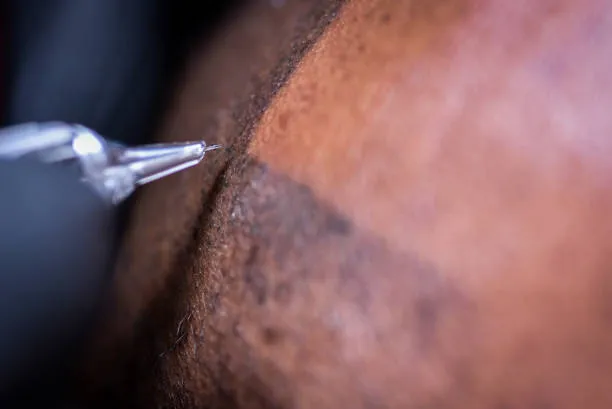
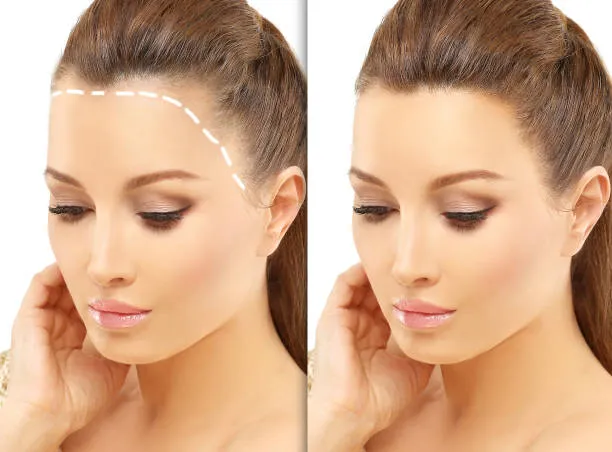
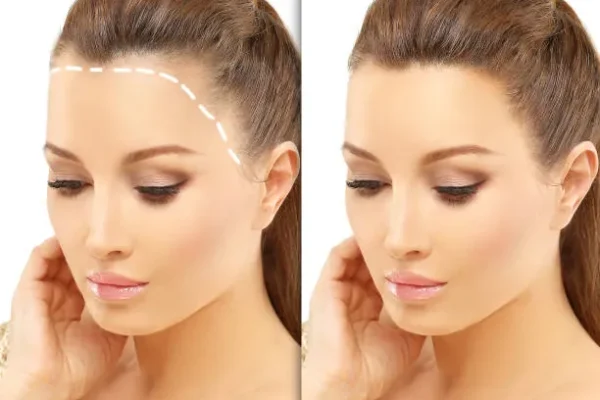
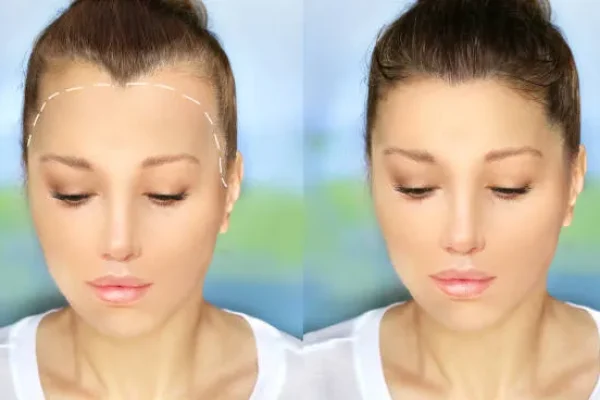
Drawing illustrating the redesigned hairline using the FUE method, showcasing the benefits of hair transplant for achieving natural results.

What is a Hair Transplant?

A hair transplant involves moving hair follicles from one part of the body, typically the back of the head, to areas suffering from thinning or hair loss. The procedure can be performed using two main methods:

    1. FUE (Follicular Unit Extraction): This method involves extracting individual hair follicles and transplanting them to the affected areas. It is known for leaving minimal scarring and offering very natural results.
    2. FUT (Follicular Unit Transplantation): In this approach, a strip of skin with healthy hair follicles is removed and divided into smaller grafts. This technique can leave a linear scar, but it is ideal for people with extensive hair loss as it allows for a larger number of grafts to be transplanted in a single session.

The Benefits of Hair Transplant

1. Permanent Hair Restoration
One of the biggest benefits of hair transplant is its permanent nature. Unlike medications or topical treatments, the results of a hair transplant last for a lifetime. Once the transplanted hair starts growing, it will continue to grow naturally, just like your existing hair.

2. Natural Results
The beauty of hair transplantation is that it provides highly natural-looking results. Because the grafts come from your own hair, they match the texture, color, and growth pattern of your existing hair. This ensures that the hair restoration process looks seamless and natural.

3. Minimal Scarring
One of the common concerns people have is the potential for scarring. While the FUT technique can leave a linear scar on the scalp, FUE hair transplants leave minimal scarring. For most patients, the scarring is so small that it is virtually unnoticeable.

4. Increased Confidence and Self-Esteem
Hair transplants can significantly improve a person’s self-esteem. 

With a fuller, more youthful appearance, individuals feel more confident in both personal and professional settings. Hair restoration is more than just an aesthetic improvement—it can have a positive impact on your overall confidence.

5. Higher Graft Survival
The success of a hair transplant largely depends on the graft survival rate. Both FUE and FUT methods ensure that the transplanted hair grows naturally and lasts for a long time. The number of grafts transplanted and the skill of the surgeon play a crucial role in how successful the procedure is.

6. Minimal Downtime
Compared to other surgical procedures, the hair transplant procedure has a relatively short recovery period. Most patients can return to their daily activities within 7-10 days. The post-surgery discomfort is minimal, and any swelling or redness typically disappears within a few days.

Drawing of a man’s head explaining the FUE method, perfect for understanding the benefits of hair transplant in this procedure.

Is a Hair Transplant Right for You?

Although hair transplants offer incredible benefits, not everyone is a candidate. Individuals with sufficient healthy hair follicles in the donor area tend to have the best outcomes. It’s important to consult with a skilled surgeon to determine the best approach based on the extent of hair loss and individual goals.

For more details on hair restoration, visit our hair restoration page, or if you’re considering a facial hair transplant, you can explore our facial hair transplant services.

Detailed illustration of extracted hairs for transplant, highlighting the benefits of hair transplant in aesthetic procedures.

FAQs Benefits of Hair Transplant

Is hair transplant beneficial?

Yes, a hair transplant can restore lost hair permanently and naturally. It can also improve confidence and self-esteem.

A hair transplant can last a lifetime if properly cared for, as the transplanted hair comes from areas resistant to hair loss.

Typically, results remain visible, but additional treatments may be needed if hair loss continues in untreated areas.

3,000 hair grafts are a substantial amount, typically enough to cover large areas of baldness on the scalp.

Injerto Capilar La Solución Efectiva Para La Caída Del Cabello

Injerto Capilar: La Solución Efectiva Para La Caída Del Cabello

La caída del cabello afecta a millones de personas en todo el mundo y afecta la confianza y la autoestima. Afortunadamente, los injertos capilares se han convertido en una solución fiable para restaurar el cabello de forma natural y permanente. Ya sea que tenga cabello fino o calvicie severa, los procedimientos de injerto capilar en México, especialmente en Cancún, ofrecen una alternativa rentable y de alta calidad.

Técnica de injerto capilar que muestra a un cirujano experto seleccionando unidades foliculares con pinzas de precisión.

¿Qué es un procedimiento de injerto capilar?

Un injerto capilar implica trasplantar folículos pilosos sanos de un área del cuero cabelludo (generalmente la parte posterior o los costados) a las áreas calvas o adelgazadas. Este procedimiento garantiza resultados de apariencia natural y efectos duraderos, lo que lo convierte en una opción ideal para personas que buscan recuperar una cabellera llena.

Beneficios de los injertos capilares

    1. Resultados naturales: Los injertos capilares utilizan su propio cabello, mezclándose perfectamente con la línea del cabello existente.
    2. Solución permanente: La diferencia de las soluciones temporales, este procedimiento ofrece resultados duraderos.
    3. Opciones rentables: Los procedimientos de injerto capilar en México, incluido Cancún, son significativamente más asequibles que en Estados Unidos o Europa sin comprometer la calidad.

¿Cuánto cuesta un injerto capilar?

Una de las principales preocupaciones de las personas que están considerando un trasplante de cabello es el costo del injerto capilar. En Cancún, los precios varían según la cantidad de injertos requeridos y la experiencia de la clínica.

    • Precio promedio de injerto capilar en México: $1.50 a $2.50 por injerto
    • Los procedimientos a menudo incluyen consulta, cuidados posteriores y medicación.

¿Por qué Cancún?: Clínicas de renombre como Cancún Hair Restoration combinan precios asequibles con atención de alta calidad. Especialistas como el Dr. Carlos Alejos y la Dra. Sylwia Nartowicz tienen amplia experiencia en brindar resultados naturales y duraderos.

Implante Capilar Mexicano: Una Tendencia Creciente

Cancún se ha convertido en un centro para el turismo médico, ofreciendo instalaciones de clase mundial y profesionales certificados. Pacientes de EE. UU., Canadá y Europa eligen los implantes capilares mexicanos por su asequibilidad y calidad.

Razones clave para considerar Cancún para tu injerto capilar:

    • Profesionales experimentados
    • Tecnología de última generación
    • Paquetes económicos que incluyen alojamiento y transporte.

Descubra más sobre la experiencia de los médicos de Cancún Hair Restoration.

Vista en primer plano de las manos de un cirujano extrayendo delicadamente los folículos pilosos mediante un punzón circula.

Factores que influyen en los precios de los injertos capilares

El precio total del injerto capilar depende de:

    • Número de injertos: Cuanto mayor sea el área, mayor será el coste.
    • Técnica utilizada: Los métodos avanzados como FUE (extracción de unidades foliculares) pueden costar más, pero ofrecen una recuperación más rápida y cicatrices mínimas.
    • Reputación de la clínica: Nombres confiables como Cancun Hair Restoration garantizan resultados de calidad y precios transparentes.

¿Por qué elegir Cancún Hair Restoration?

En Cancún Hair Restoration, el equipo se dedica a ofrecer procedimientos excepcionales de injerto capilar. Centrándose en la comodidad y los resultados del paciente, ofrecen planes de tratamiento personalizados adaptados a sus necesidades.

Obtenga más información sobre sus servicios y su equipo de expertos visitando su página de contacto.

Paciente con injerto de cabello con cuidados postrasplante que muestra el cuero cabelludo cubierto y vendajes para proteger los folículos recién trasplantado.

Dé el primer paso hacia la restauración del cabello

Recupera tu confianza con un procedimiento de injerto capilar en Cancún. Precios asequibles, profesionales capacitados y un enfoque personalizado lo convierten en el destino perfecto para su viaje de restauración capilar.

Comuníquese con Cancun Hair Restoration hoy para una consulta gratuita y dé el primer paso hacia una cabellera llena.

Lo Que Debes Saber Sobre El Injerto De Cabello

¿Cuánto cuesta un injerto capilar? Precios y opciones disponibles

¿Cuánto cuesta un injerto capilar? Precios y opciones disponibles

La caída del cabello es una preocupación común y, para muchos, un procedimiento de injerto capilar ofrece una solución prometedora. ¿Pero cuánto cuesta un injerto capilar? En este blog, exploraremos los factores clave que determinan los precios, discutiremos opciones asequibles en Cancún y brindaremos información sobre cómo el equipo de Cancun Hair Restoration puede ayudarlo a recuperar la confianza con trasplantes de cabello de alta calidad.

¿Qué es un injerto capilar?

Un injerto capilar es un pequeño trozo de tejido del cuero cabelludo que contiene folículos pilosos y se trasplanta a zonas con adelgazamiento o sin cabello. Las técnicas de restauración del cabello, como la FUE (extracción de unidades foliculares), utilizan injertos de cabello para crear resultados de apariencia natural.

Un hombre consulta a un médico sobre las opciones de tratamiento para la caída del cabell para una restauración capilar eficaz.

Factores que afectan los costos del injerto capilar

El coste de un injerto capilar varía debido a varios factores:

    • Número de injertos necesarios: más injertos generan costos más altos.
    • Tipo de procedimiento: FUE tiende a ser más caro que FUT.
    • Ubicación: Ciudades como Cancún ofrecen precios competitivos en comparación con Estados Unidos o Canadá.
    • Experiencia del cirujano: los cirujanos experimentados pueden cobrar más pero ofrecer resultados superiores.

En Cancún Hair Restoration, nuestros expertos se enfocan en brindar atención asequible y de alta calidad adaptada a sus necesidades.

Precio del Injerto Capilar en Cancún

Cancún es un destino muy solicitado para trasplantes de cabello asequibles. El costo promedio del injerto capilar en Cancún oscila entre $1 y $3 por injerto. Por ejemplo:

    • Un pequeño procedimiento que requiere 1000 injertos puede costar entre 1000 y 3000 dólares.
    • Los casos más grandes que necesitan 4000 injertos pueden sumar entre $4000 y $12000.

Estos precios son significativamente más bajos que en los EE. UU., donde los precios del trasplante de cabello pueden exceder los $15,000 para procedimientos similares.

¿Por qué elegir Cancún Hair Restoration?

En Cancún Hair Restoration, nuestro capacitado equipo de médicos incluye al Dr. Carlos Alejos y la Dra. Sylwia Nartowicz, conocidos por su experiencia y atención personalizada. He aquí por qué nos destacamos:

    • Técnicas avanzadas como FUE y FUT para resultados naturales.
    • Atención integral en un centro de clase mundial.
    • Precios transparentes sin costes ocultos.

Obtenga más información sobre nuestras opciones de restauración capilar aquí.

Un estilista retira cuidadosamente una prótesis capilar de la cabeza de un cliente para evaluar la salud del cuero cabelludo.
Una vista de primer plano de un hombre con una línea de cabello en retroceso que expone su frente para evaluar el costo del injerto capilar.

Beneficios de los Trasplantes Capilares en Cancún

Elegir Cancún para tu trasplante capilar ofrece ventajas únicas:

    1. Precios asequibles: Ahorre hasta un 70% en comparación con los costos de EE. UU.
    2. Cirujanos experimentados: Especialistas en procedimientos de injerto capilar.
    3. Hermoso destino: Recupérate en uno de los principales puntos turísticos del mundo.

Explore las calificaciones de nuestro equipo aquí.

Cómo planificar su procedimiento

Para comenzar su viaje hacia la recuperación de la confianza:

    1. Programe una consulta con nuestro equipo.
    2. Determine la cantidad de injertos que necesita.
    3. Revise nuestras opciones de precios y financiación.

Contáctenos aquí para comenzar.

El costo de un injerto capilar depende del tipo de procedimiento, la ubicación y la experiencia del cirujano. Con precios asequibles y atención experta, Cancún Hair Restoration ofrece una combinación perfecta de calidad y valor. ¿Listo para dar el primer paso hacia una confianza renovada?

Contáctenos hoy para obtener más información sobre sus opciones.

Preguntas Frecuentes

1. ¿Cuántos injertos capilares necesitaré?

La cantidad de injertos necesarios depende del tamaño del área que necesita restauración y de sus objetivos de densidad capilar. Durante una consulta, nuestros especialistas evaluarán sus necesidades y le brindarán un presupuesto personalizado.

Los injertos capilares en Cancún normalmente cuestan entre $1 y $3 por injerto, lo que los convierte en una opción más asequible en comparación con los procedimientos en los EE. UU. o Canadá.

Los procedimientos de injerto capilar son mínimamente invasivos y se realizan bajo anestesia local. La mayoría de los pacientes informan sólo una leve molestia durante la recuperación, que desaparece en unos pocos días.

Los resultados visibles comienzan a aparecer después de 3 a 6 meses, y los resultados completos se logran dentro de 12 a 18 meses, a medida que el cabello trasplantado crece de forma natural.