Is Hair Transplant Permanent? A Comprehensive Guide
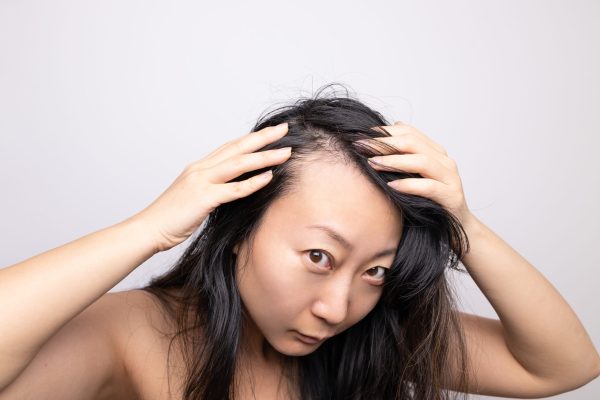
Hair loss can significantly impact a person’s confidence, leading many to explore solutions like hair transplantation. But the question remains: is hair transplant permanent? This article delves into the longevity of hair transplants, types of procedures, and what you can expect from the results.
Understanding the Permanence of Hair Transplants
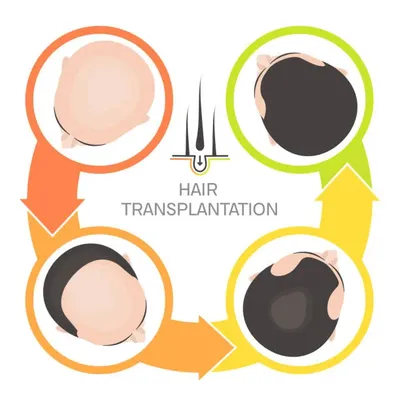
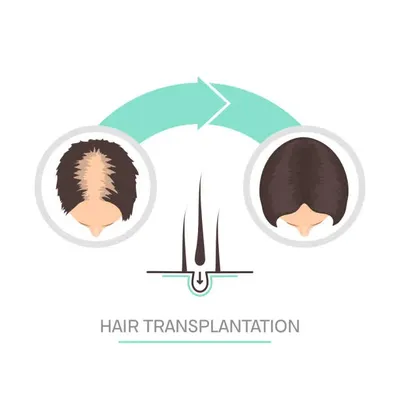
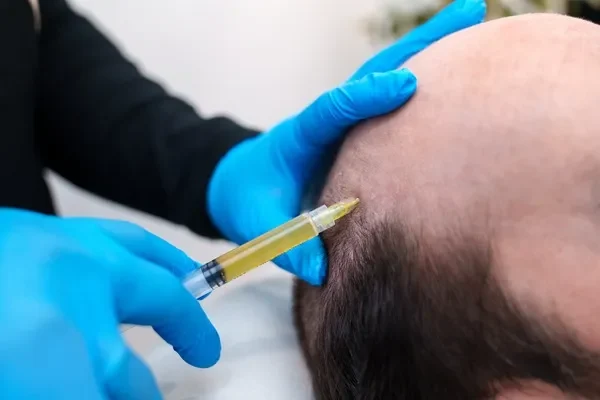
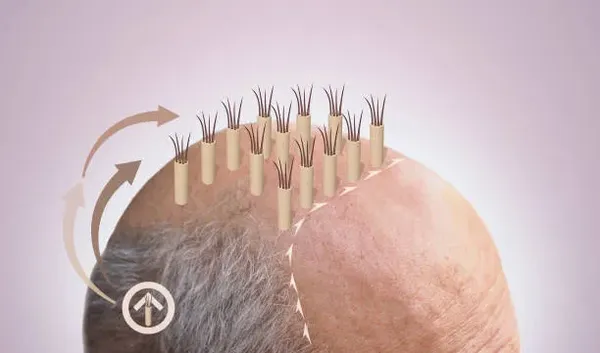
The primary advantage of a hair transplant is its potential to deliver long-lasting results. After the hair transplantation procedure, transplanted follicles integrate with the recipient area. These follicles, usually sourced from the donor area, are genetically resistant to hair loss, ensuring durability. While the procedure is considered permanent, factors like aging and lifestyle can slightly affect the density and growth rate over time.
Key Points to Remember:
- Transplanted hair mimics the growth of healthy hair.
- Post-healing, these transplants are permanent, though maintenance may be needed.
Types of Hair Transplant Procedures
There are two modern techniques for hair transplants, each offering unique benefits:
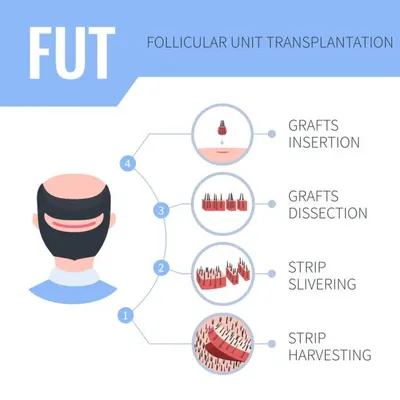
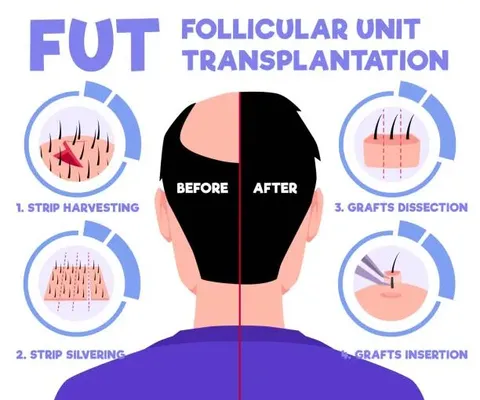
1. Follicular Unit Transplantation (FUT)
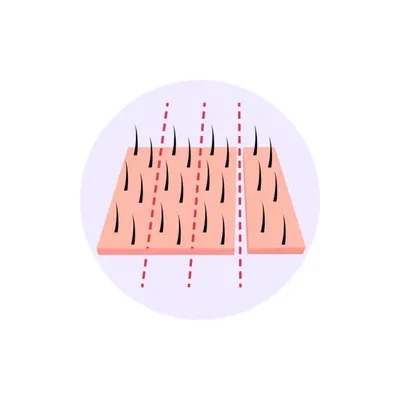
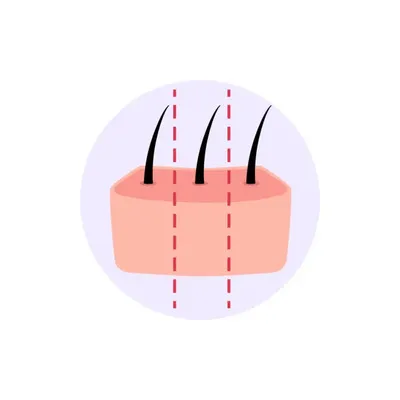
- Involves transferring a strip of skin with hair from the donor area to the thinning region.
- Best for covering large bald spots.
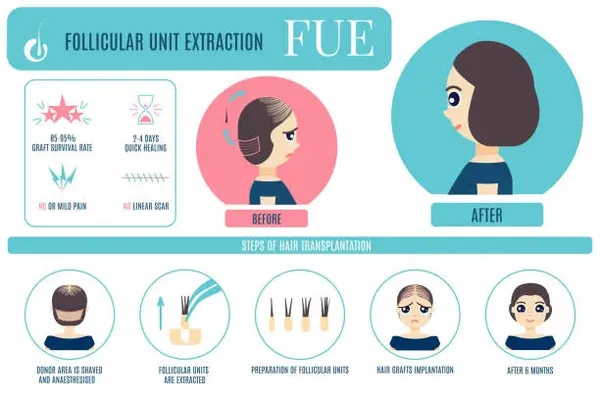
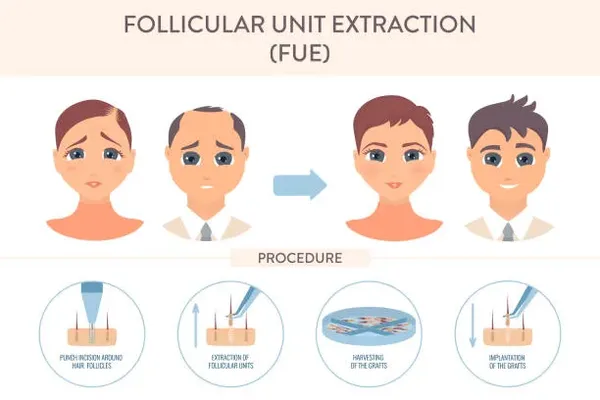
2. Follicular Unit Extraction (FUE)
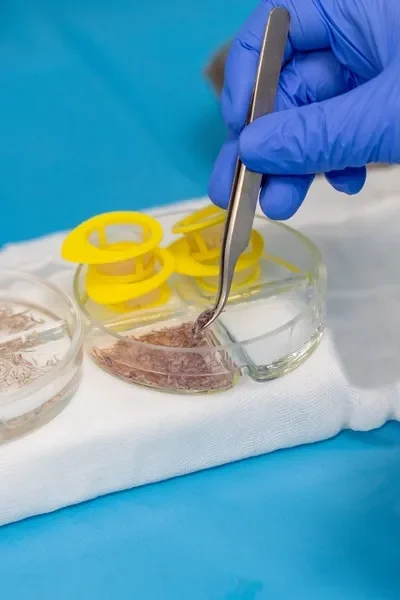
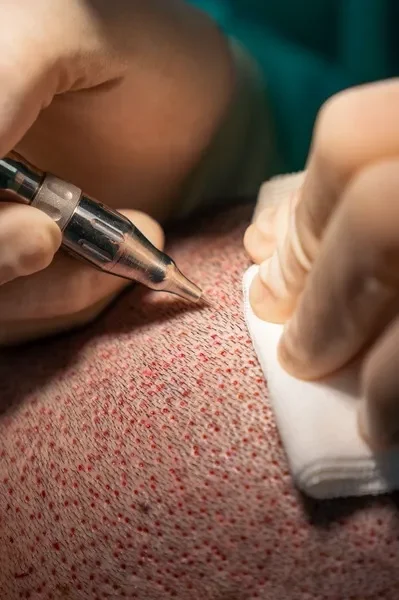
- Individual follicles are harvested and transplanted using micro-punctures.
- Preferred for minimal scarring and natural appearance.
Both methods are performed by experienced hair transplant surgeons and yield enduring results, making them effective for those wondering is hair transplant permanent
The Healing Process and Hair Growth
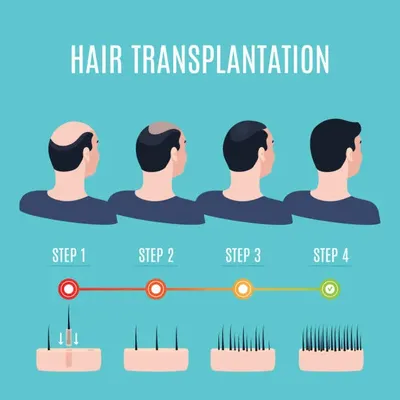
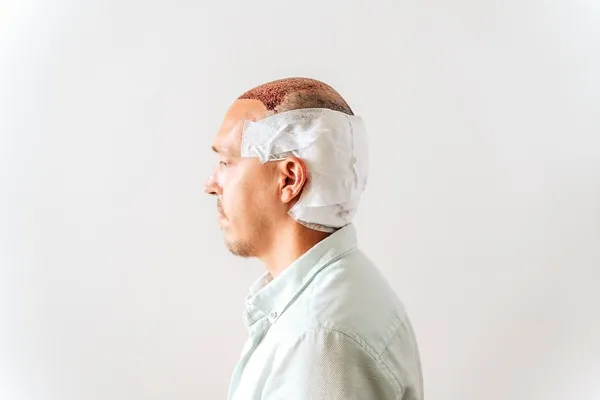
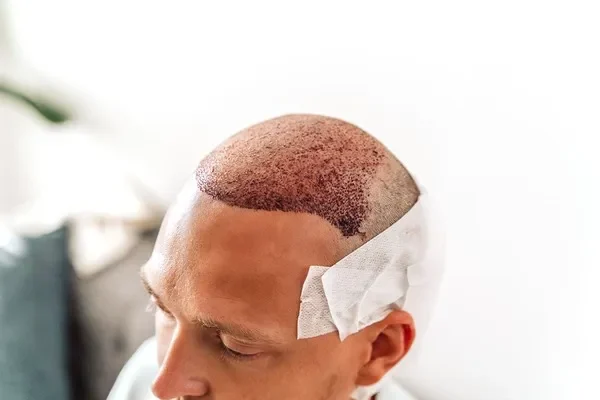
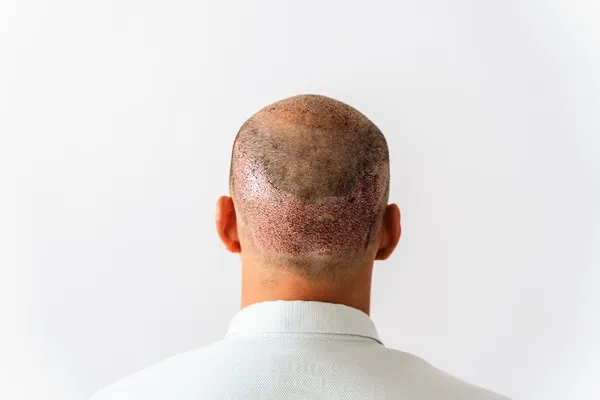
After the procedure, the scalp requires time to heal. It’s normal for some hair to shed during the first few months. However, within 6 to 12 months, the transplanted follicles begin to grow hair, blending seamlessly with your existing hair.
Healing Tips:
- Avoid vigorous activities post-surgery.
- Follow your doctor’s advice for optimal recovery.
The outcome of a successful hair transplant depends on proper post-operative care and the skill of the surgeon.
Longevity and Maintenance
Although the transplanted hair is genetically resistant, natural aging or health conditions can influence its density over time. Factors to consider:
- The lifespan of donor hair varies between individuals.
- Subsequent thinning may necessitate touch-ups or additional procedures.
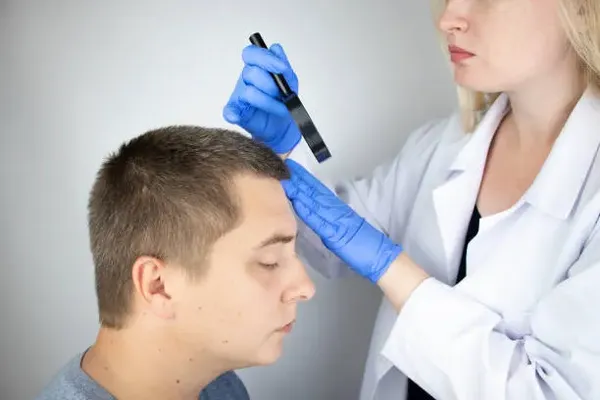
Choosing the Right Specialist
Selecting a qualified hair transplant surgeon is critical to achieving lasting and natural-looking results. Look for specialists experienced in both FUT and FUE techniques. For personalized consultation, explore Cancun Hair Restoration, known for advanced hair transplantation procedures and non-surgical treatments.
Conclusion
So, is hair transplant permanent? The procedure offers a lasting solution to hair loss, provided it is performed by an experienced professional and followed by proper aftercare. While natural factors may affect the outcome, transplanted hair remains robust and resistant to loss over time.
To learn more or book a consultation, visit the Cancun Hair Restoration website or contact them here.
FAQs Is Hair Transplant Permanent
How many years does a hair transplant last?
A hair transplant typically lasts a lifetime if properly cared for, with the transplanted hair being permanent.
What happens 10 years after a hair transplant?
Most patients still have visible results 10 years after the transplant, though maintenance may be required for non-transplanted areas.
Can you lose hair after transplant?
It’s possible to lose hair in areas not treated with the transplant, but the transplanted hair should remain permanent.
What are the disadvantages of hair transplant?
Disadvantages include the risk of complications, the cost, and the need for proper aftercare to ensure successful results.