
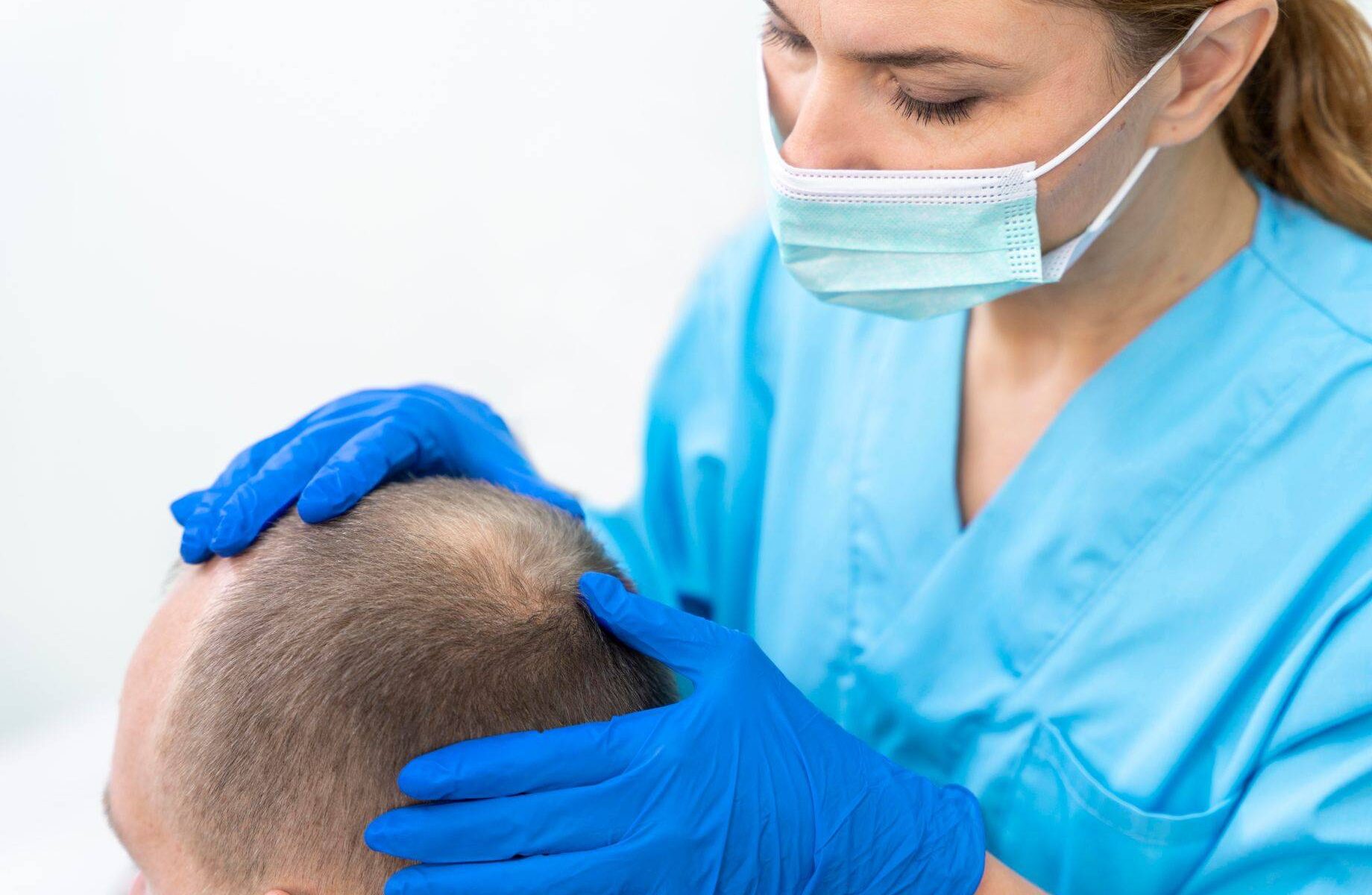
If you’re considering a hair transplant for the crown of your head, you may wonder whether it will be successful for your specific type of hair loss. Baldness on the crown of your head, often accompanied by a receding hairline, can be a significant concern, especially as it affects the highest point of your head. However, it is a problem that can be corrected with a hair transplant at Cancun Hair Restoration.
This type of baldness is the most common in men, often linked to male pattern baldness, but it can also affect women due to hormonal changes. Thinning hair on the top of your head can eventually lead to complete baldness. So, is a hair transplant for the crown viable for you?
Before you decide, it’s essential to understand the causes of hair loss in the crown area, the procedure itself, and the factors that determine its success.
Causes of Hair Loss at the Crown of your head
In 95% of men, baldness on the crown of the head is caused by androgenetic alopecia (also known as male pattern baldness), which is largely genetic. In women, hair loss in this area can be triggered by a combination of hormonal disorders and genetics, although hair thinning in women tends to be more diffuse.
Here are some common conditions that contribute to hair loss in the crown area:
- Alopecia areata: An autoimmune condition that causes patchy hair loss.
- Anagen hair loss: Disruption of the active growth phase of the hair cycle.
- Scarring alopecia: Permanent hair loss due to inflammation or scarring.
- Disorders of hair growth: Conditions that impact hair production and regeneration.
- Inflammatory scalp conditions: Such as psoriasis or seborrheic dermatitis.
- Telogen hair loss: When hair prematurely enters the resting phase, causing shedding.
- Traction alopecia: Hair loss due to prolonged tension on the hair (e.g., tight hairstyles).
- Trichotillomania: A compulsive disorder causing people to pull out their hair.
Depending on the cause and extent of your hair loss, different treatments may be recommended. It’s crucial to consult with an expert to determine whether a hair transplant for the crown of your head is the right solution for you.
Is a Crown Hair Transplant Right for You?
Opting for a hair transplant for the crown of your head is a decision that should be made carefully. Factors like the degree of hair loss, your overall health, and your expectations must be considered.
When discussing this procedure with a doctor, they will assess various factors, such as:
- The extent of hair loss on the crown.
- Whether the hair loss might self-regulate or worsen over time.
- Your receding hairline and whether it will affect the crown of your head.
- The ability to recreate natural hair patterns in the crown area.
A thorough consultation with a qualified expert is key to determining the success of your procedure. The crown of your head has specific characteristics that require attention during a transplant, such as hair direction, pattern, and density.
Hair Transplant Procedures for the Crown of the Head
The Crown Hair Transplant procedure involves moving hair follicles from areas where hair is dense (usually the back of the scalp) to areas with thinning hair or baldness. Here’s a breakdown of the most common methods:
- FUE Hair Transplant (Follicular Unit Extraction): This technique involves harvesting individual hair follicles from the donor area without the need for large incisions. FUE is a popular choice for crown transplants due to its minimal scarring and precise results. Each follicle is implanted at a specific angle to mimic natural hair growth patterns on the crown of your head.
- FUT Hair Transplant (Follicular Unit Transplantation): FUT involves removing a strip of skin from the back of the scalp to extract a large number of hair follicles. This method is ideal for those with extensive hair loss on the crown because it provides a higher volume of grafts.
- ARTAS Robotic Hair Transplant: This advanced technology uses a robotic arm to extract the best hair follicles and determine the optimal placement for them on the crown of your head. It’s a cutting-edge solution that maximizes precision and results.
- DHI Hair Transplant (Direct Hair Implantation): DHI requires a special tool to directly implant hair follicles into the thinning areas of the crown. It’s a fast and meticulous process that ensures follicles are placed at the perfect depth and angle for optimal growth.
Recovery Process After a Crown Hair Transplant RECOVERY
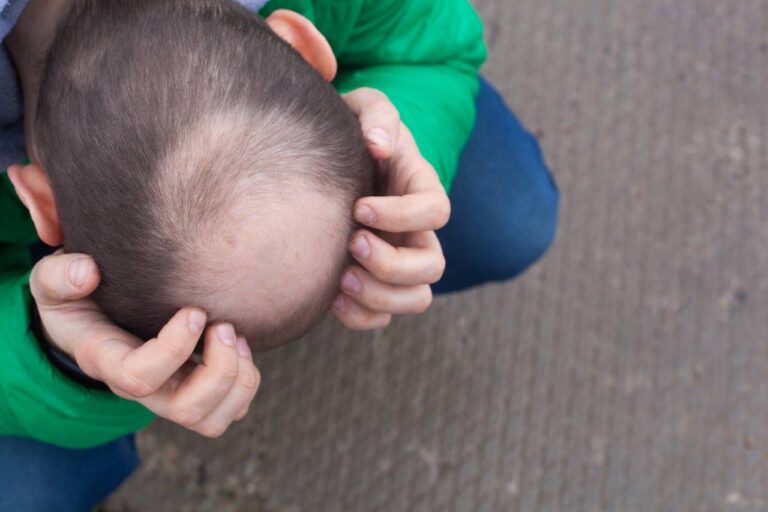
The recovery process is generally the same to that of other of hair transplant in other parts, not just the crown of the head. That is, the patient usually recovers in just 24 hours from the process, being able to resume most of his daily activities the day after the procedure, but it is recommended to avoid strenuous activities for a week.
While some people often return to work the next day, many people choose to take a few days off. This will depend on each case, as there will be some small crusts on the transplanted area for up to 2 weeks, which will eventually fall off.
Factors Affecting the Success of a Crown Hair Transplant
A successful hair transplant for the crown of your head depends on several key factors. During your initial consultation, your surgeon will evaluate the following:
- Extent of Hair Loss: If your hair loss is extensive, more grafts may be needed to cover the crown area, making the procedure more complex. However, if the baldness is moderate, the transplant is more likely to succeed.
- Availability of Donor Hair: Successful transplants depend on having a sufficient number of healthy hair follicles in the donor area. If your donor area lacks density, your surgeon might suggest alternative treatments or warn that the results could be less than optimal.
- Progression of Hair Loss: It’s important to consider how your androgenetic alopecia might progress over time. If your hair loss is still advancing, your surgeon might recommend delaying the procedure until it stabilizes.
- Age: Younger patients are generally advised to wait until their hair loss pattern becomes more predictable. Performing a transplant too early can result in unnatural-looking hairlines as the patient ages.
- Health Conditions: Certain medical conditions or medications can affect the viability of a crown transplant. A thorough medical evaluation is essential before proceeding.
Consulting an Expert for a Crown Hair Transplant
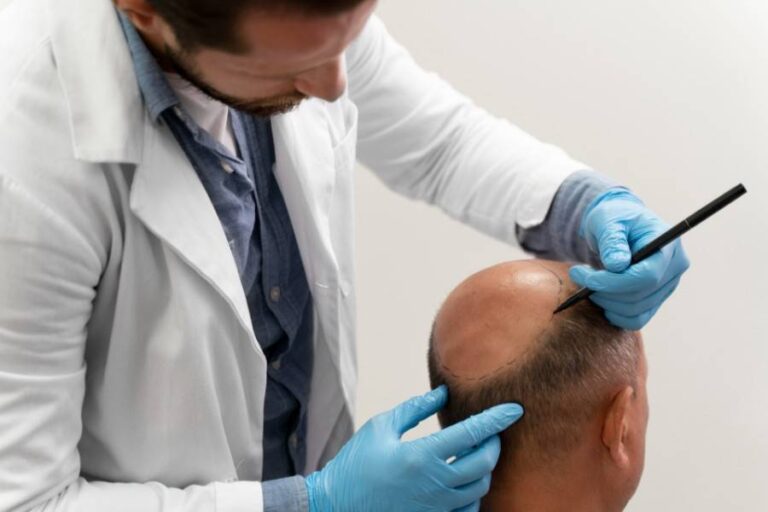
A crown hair transplant is a significant decision that can greatly impact your appearance and confidence. That’s why consulting an experienced specialist is crucial.
Here’s why expertise matters:
- Knowledge of Hair Growth Patterns: Experts understand the intricate details of hair growth, ensuring natural-looking results.
- Advanced Techniques: Procedures like FUE and FUT require precision and skill. A professional can determine the best approach for your situation.
- Post-Operative Care: Proper care is vital for the success of your transplant. Your surgeon will guide you through the recovery process to ensure optimal results.
Ultimately, choosing the right clinic and surgeon will significantly impact your satisfaction with the outcome. At Cancun Hair Restoration, we offer state-of-the-art procedures and highly skilled professionals to ensure you get the best results possible.
Contact us!
A hair transplant for the crown of your head can be a life-changing procedure, especially for those dealing with the effects of male pattern baldness or other health conditions that contribute to hair loss. By understanding the causes of hair loss, the available procedures, and the factors that influence success, you can make an informed decision about whether this treatment is right for you.
If you’re considering a crown hair transplant, don’t hesitate to reach out to Cancun Hair Restoration. Our team of experts is here to answer all your questions and help you regain your confidence with a fuller head of hair. Contact us today for a consultation!