Understanding the Shedding Effect: Why It Happens and What To Do
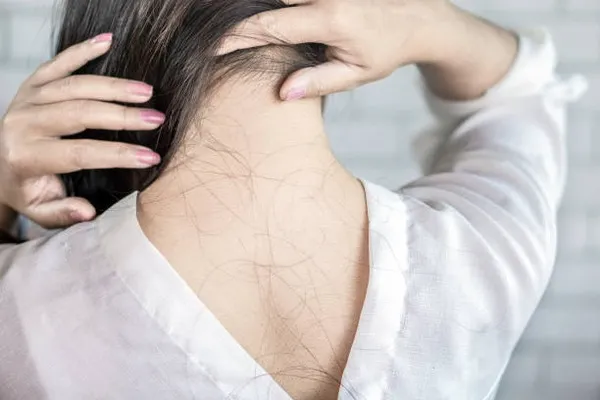
Starting a hair restoration journey can feel overwhelming, especially when you first hear about the shedding effect. Many people panic when they see more hair falling out just weeks after beginning treatment. However, the shedding effect is not always a sign that something is wrong — it’s often proof that your hair follicles are responding exactly as they should.
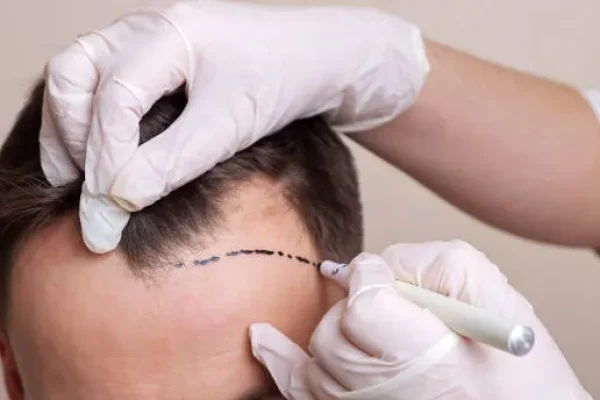
In simple terms, the shedding effect describes the temporary hair loss that happens when new growth is triggered. Whether you’re using topical solutions, planning a FUE Hair Transplant, FUT Hair Transplant, or trying PRP Treatment, understanding how the shedding effect works can help you feel calm and confident about your results.
What Causes the Shedding Effect?
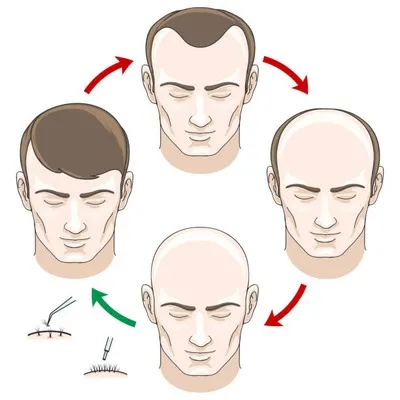
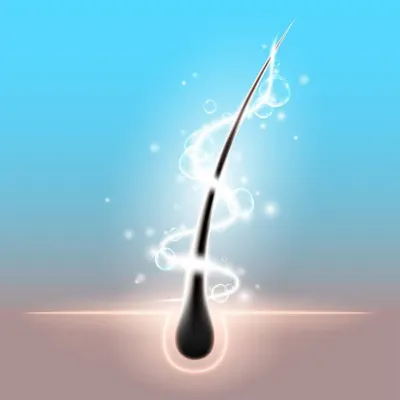
The shedding effect happens because of how the natural hair cycle works. Human hair grows in phases: the anagen phase (growth), the catagen phase (transitional), and the telogen phase (resting). Each hair strand is in a different stage at any given time.
When you start a new treatment, your scalp is stimulated to reactivate dormant follicles. This can cause old, weaker hairs to shed, making way for thicker, stronger hair to grow in its place.
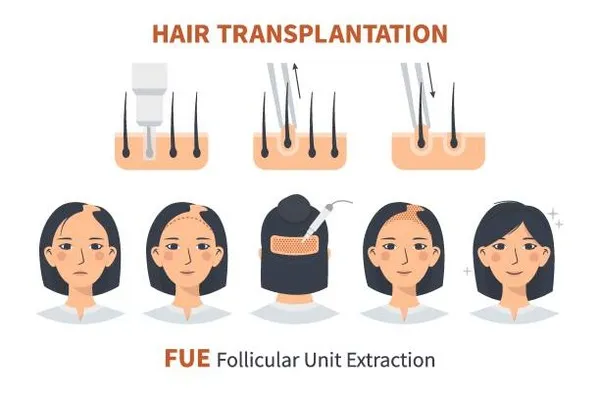
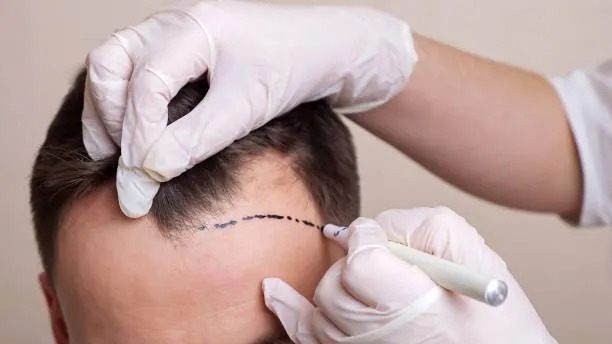
For example, if you’re getting a FUE Hair Transplant or FUT Hair Transplant, the transplanted grafts first go into a short resting phase. During this time, the original hair attached to each graft may fall out. This is normal and expected — the roots stay intact under the scalp and will produce new hairs soon.
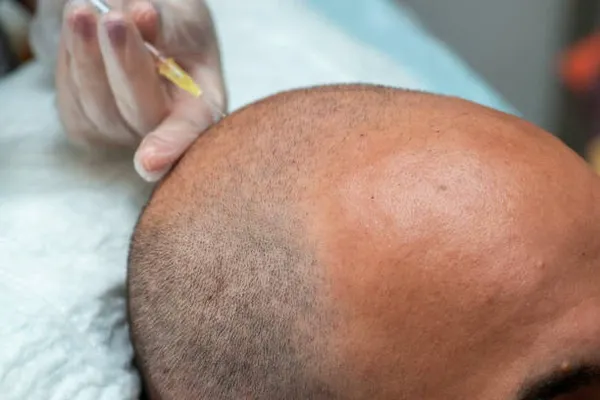
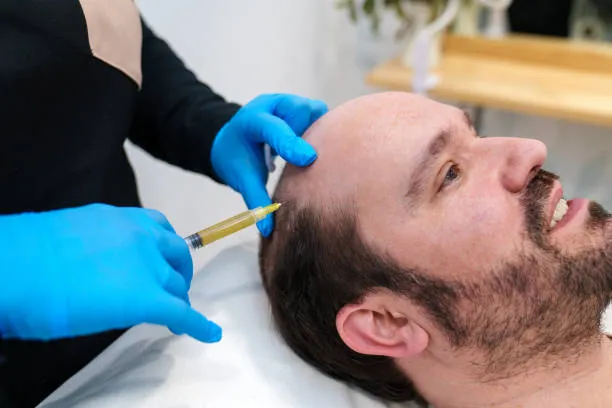
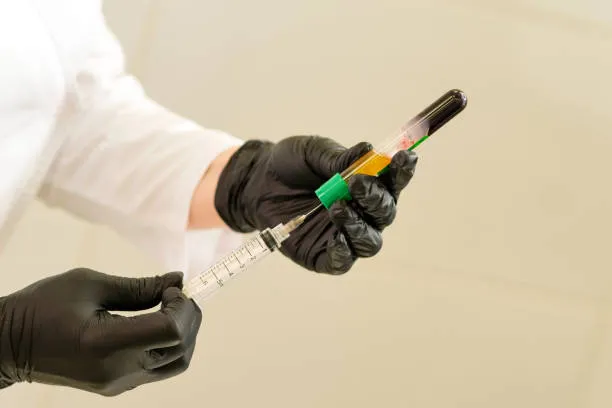
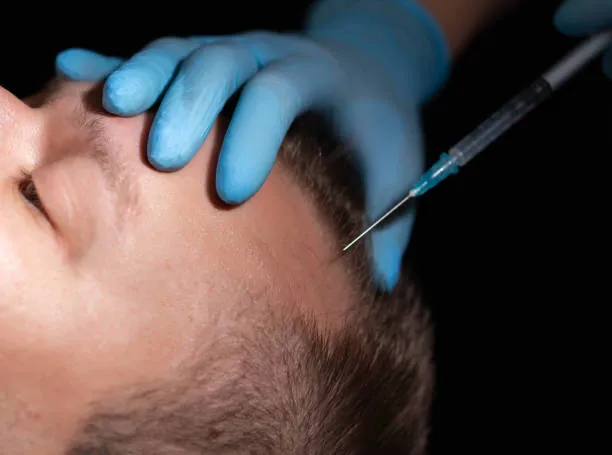
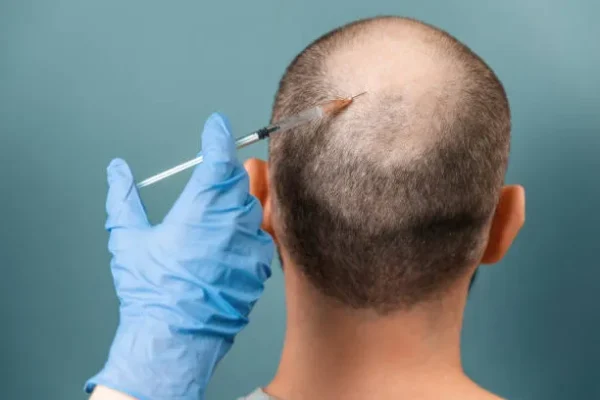
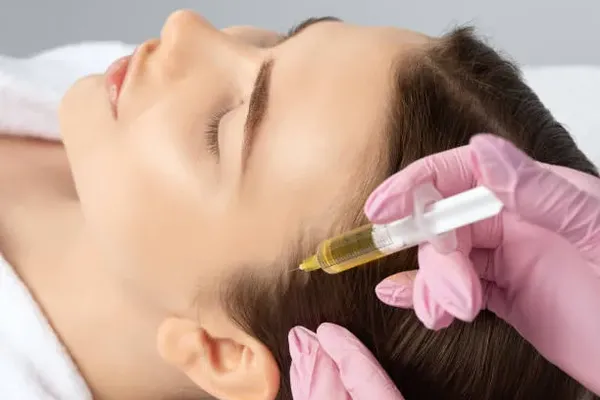
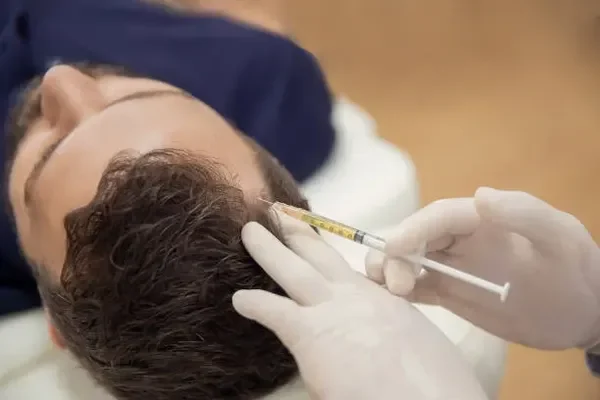
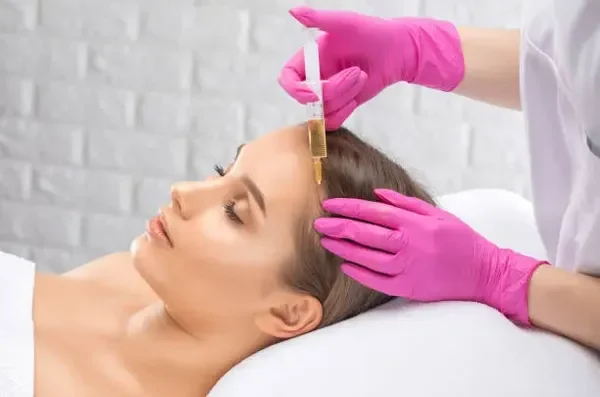
Similarly, with PRP Treatment, the injected plasma stimulates the hair follicles to push out weak strands so that new, stronger hair can grow. The shedding effect shows that the treatment is working at a deeper level.
When Is the Shedding Effect Normal?
The shedding effect is perfectly normal during the first few weeks or months after beginning hair restoration treatments. For topical solutions like minoxidil, shedding can start two to six weeks after your first use. For PRP, you may notice increased shedding about three to six weeks after your session.
If you’ve had a FUE Hair Transplant or FUT Hair Transplant, you can expect the shedding effect to happen within two to four weeks after your procedure. This is simply your scalp adjusting to the new grafts and shifting hairs into the growth phase.
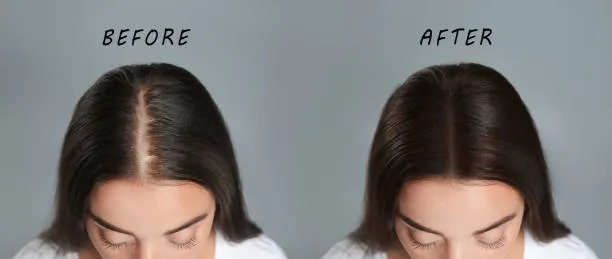
This temporary loss usually lasts a few weeks, followed by new, stronger strands growing in. Most people see visible improvement in three to six months, and full results in 9 to 12 months. Staying calm and patient is key to overcoming the shedding effect.
When Should You Worry About Shedding?

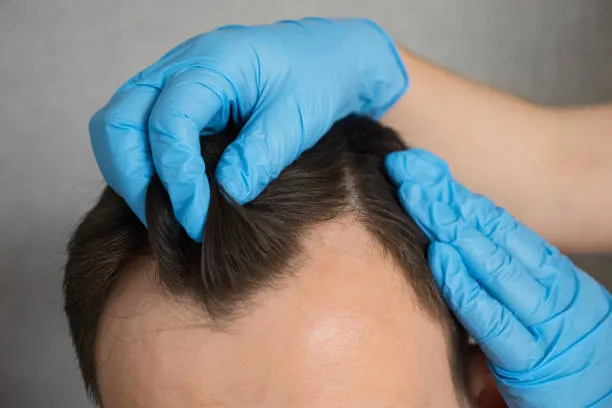
While the shedding effect is a healthy, expected part of hair restoration, not every type of hair loss is normal. If shedding continues longer than three or four months, or you notice bald patches that do not regrow hair, it could be a sign of another issue.
Keep an eye out for:
- Large bald spots appearing suddenly.
- Excessive hair loss across your entire scalp with no signs of regrowth.
- Scalp irritation, redness, or unusual flaking.
- Hair becoming thinner overall, not just in areas being treated.
In rare cases, persistent shedding may indicate an underlying condition like chronic telogen effluvium, nutritional deficiencies, or a reaction to medication. If you’re unsure whether your shedding effect is normal, talk to a trusted specialist for a professional evaluation.
How To Manage the Shedding Effect
If you’re experiencing the shedding effect, remember: it’s temporary! Stopping your treatment because of shedding is one of the biggest mistakes people make — it can actually make things worse and stop new growth from developing.
Here are some tips to manage the shedding effect with confidence:
- Stick with your treatment plan. Consistency is key for hair restoration success.
- Eat a diet rich in protein, vitamins, and minerals that nourish your hair follicles.
- Talk to your doctor about supplements like biotin or zinc if you have deficiencies.
- Use gentle hair care products and avoid harsh chemicals or strong styling agents.
- Skip excessive heat styling while new hair is growing in.
- Keep all follow-up appointments to monitor your progress and adjust your plan if needed.
- Stick with your treatment plan. Consistency is key for hair restoration success.

If you’ve recently had a transplant, carefully follow your surgeon’s post-op instructions to protect your grafts while they settle in. After PRP Treatment, protect your scalp and don’t pick at shedding hair — let nature do its job.
Remember: the shedding effect means your scalp is responding. Don’t panic — be patient and trust the process.
Is Your Shedding Effect Excessive? Let’s Talk.
If you’re seeing more hair than you expected on your brush or pillow, or you feel your shedding effect doesn’t look normal, get advice before making any changes to your treatment plan.
Cancún Hair Restoration specializes in proven hair loss treatments like FUE Hair Transplant, FUT Hair Transplant, and PRP Treatment. Our expert team will guide you through every step, including how to handle the shedding effect calmly and effectively.