scalp micropigmentation

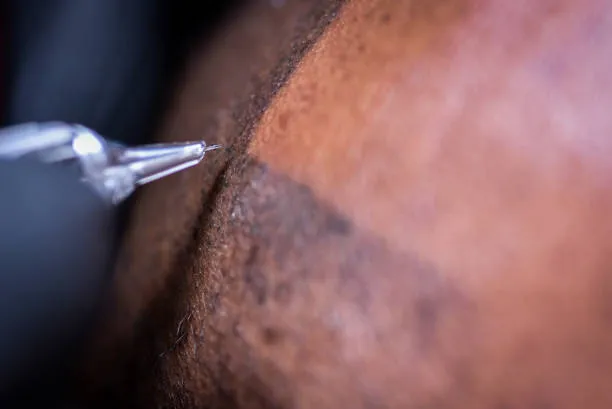
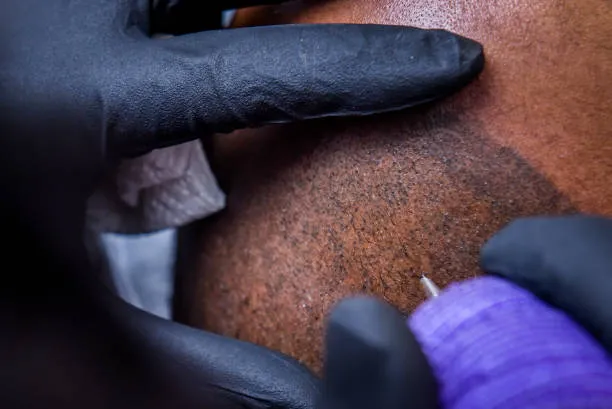
Close-up of scalp being treated with cosmetic pigmentation to simulate natural hair appearance in scalp micropigmentation.

Aesthetic and Functional Benefits of Scalp Micropigmentation

Scalp micropigmentation is an advanced hair restoration technique that offers a visually natural solution for people experiencing hair loss, weakened hair, or partial or total baldness. This non-surgical procedure creates the illusion of individual hair follicles on the areas of the scalp, providing a fuller, more defined look.

Female technician performing scalp micropigmentation on a male patient, using specialized equipment to recreate the look of hair follicles.

What is Scalp Micropigmentation?

Scalp micropigmentation involves the application of micro-pigment deposits to the surface layer of the scalp. This technique recreates the appearance of a shaved head or greater hair density, depending on the patient’s needs. Unlike hair transplant surgery, no hair follicles are implanted, but it significantly improves the aesthetic appearance of the scalp.

Aesthetic Benefits

Natural and Discreet Look

Scalp micropigmentation provides a realistic and harmonious visual appearance, especially useful for redefining the hairline and balancing facial symmetry. This treatment can create a natural finish, even to the touch, which enhances the appearance of thicker hair without being invasive.

Many patients report a significant boost in self-esteem and confidence after seeing a naturally thickened hair look. Thanks to the simulation of hair density, people suffering from baldness or thinning hair can enjoy an immediate aesthetic improvement.

This treatment can also cover visible scars from previous procedures like FUE or FUT, blending them aesthetically with the rest of the scalp. This feature is particularly useful for those who want to hide scars, creating a smoother transition between transplanted and natural hair.

In addition to creating a fuller look, scalp micropigmentation can improve the overall shape of the head, giving it a more balanced structure. For those with bald spots or receding hairlines, this technique helps to balance and enhance the aesthetic look of the scalp.

One of the highlights of scalp micropigmentation is its ability to adapt to various types of hair loss. Whether dealing with male-pattern baldness, subtle thinning, or extensive hair loss, the treatment is tailored to deliver the most natural-looking results possible.
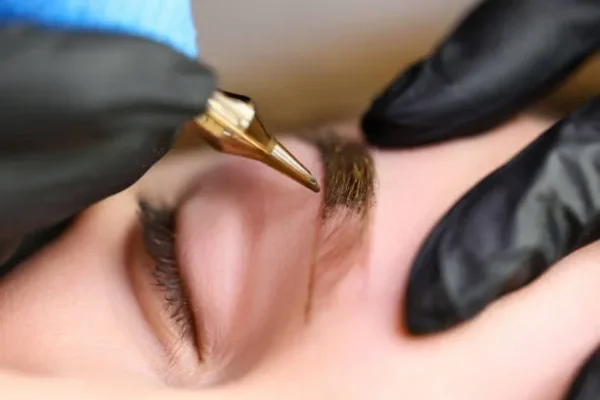
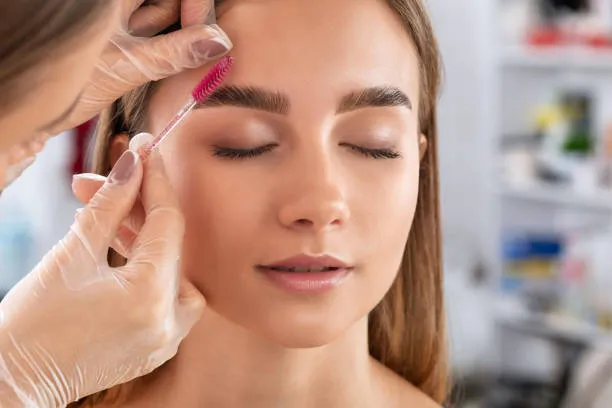
Cosmetic procedure on eyebrows involving scalp micropigmentation for restoring density and achieving a fuller natural brow look.

Functional Benefits

Quick Results

Immediate changes are visible after the first session, making scalp micropigmentation an ideal option for those seeking quick results.

No Daily Maintenance

Once the procedure is completed and the healing process is over, maintenance is minimal. There are no complicated products or routines to follow.

Complementary with Other Techniques

Scalp micropigmentation can complement procedures like hair transplants, enhancing the visual result or covering areas with less hair follicle density.

Adaptable to Different Needs

Whether it’s weakened hair or complete baldness, this technique adapts to the shape of the head, skin tone, and type of hair loss, offering a personalized solution.
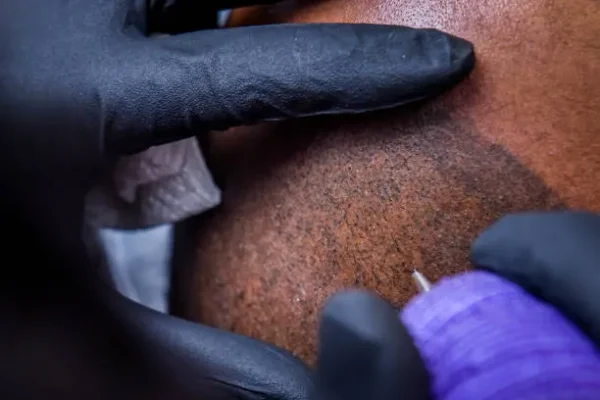
Close-up of scalp being treated with cosmetic pigmentation to simulate natural hair appearance in scalp micropigmentation.

Improve Your Image with Advanced Solutions

Scalp micropigmentation not only enhances aesthetics but also provides functional benefits for those looking to restore their image without surgery. It is an effective alternative for those seeking a modern, discreet, and professional solution.

If you want to explore other hair restoration options, you can learn more about hair transplant techniques such as:

And if you want to learn more about scalp micropigmentation, visit:
scalp micropigmentation

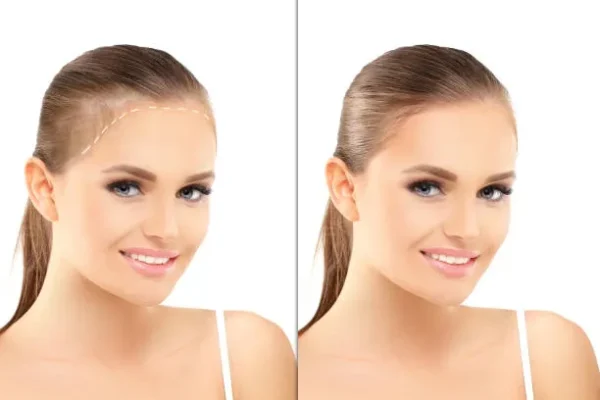
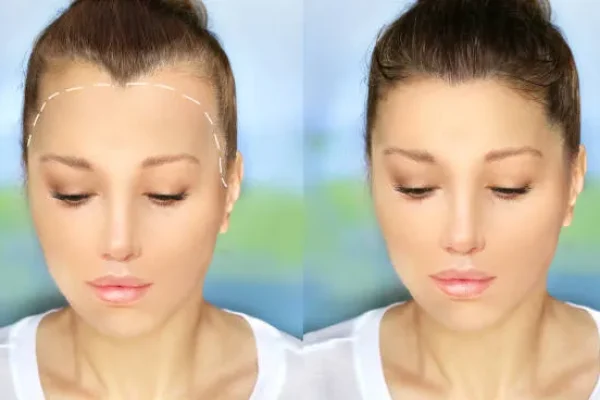
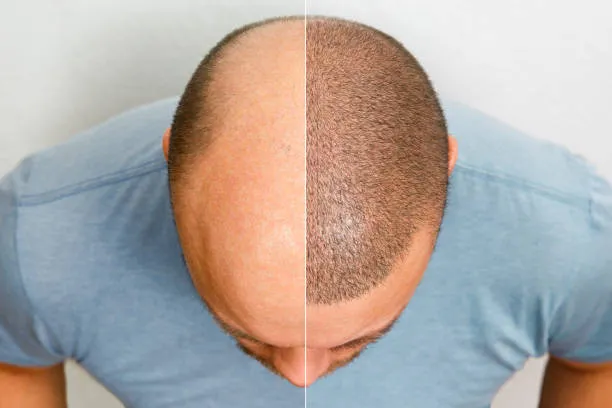
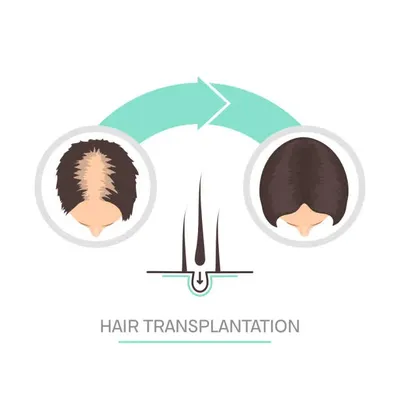
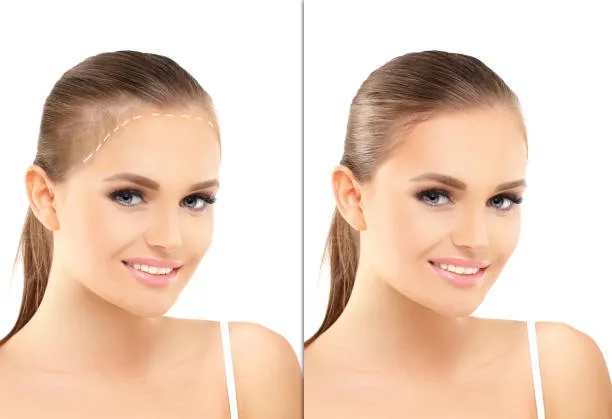
Visible improvement in the appearance of a woman’s frontal hairline, shown in a before and after scalp micropigmentation comparison.

Scalp Micropigmentation vs Hair Transplant: Which Option Fits Your Needs?

When it comes to addressing hair loss, both scalp micropigmentation and hair transplant surgery offer highly effective and advanced solutions. Choosing between them depends on your expectations, level of hair thinning, and long-term goals. In this article, we’ll explore how each method works, their benefits, and why they are both respected options in the field of hair restoration.

A trained specialist using a micropigmentation device to simulate hair follicles on the scalp of a man during a scalp micropigmentation session.

What Is Scalp Micropigmentation?

Scalp micropigmentation (SMP) is a non-invasive treatment that replicates the appearance of individual hair follicles using specialized pigments. Sometimes referred to as micro scalp pigmentation or hair tattoo, it creates the illusion of a closely shaved head or fuller hair density.

This technique is ideal for those experiencing thinning hair, male pattern baldness, or even complete baldness. It’s also a popular choice for people who want to camouflage scars from previous hair transplant surgeries or other scalp conditions.

Unlike surgical procedures, scalp micropigmentation requires no downtime, no incisions, and minimal maintenance. It delivers consistent results and works for all skin types and shades.

Understanding Hair Transplants

Hair transplant surgery involves redistributing healthy hair follicles from one part of the head (usually the back or sides) to areas affected by hair loss. The three most common techniques include:

  • FUE (Follicular Unit Extraction): Individual follicles are extracted and implanted. It’s minimally invasive and leaves no linear scar. Learn more about FUE here

  • FUT (Follicular Unit Transplantation): A strip of skin with hair is removed and then dissected into grafts. It’s suitable for those needing a large number of grafts. Read more about FUT here

  • ARTAS Robotic Transplant: A state-of-the-art robotic system performs follicle extraction with precision and speed. See how ARTAS works

Hair transplants provide natural hair regrowth and are a long-term solution. They can restore hair in areas of severe baldness and improve self-confidence significantly.

Comparing Scalp Micropigmentation and Hair Transplants

Both scalp micropigmentation and hair transplant techniques aim to enhance the appearance of the scalp and boost self-esteem. However, each serves a different purpose:

Feature

Invasiveness

Downtime

Result timeline

Maintenance

Cost

Ideal for

Scalp Micropigmentation

Non-invasive

Minimal

Immediate visual result

Low

Generally lower

Baldness, scars, thinning hair

Hair Transplant

Surgical procedure

Several days to weeks

Several months for full growth

Moderate

Varies depending on technique

Severe hair loss, natural hair regrowth

Close-up of a scalp being pigmented with tiny dots to replicate natural hair follicles through a scalp micropigmentation procedure.

Which One Should You Choose?

If you’re looking for a quick, non-surgical way to improve the appearance of your scalp, scalp micropigmentation might be your best option. It’s also ideal for blending thinning areas or camouflaging scars from past procedures.

On the other hand, if your goal is to achieve hair growth and enjoy your own healthy hair, a hair transplant may be more suitable. Especially with advances like the ARTAS system, patients are seeing more precise and natural results than ever before.

Ultimately, the choice between scalp micropigmentation and hair transplant depends on your individual needs, hair condition, and lifestyle preferences. Many even choose to combine both for the most comprehensive outcome.

Visible improvement in the appearance of a woman’s frontal hairline, shown in a before and after scalp micropigmentation comparison.

Ready to explore your options for scalp micropigmentation or hair restoration in Cancún? Visit Cancún Hair Restoration to discover specialized treatments, expert consultations, and transformative results. Whether you’re interested in SMP or advanced transplant techniques like FUE, FUT, or ARTAS, our team is here to help you feel confident again.

fut hair transplant

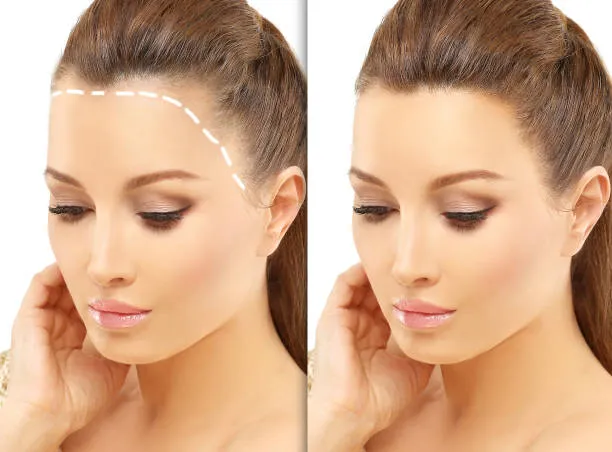
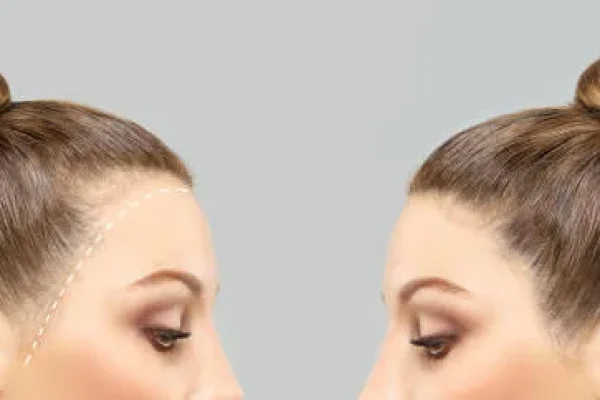
Side-by-side comparison showing a woman’s frontal hairline visibly fuller after undergoing a traditional FUT hair transplant procedure.

Post-Op Care for FUT Hair Transplant: What You Need to Know

Undergoing a FUT hair transplant is a significant step towards restoring your confidence and addressing hair loss. However, the procedure is just the beginning. Proper postoperative care is vital for healing, preventing complications, and achieving the best results. Here, we’ll walk you through the essential steps and considerations you need to follow after your FUT hair transplant surgery.

Understanding FUT Hair Transplant Surgery

Follicular Unit Transplantation (FUT) involves removing a strip of tissue from the donor area at the back of your head and transplanting individual hair follicles into the thinning or balding areas. This method allows for a large number of grafts in a single session, making it ideal for patients requiring extensive coverage.

Read more about the procedure here:

Side-by-side comparison showing a woman’s frontal hairline visibly fuller after undergoing a traditional FUT hair transplant procedure.

Immediate Postoperative Guidelines

After your FUT hair transplant surgery, following the instructions provided by your surgeon is crucial. The first 48 to 72 hours are key for successful recovery. You should:

  • Avoid touching or scratching the transplanted area.
  • Sleep with your head elevated to minimize swelling.
  • Refrain from strenuous physical activity.

Additionally, during the first few days, you may experience some discomfort or mild pain in the donor area. This is normal and can be managed with the pain medication prescribed by your doctor. It’s also important to avoid direct sunlight exposure to protect the sensitive scalp.

These steps will help protect the hair follicles and promote healing.

Washing Your Hair Safely

Proper hygiene is essential after a FUT hair transplant. Here’s how to wash your hair safely:

  • Wait at least 48 hours before your first wash.

  • Use only the recommended shampoo and follow a gentle washing technique.

  • Pat your hair dry—do not rub.

For additional washing tips, visit:

What to Expect During Recovery

It typically takes 10–14 days to heal from a FUT procedure. You may experience:

  • Scabbing in the transplanted area.

  • Numbness or tingling in the donor area.

  • Shedding of transplanted hair, which is a normal part of the hair growth cycle.

These are all normal stages of recovery, and not signs of failure. It’s important to remember that the transplanted hair will likely fall out within the first few weeks, but this is part of the natural cycle. New growth will begin soon after, as your scalp heals.

Dramatic change in hairline density shown in a woman who had sparse frontal hair before getting a FUT hair transplant.

Long-Term Care for Lasting Results

To ensure your FUT hair transplant delivers the best results, consider the following long-term care tips:

  • Maintain a healthy diet to support hair growth.

  • Keep regular follow-ups with your surgeon.

  • Avoid direct sun exposure on your scalp.

  • Do not engage in heavy physical activities for the first few months.

Maintaining a balanced lifestyle and avoiding stress can also help in promoting the overall success of the transplant. Your hair will gradually thicken, and you will notice fuller, natural-looking results over the months.

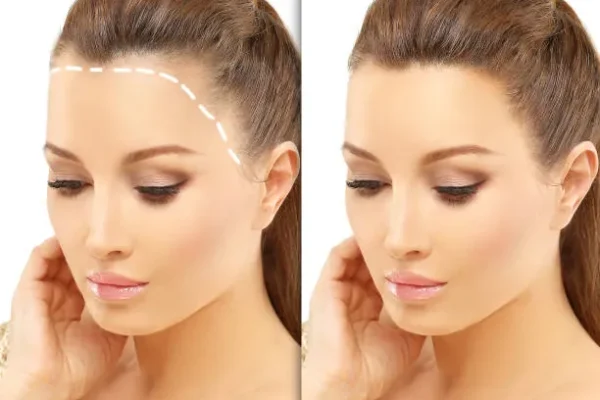
Enhanced frontal appearance in a female patient with fine hair, following a FUT hair transplant focused on frontal and temporal regions.

Who Are Ideal Candidates for FUT?

Candidates for FUT are typically individuals who have significant hair loss, good scalp laxity, and a strong donor area. Compared to follicular unit extraction (FUE), FUT is better suited for those who need extensive graft sessions.

For expert care and proven results, trust the specialists at Cancun Hair Restoration. Our team of experienced surgeons is dedicated to helping you achieve natural-looking, long-lasting results from your FUT hair transplant. Contact us today for a consultation and find out how we can help restore your hair and confidence!

Artas hair transplant

Close-up of a man's scalp showing healthy hair regrowth after undergoing an advanced robotic Artas hair transplant procedure.

Post-Op Care for ARTAS Hair Transplant

Choosing an ARTAS hair transplant is a major step toward reversing hair loss and restoring your confidence. This innovative procedure uses the ARTAS system, a cutting-edge robotic hair transplant system that delivers precision, speed, and consistency far beyond manual methods. While the surgery itself is minimally invasive, the success of your results heavily depends on proper post-op care. In this guide, we’ll walk you through the essentials to ensure optimal healing and long-term success.

Close-up of a man's scalp showing healthy hair regrowth after undergoing an advanced robotic Artas hair transplant procedure.

The First 72 Hours Are Critical

Immediately after your ARTAS robotic hair transplant, your scalp will be sensitive. It’s crucial not to touch, scratch, or pick at the transplant areas. The newly implanted hair follicle grafts are in a delicate state, and any disturbance could affect their survival.

Avoid washing your hair for the first 72 hours. Once you’re cleared to do so, use only baby shampoo and lukewarm water. Gently pour water over your head without applying pressure. You can follow detailed washing instructions in our FUE post-op care guide to prevent disrupting the grafts.

Sleep with your head elevated to reduce swelling, and use a travel pillow or two regular pillows to keep your head above heart level. This helps minimize fluid accumulation and protects the integrity of the implanted follicles.

What to Expect in the First Week

Mild swelling and redness in the donor area and recipient zones are common. These are normal parts of the healing process. Applying cold compresses to the forehead (never directly on the grafts) can help ease discomfort.

You might notice some scabbing, which is also expected. Do not attempt to remove the scabs manually. These will fall off naturally within 7–10 days as your scalp heals. Avoid wearing hats or helmets that apply pressure to the transplant areas.

Activities to Avoid After ARTAS Hair Transplant

To protect your investment and ensure your robotic hair restoration delivers the expected natural looking results, follow these restrictions:

  • No exercise or strenuous activity for 10 days

  • No swimming in pools or the ocean for at least 2 weeks

  • No sun exposure or tanning for a month

  • Avoid saunas, steam rooms, and hot showers

  • Postpone hair coloring or chemical treatments for 30 days

Following these guidelines ensures your ARTAS hair transplant integrates well and supports strong, healthy regrowth.

A medical specialist marking the scalp for follicular mapping as part of the preparatory phase in an Artas hair transplant session.
Patient receiving scalp injections during a minimally invasive Artas hair transplant process at a specialized hair restoration clinic.

Long-Term Maintenance and Recovery

Your hair transplant procedure is just the beginning. Over the following months, your new hair will go through several stages. Some shedding around the second to fourth week is entirely normal. This is part of the ARTAS procedure and should not cause concern—it’s a sign your scalp is entering the regrowth phase.

To enhance your results:

  • Use prescribed topical solutions or oral medications as recommended

  • Massage your scalp gently after the third week
  • Stay hydrated and follow a healthy diet rich in vitamins and proteins

Want to know more about long-term post-op care for other procedures? Visit our FUT post-op care page for additional insights.

The ARTAS hair transplant offers a revolutionary solution for people struggling with hair loss who want a minimally invasive, precise option with lasting results. For expert care before, during, and after your procedure in Cancún, contact Cancún Hair Restoration today and begin your journey toward full, natural hair.

Facial hair transplant

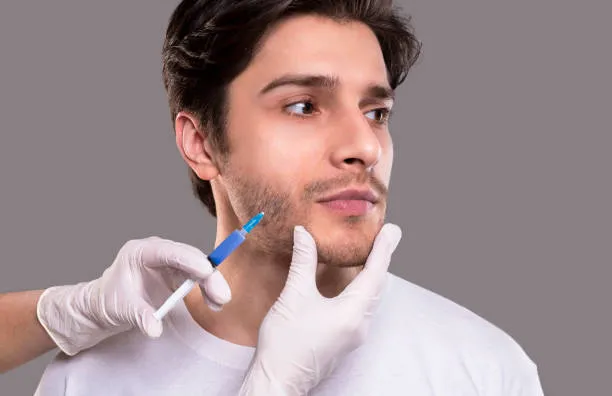
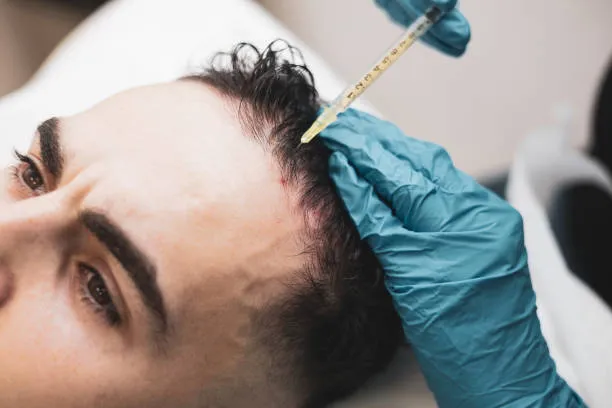
Man receiving targeted injections in his beard area during a professional procedure designed for facial hair transplant with natural results.

Facial Hair Transplant in Cancun: Aesthetic and Functional Benefits for Beards and Eyebrows

A facial hair transplant is a surgical procedure aimed at restoring or enhancing facial hair in areas such as the beard and eyebrows. This technique involves transferring hair follicles from a donor area, typically the back of the scalp, to the desired recipient areas. In Cancun, Mexico, clinics offer advanced procedures tailored to individual needs.

Man receiving targeted injections in his beard area during a professional procedure designed for facial hair transplant with natural results.

Procedure Overview

The process begins with a comprehensive consultation to assess the patient’s goals and determine the number of grafts required. Techniques like Follicular Unit Extraction (FUE) are commonly employed, wherein individual hair follicles are harvested from the donor site and meticulously implanted into the recipient sites. This method ensures minimal scarring and natural-looking results.

The procedure typically lasts between 4 to 8 hours, depending on the extent of the transplant. Local anesthesia is administered to ensure patient comfort. Post-operative care includes guidelines to promote optimal healing and hair growth.

Aesthetic and Functional Benefits

  • Natural Appearance: The transplanted beard hairs grow naturally, blending seamlessly with existing facial hair, resulting in a fuller and more defined look.


  • Permanent Solution: Unlike temporary fixes, a facial hair transplant offers a lasting solution to patchy or sparse facial hair.


  • Enhanced Confidence: Achieving the desired facial hair can significantly boost self-esteem and personal confidence.


  • Scar Coverage: For individuals with facial scars, the procedure can effectively camouflage imperfections by implanting hair over the affected areas.


  • Eyebrow Restoration: An eyebrow hair transplant can restore thin or over-plucked eyebrows, enhancing facial symmetry and expression.


  • Customizable Design: Surgeons can tailor the shape and density of the beard or eyebrows to match the patient’s preferences.


  • Minimal Downtime: Most patients can resume normal activities within a few days post-procedure.


  • Low Maintenance: Once the transplanted hair grows, it requires no special maintenance beyond regular grooming.

Post-Procedure Considerations

After the procedure, patients are advised to follow their surgeon’s guidelines, which may include:

  • Avoiding direct sunlight on the treated area.


  • Refraining from strenuous activities for a specified period.


  • Using prescribed medications to prevent infection and promote healing.


It’s normal for the transplanted hair to shed within the first few weeks, a process known as “shock loss.” New hair growth typically begins around 3 to 4 months post-procedure, with full results visible within 9 to 12 months.

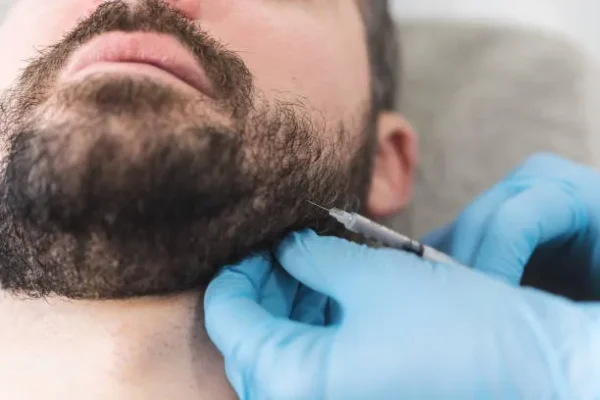
Beard being treated with a series of injections to stimulate natural growth and density through a modern facial hair transplant approach.
Woman in a consultation session where her eyebrows are examined in preparation for a facial hair transplant focused on brow restoration.

Why Choose Cancun for Facial Hair Transplantation?

Cancun has emerged as a hub for medical tourism, offering high-quality procedures at competitive prices. Clinics in Cancun provide state-of-the-art facilities and experienced surgeons specializing in facial hair transplant procedures. Patients benefit from personalized care, advanced techniques, and the opportunity to recover in a serene environment.

Take the Next Step

If you’re considering enhancing your facial aesthetics and confidence through a facial hair transplant, Cancun offers reputable clinics to help you achieve your goals. For more information on facial hair transplantation, visit Cancun Hair Restoration. To explore options for eyebrow restoration, check out their Eyebrow Hair Transplant services.

Microblading vs Eyebrow Implant: Why the Eyebrow Implant is the Superior Option

Doctor styling a woman's eyebrows while discussing the benefits of microblading vs eyebrow implant for lasting results

Microblading vs Eyebrow Implant: Why the Eyebrow Implant is the Superior Option

What is Microblading?

Microblading involves applying pigment to the skin to mimic the appearance of natural eyebrow hair. This semi-permanent procedure typically lasts 1 to 3 years and is suitable for those looking for a temporary solution. While microblading offers instant results, it doesn’t compare to the natural and permanent outcome provided by an eyebrow implant.

What is an Eyebrow Implant?

In the debate of microblading vs eyebrow implant, an eyebrow implant or eyebrow transplant involves a permanent solution where hair follicles are taken from another part of your body and transplanted into the eyebrow area. The results are natural and permanent, unlike microblading, which requires regular touch-ups. Once the procedure is done, your eyebrow hair will grow just like natural hair, offering you the flexibility to shape and style them.

Doctor styling a woman's eyebrows while discussing the benefits of microblading vs eyebrow implant for lasting results

Why Eyebrow Implant is Better Than Microblading

Close-up of stunning eyes and well-defined eyebrows, highlighting microblading vs eyebrow implant effectiveness
Permanent Solution:

One of the major differences between microblading vs eyebrow implant is that the implant is permanent. With microblading, you will need to return every 1-3 years for touch-ups, whereas with an eyebrow implant, you get permanent results that require no upkeep.

Another key point in the microblading vs eyebrow implant comparison is the look and feel of the eyebrows. An eyebrow implant uses actual hair follicles, resulting in eyebrows that grow naturally and look just like your existing eyebrow hair. On the other hand, microblading may look good at first, but the pigment can fade and appear artificial over time.

If you’re dealing with extensive hair loss or thinning eyebrows, an eyebrow transplant provides a more effective solution compared to microblading. While microblading can create the illusion of hair, it doesn’t restore actual growth in areas with no existing eyebrow hair.

When you choose an eyebrow implant over microblading, you won’t need to worry about regular visits for touch-ups. The eyebrow transplant procedure provides a long-term solution, allowing you to forget about the need for semi-annual treatments or pigment fading.

Is an Eyebrow Implant Right for You?

If you’re comparing microblading vs eyebrow implant, the eyebrow implant is the clear winner for anyone seeking permanent, natural results. Whether you’re dealing with thinning eyebrows, hair loss, or simply want a low-maintenance option, the eyebrow transplant procedure offers the best solution.

To learn more about eyebrow implants, check out our eyebrow transplant page or explore our eyebrow results page to see the stunning transformations. For further details, visit our blog.

Introduction to Hair Growth After Hair Transplant

Young man styling his hair, demonstrating the gradual process of hair growth after hair transplant with natural results Name: hair-styling-hair-growth-after-transplant

Introduction to Hair Growth After Hair Transplant

The Transplant Area and Hair Follicles Regrowth

When discussing hair growth after hair transplant, it’s important to focus on the transplant area, where hair follicles are moved to a new location. During the first few months after the procedure, the transplanted hair might shed. This is a normal part of the hair growth cycle as the follicles adjust to their new environment. However, this shedding is temporary and shouldn’t be cause for concern.

Hair Transplant Recovery and the Hair Growth Cycle

The recovery process plays a significant role in hair growth after hair transplant. Immediately following your hair transplant procedure, the area may feel tender, and some hair fall is expected. This is normal and part of the recovery process, but the growth of new hair follicles typically begins within 3-4 months. The growth rate can vary, but generally, noticeable hair growth begins after about 6 months.

By the 12-month mark, most patients see their transplanted hair fully established and thicker. However, complete results might take up to 18 months to become fully apparent. The key to optimal results is maintaining a healthy scalp and following post-transplant care guidelines provided by your surgeon.

Young man styling his hair, demonstrating the gradual process of hair growth after hair transplant with natural results Name: hair-styling-hair-growth-after-transplant
Man combing his hair, showcasing healthy and natural hair growth after hair transplant results

What Affects Hair Growth After Hair Transplant?

Several factors influence hair growth after hair transplant, including your age, genetics, and the quality of your scalp. The hair follicles that were transplanted during the surgery need to establish a strong foundation in the new area. This foundation will support the growth of healthy hair.

Additionally, your diet, lifestyle, and adherence to aftercare instructions can significantly impact the success of your hair restoration. To support healthy growth, ensure you follow any prescribed treatments and care routines to promote strong, consistent hair growth after hair transplant.

Months After Your Hair Transplant: What to Expect

As you move into the months after your hair transplant, it’s important to be patient. During the first few months, you may not see visible results, but the hair follicles are gradually taking root and starting the regrowth process. Some individuals might experience slower hair growth during the first six months, but this is typical, and the hair follicles will continue to mature.

By the end of the first year, you can expect more significant results, with transplanted hair blending naturally with your existing hair. To ensure the best possible outcome, be sure to follow all recovery guidelines and consult your surgeon if you have concerns.

Doctor applying treatment to a woman’s scalp to enhance hair growth after hair transplant and ensure long-term success

Conclusion: Achieving Optimal Hair Growth After Hair Transplant

The key to hair growth after hair transplant is patience and proper aftercare. If you’re considering a hair transplant or have already undergone the procedure, understanding the process helps you stay on track for achieving the best results. Each individual’s experience with hair transplant recovery is different, so consulting with a specialist is essential for personalized guidance. 


For more information on hair transplant results and recovery, visit:

Hair Growth After Hair Transplant: What to Expect at Each Stage | Cancun Hair

Hair Transplant Facts and Myths: What You Need to Know

Hair Transplant Facts and Myths: What You Need to Know

Permanent Results

One of the most important hair transplant facts is that the results are permanent. The hair follicles taken from the donor area, typically at the back of the head, continue to grow naturally. Once the transplanted hair starts growing, it remains for the long term, providing a long-lasting solution for hair loss.

Hair transplant procedures have significantly advanced over the years. Techniques such as Follicular Unit Extraction (FUE) allow for the extraction of individual hair follicles with minimal scarring, making it a more preferred method. This method also results in quicker recovery times compared to older methods.

One of the most significant hair transplant facts is that when done correctly, the procedure offers natural-looking results. The transplanted hair is carefully placed to mimic the natural growth pattern, ensuring the results blend seamlessly with your existing hair.

A key fact about hair transplant surgery is the quick recovery time. Most patients can return to their regular activities within a few days after the procedure. The recovery is minimal, and with proper care, the chances of complications are low.

Doctor preparing a patient's scalp to debunk common hair transplant myths and present key facts
Hair Transplants Are Only for Severe Hair Loss

A common myth is that only people with severe hair loss are suitable candidates for a hair transplant. However, individuals experiencing early-stage hair loss can also benefit from a hair transplant. The procedure can help restore hair density and prevent further thinning.

Another prevalent myth is that hair transplants are only for men. While it’s true that men often experience more noticeable hair loss, women can also benefit from hair restoration. Women with thinning hair or localized hair loss can achieve excellent results with a hair transplant.

Many people assume that hair transplant surgery is extremely painful, but with modern techniques and anesthesia, the procedure is relatively painless. Most patients experience only mild discomfort during and after the procedure, and the recovery time is short.

One of the most widespread myths is that hair transplant results look unnatural. However, when performed by a hair transplant surgeon, the procedure can offer remarkably natural-looking results. The use of FUE ensures that each follicle is transplanted precisely, resulting in a seamless blend with your existing hair.

Conclusión

Understanding the hair transplant facts and myths is essential for anyone considering the procedure. If you are thinking about getting a hair transplant, consult with a hair transplant specialist to get detailed and accurate information. Don’t let myths stop you from regaining your confidence and improving your appearance. For more information, check out the following links:

Doctor marking the scalp, illustrating essential hair transplant facts and myths for successful transplant results

Best Hair Transplant Technology: Revolutionizing Hair Restoration

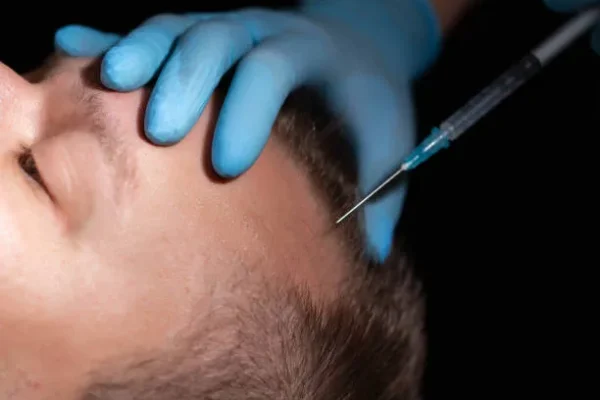
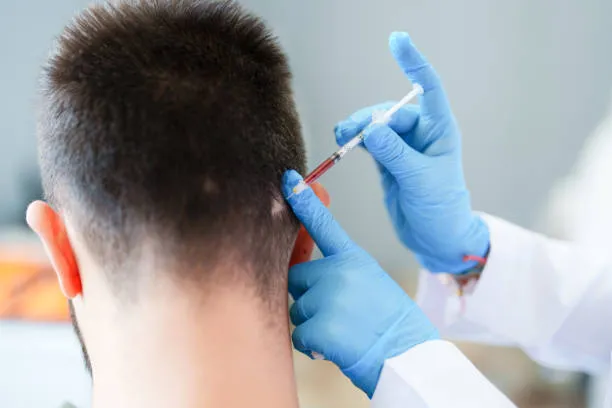
Doctor injecting a man's scalp as part of best hair transplant technology for natural and lasting hair restoration

Best Hair Transplant Technology: Revolutionizing Hair Restoration

Understanding Hair Transplant Methods

There are various hair transplant methods available today, with the most advanced being follicular unit extraction (FUE) and follicular unit transplantation (FUT). These procedures utilize the best hair transplant technology to extract and implant individual hair follicles, ensuring the most natural results possible. The choice between these methods depends on several factors, including the extent of hair loss, donor area quality, and desired hair density.

FUE vs. FUT: Which is Better?

FUE hair transplant is a minimally invasive method where individual hair follicles are extracted from the donor area and implanted into the recipient area. This method is known for its precision and minimal scarring. On the other hand, FUT hair transplant involves removing a strip of skin from the donor area, which may lead to linear scarring. Although FUE is often the preferred method due to its advanced best hair transplant technology, FUT can still be beneficial for individuals requiring a larger number of grafts.

Doctor injecting a man's scalp as part of best hair transplant technology for natural and lasting hair restoration

How Best Hair Transplant Technology Works

The best hair transplant technology focuses on precision, safety, and patient comfort. With techniques like robotic hair transplant and FUE, the surgeon can extract and implant hair follicles with greater accuracy. For example, robotic hair transplant systems like ARTAS have revolutionized the field by offering a faster and more accurate method of harvesting individual hair follicles. These systems reduce human error, leading to quicker recovery times and minimal scarring.

Hair Transplant Surgeon: A Key Factor in Success

The skill of the hair transplant surgeon plays a crucial role in the success of any procedure. A well-experienced hair transplant specialist understands the nuances of each transplant method and can determine the best approach based on individual needs. By using the best hair transplant technology, surgeons can ensure that the hair transplant procedure yields optimal natural-looking results with minimal downtime.

Donor Area and Recipient Area: Vital Considerations

The donor area refers to the section of the scalp where hair follicles are harvested. The quality of hair in the donor area plays a significant role in the overall success of the transplant. Similarly, the recipient area is where the follicles are transplanted. A skilled surgeon will strategically place the follicles to ensure that the transplanted hair grows in a natural direction, enhancing the hair density and blending seamlessly with existing hair.

Visible Scars and Linear Scarring

One of the main concerns with traditional hair transplant methods is the potential for visible scars. FUE, however, has a distinct advantage in this regard, as it minimizes the risk of visible scars compared to FUT, which can cause linear scarring. Thanks to best hair transplant technology, patients can now undergo hair restoration with a reduced risk of scarring, offering a more aesthetically pleasing outcome.

The Future of Hair Transplant Technology

As technology continues to evolve, the best hair transplant technology will undoubtedly improve, offering even better results with less invasive procedures. Transplanted hair will continue to look more natural, and the recovery process will become even faster. For those seeking a permanent solution to hair loss, investing in advanced hair transplant technology is a step toward reclaiming a confident and youthful appearance.

Explore more about the best hair transplant technology and robotic hair transplant on Cancun Hair Restoration. You can also learn about hair transplant procedures and natural looking results on our hair restoration page.

Post Op Care for a FUE Hair Transplant

Specialist injecting a man's scalp as part of post op care for FUE hair transplant to ensure optimal hair growth results

Post Op Care for a FUE Hair Transplant

Post Op Care for a FUE Hair Transplant: First Days

During the first days post op, the transplanted area is very sensitive. It is crucial to follow medical instructions to avoid complications and promote proper healing.

  • Gentle cleaning: Wash your head gently with a clean towel and use only the recommended products.
  • Use a spray bottle: A saline spray helps keep the implant area hydrated and supports the healing process.
  • Avoid touching or scratching: The implanted hairs are in a delicate phase and should not be disturbed.
  • Sleep with your head elevated: This reduces swelling and prevents direct contact with the pillow.
  • Avoid alcohol and smoking: These substances can impair blood circulation and delay healing.
  • Protect from the sun: Avoid direct sun exposure, as the recipient area is sensitive and may be damaged.
Specialist injecting a man's scalp as part of post op care for FUE hair transplant to ensure optimal hair growth results

Post Op Care for a FUE Hair Transplant: Weeks After Surgery

As the weeks post op progress, the scalp begins to heal, and hair growth continues naturally.

Detailed post-op care process for FUE hair transplant highlighting scalp and follicle preparation
  • Avoid wearing a hat: Using a hat too soon can affect circulation in the recipient area and compromise the grafts.
  • Temporary hair loss: Shedding in the implant area is normal and part of the healing process.
  • Shower care: Avoid hot water and do not let high-pressure water directly hit the transplanted area.
  • Recommended products: Use mild, sulfate-free shampoos to support hair growth.
  • Gentle massages: Consult your specialist about performing light massages in the recipient area to improve blood circulation.
  • Hydration and nutrition: Maintain a balanced diet rich in vitamins and minerals to strengthen hair follicles.

Post Op Care for a FUE Hair Transplant: Months After Surgery

By the third month, the new follicles start producing visible hair. To maximize results:

  • Follow a healthy diet to strengthen hair follicles.
  • Avoid harsh chemical treatments such as dyes or perms.
  • Consult your specialist for progress evaluation and personalized recommendations.
  • Be patient: Final results may take 6 to 12 months to become fully visible.
  • Adopt a proper hair care routine: Some cases may require topical treatments or supplements to enhance hair density and health.
Side-by-side before and after results of post op care for FUE hair transplant in a woman, highlighting successful outcomes

Hair Growth Phases After a FUE Transplant

Hair regrowth after a FUE hair transplant occurs in phases. Understanding these stages helps set realistic expectations:

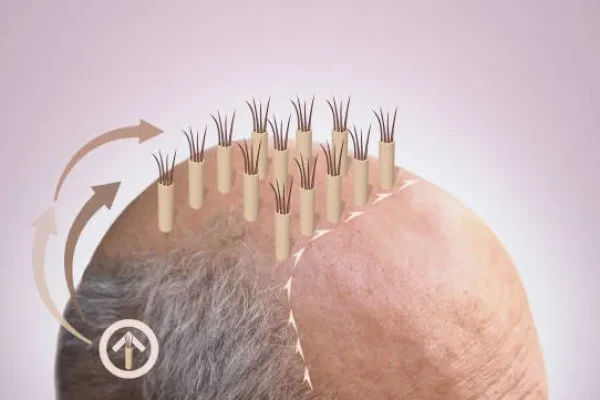
Illustration depicting a woman before and after a hair graft procedure, demonstrating the transformative effects of hair restoration.
First 1-2 Weeks: 🔄

Some shedding of transplanted hair is normal as follicles enter a resting phase.

Hair may appear thinner due to temporary shedding, a normal part of the process.

New hair starts emerging, initially fine and thin.

Hair thickens and gains density, revealing noticeable improvements.

Final results become visible with fully grown, healthy hair.

Patience is key, as full results take time, and each patient’s growth rate may vary.

A FUE hair transplant is an excellent option for those seeking effective hair restoration. By following these post-op care instructions, you can ensure a smooth recovery and achieve natural, long-lasting results. Post op care for a FUE hair transplant is crucial for the success of the procedure, and sticking to these guidelines will help you get the best outcome.

For more information on different types of hair transplants, visit: